


 English
 中文简体
中文简体 русский
Hydraulic power unit of full electric stacker
Cat:DC series hydraulic power unit
This hydraulic power unit of full electric stacker is specially designed for full electric stacker. It is integrated by a high-pressure gear pump, a D...
See DetailsContent
Choosing an HPU motor is the most important decision in specifying a hydraulic power unit. The motor drives the pump, the pump creates the flow and pressure, and every actuator in the system depends on that combination. Get the motor size and type right, and the unit runs reliably for years. Get it wrong, and you will face slow cycles, overheating, tripped breakers, and premature pump wear. This guide covers the three main motor families used in hydraulic power units, the sizing calculation behind every motor choice, and the practical maintenance checks that keep the motor alive.
In the hydraulic world, HPU stands for hydraulic power unit, and the HPU motor is the electric prime mover that rotates the pump shaft. The pump then pushes oil through valves and into cylinders or hydraulic motors. The motor, pump, oil tank, and control valves are normally assembled as one compact package, which is why buyers often use "HPU motor" to mean the complete motor-and-pump assembly rather than just the electric motor itself.
The motor sets the upper limit for both flow and pressure. Flow depends on motor speed and pump displacement; pressure depends on motor torque. Every motor choice therefore needs a calculation, not a guess. The quickest way to estimate motor size is the standard hydraulic power equation: P (kW) = Q (L/min) x p (bar) / (600 x eta), where eta is the combined efficiency of the pump and motor, normally between 0.75 and 0.85 for small gear-pump units. If your machine needs 15 L/min at 150 bar, a 5.5 kW motor is the typical answer after adding a 10 percent safety margin. To understand how that flow and pressure are converted into mechanical motion, see our explanation of the working principle of hydraulic systems.
Three motor families dominate hydraulic power unit manufacturing: AC induction motors for fixed industrial equipment, brushed DC motors for battery-powered mobile machinery, and brushless DC motors for high-cycle and noise-sensitive applications. Each type exists to match a different power source and duty profile.
AC motors run on mains power, typically 220–240V single phase or 380–415V three phase at 50 or 60 Hz. A four-pole AC motor turns at about 1450 rpm on 50 Hz; a two-pole version turns at about 2850 rpm. AC motors are robust, inexpensive and easy to repair, so they appear in most factory-installed power units: lifting platforms, dock levelers, machine-tool clamping fixtures, pipe cutters and welding machines.
Brushed DC motors run from battery voltage, usually 12V or 24V. They dominate the mobile equipment sector: truck tailboard lifts, dump trailer tilt systems, pallet stackers and mobile scissor lifts. A 24V brushed motor can draw more than 80 A under full load, so cable cross-section and DC contactor rating are part of the motor selection, not an afterthought.
Brushless DC motors replace mechanical brushes with electronic commutation. The result is higher efficiency, lower noise, less heat and a longer service life. For applications that start and stop dozens of times per hour, a brushless motor hydraulic power unit with an integrated controller and gear pump is a very practical choice.
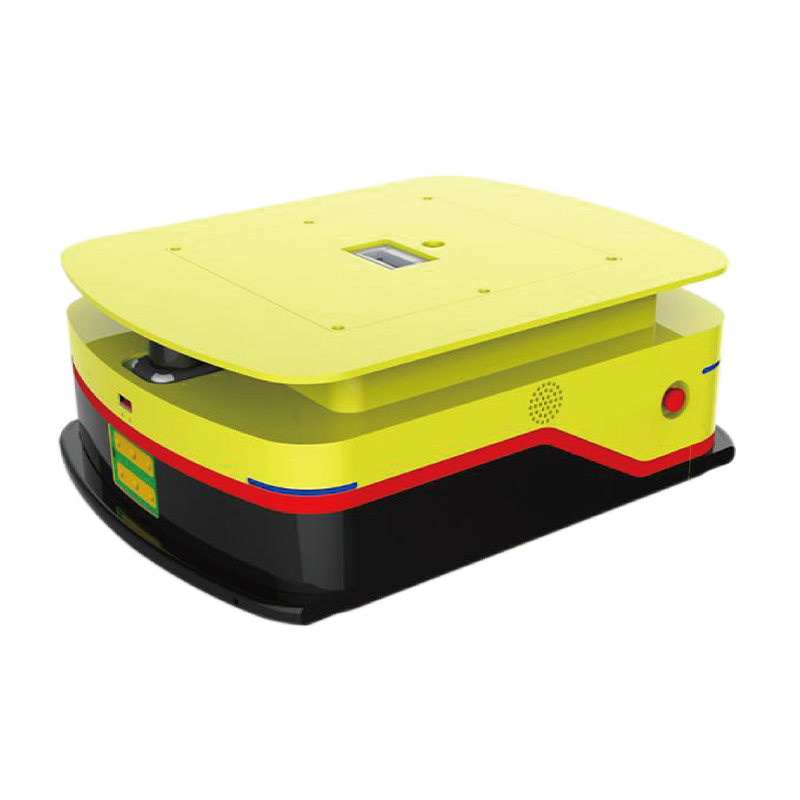 Brushless motor hydraulic power unit Manufacturers, Wholesale Factory - Ningbo PNingbo Panic Hydraulic Technology Co.,Ltd is China Brushless motor hydraulic power unit manufacturers and OEM/ODM factory, We specialize ...View Product →
| Motor type | Voltage | Typical speed | Main applications | Primary benefit |
|---|---|---|---|---|
| AC induction | 220–240V AC, 380–415V AC | 1450 / 2850 rpm | Factory lifts, machine tools, dock equipment | Low cost, long service life |
| Brushed DC | 12V / 24V DC | 1500–3500 rpm | Truck tailboards, dump trailers, stackers | Simple battery-powered control |
| Brushless DC | 24V / 48V DC with controller | 3000 rpm typical | High-cycle lifts, tailgates, quiet sites | Efficiency, low noise, brushless life |
Motor sizing starts with three numbers: the flow the system needs in litres per minute, the maximum working pressure in bar, and the combined hydraulic-mechanical efficiency. Apply the formula below, then add a 10 to 20 percent safety margin and round up to the nearest standard motor size.
P (kW) = Q (L/min) x p (bar) / (600 x eta)
Worked example: a lifting platform requires 15 L/min at 150 bar. With an efficiency of 0.8, P = 15 x 150 / (600 x 0.8) = 4.69 kW, so the next commercial size is 5.5 kW. If you add the 10 percent safety margin, the calculated value becomes 5.16 kW, which still fits the same 5.5 kW frame. This calculation method is the standard approach used by hydraulic component engineers for gear pumps and vane pumps.
Flow is the product of pump displacement, motor speed and volumetric efficiency. A 6 cc/rev gear pump driven by a 1450 rpm motor with 0.9 volumetric efficiency delivers 6 x 1450 / 1000 x 0.9 = 7.8 L/min. If you need a higher flow, you can either increase the pump displacement or raise the motor speed. Increasing displacement raises the torque required from the motor, which often moves you to the next motor frame size.
Steady-running power is only half the story. A motor that starts under full system pressure needs high breakdown torque to accelerate the pump and push cold oil through the valves. For presses, lifting platforms and tailgates, a standard induction motor may stall at start-up if the load cycle begins at maximum pressure. Either choose a motor with an enhanced starting torque class or add a pressure-unloading valve so the motor starts against low pressure.
The right motor on paper can still fail on site if the electrical supply, duty classification or environment changes. Three filters remove most of those failures.
A motor designed for 50 Hz will run 20 percent faster on a 60 Hz supply, which changes both flow and torque. A good nameplate always lists voltage, frequency, speed and service factor. If the unit is destined for export, confirm that the motor rating matches the destination grid before production starts. When a variable-frequency drive is used, the motor needs an insulation class suitable for inverter duty to avoid premature winding failure.
Electric motors receive an operating-duty classification from S1 to S10. S1 means continuous running, S3 means intermittent periodic duty, and S6 means continuous operation with intermittent load. A typical hydraulic unit that runs for 5 seconds and rests for 30 seconds can use an S3 motor with 25–40 percent on-time. A cargo lift that runs for several minutes per cycle needs an S1-rated motor or a larger S3 motor with more thermal margin.
The motor enclosure must match the installation site. Clean indoor air generally accepts an IP54 motor; dusty workshops or washdown areas require IP65. Standard motors are rated for a maximum ambient temperature of 40°C, so hot machine rooms force a derating. Noise-sensitive installations, such as a hydraulic cargo elevator beside an office or a parking garage below residential floors, benefit from an oil-immersed motor where the hydraulic fluid cools the windings and dampens vibration. In that case, a silent hydraulic power unit for cargo elevators is the proven configuration.
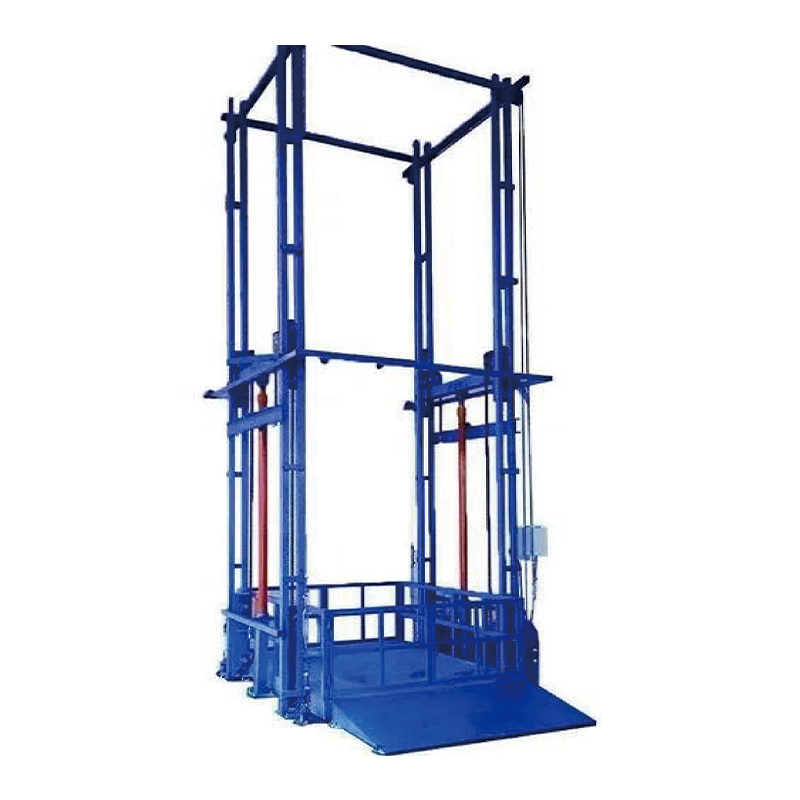 Silent power unit of hydraulic cargo elevator Manufacturers, Wholesale Factory -Ningbo Panic Hydraulic Technology Co.,Ltd is China Silent power unit of hydraulic cargo elevator manufacturers and OEM/ODM factory, We sp...View Product →
Motor priorities change with the machine. A tailgate lift values battery efficiency; a machine tool cares about pressure holding; a roadblock system needs peak torque for a short pulse. Matching the motor type to the application is more reliable than choosing a universal motor and hoping it survives.
| Application | Preferred motor | Key selection factor | Typical power range |
|---|---|---|---|
| Truck tailboards and dump trailers | 12V / 24V brushed or brushless DC | Battery capacity and duty | 1.5–3 kW |
| Mobile scissor lifts and stackers | DC or brushless DC | Quiet operation and start-stop frequency | 1.5–4 kW |
| Fixed lifting platforms and dock levelers | AC induction, 4-pole | Overload margin and S3 duty | 2.2–7.5 kW |
| Machine tool clamping and cutting | AC double-acting unit | Pressure holding and low noise | 1.1–4 kW |
| Anti-terrorism roadblocks | Oil-immersed DC or AC | Peak torque and burial depth | 2–4 kW |
For battery-powered logistics equipment, the current draw at low battery voltage is the main constraint, so the motor must be matched to the discharge curve, not just the nominal voltage. For a wider look at this category, read our guide to DC hydraulic power units for buyers.
For machine tools and other double-acting operations, an AC double-acting hydraulic power unit is a common factory layout: the motor drives the pump during clamping, a check valve holds the load, and the motor stops once the pressure switch reaches its set point. That sequence lowers energy use and keeps the workshop quiet.
 AC double acting power unit Manufacturers, Wholesale Factory - Ningbo Panic HydrNingbo Panic Hydraulic Technology Co.,Ltd is China AC double acting power unit manufacturers and OEM/ODM factory, We specialize in wholes...View Product →
Most HPU motor faults are hydraulic faults in disguise. A pump that cannot draw oil, a relief valve set too high, or cold viscous oil will overload the motor. The list below helps you find the cause quickly.
A simple maintenance schedule keeps the motor inside its rated temperature:
Once the motor-and-pump relationship is clear, hydraulic power units are relatively easy to operate compared with mechanical power systems because most operating parameters are visible on a pressure gauge and a current reading.
Most hydraulic power units use an AC induction motor for mains-powered industrial equipment, or a 12V/24V DC motor for battery-powered mobile machinery. Brushless DC motors are becoming common on high-cycle mobile units because they run quieter and need no brush replacement.
Use P = Q x p / (600 x eta). Q is the required flow in L/min, p is the maximum working pressure in bar and eta is the combined efficiency, usually 0.75–0.85. Add a 10 to 20 percent margin and select the next standard size.
Only if you also change the pump, the power supply and the control system. AC and DC motors have different speed-torque curves, so a direct replacement will almost always produce the wrong flow or insufficient starting torque.
S3 means intermittent periodic duty. The motor can run for a defined percentage of a 10-minute cycle, such as 25 percent, without exceeding the rated temperature. If your unit runs for 3 minutes out of every 10, you need at least an S3 30 percent rating.
The usual causes are a relief valve set too high, continuous operation beyond the duty rating, high oil viscosity, a blocked suction filter or an undersized motor. Measure the running current at full pressure and compare it to the full-load current on the nameplate.
For frequent start-stop cycles, quieter sites and longer service life, yes. Brushless motors are more efficient, run cooler and have no brushes to replace. The higher purchase cost is usually recovered in lower downtime.
Start with the duty cycle, not the price. Measure the average running time per cycle, the maximum pressure and the required flow. Calculate the motor power, choose the motor family that matches the power source, then check starting torque, protection grade and noise limits. If the application is a high-cycle lift or a quiet installation, choose a brushless or oil-immersed motor-and-pump package. For a standard factory machine, a 380V induction motor with an S3 rating usually delivers the lowest lifetime cost.
When you are not sure, provide the hydraulic power unit manufacturer with the flow, pressure and expected cycle time. Those three values are enough to confirm whether a 4 kW or 5.5 kW motor will do the job, and they also determine the correct coupling, tank volume and valve configuration. Servicing your unit later will be far cheaper if the motor was correctly selected on the first day.

This hydraulic power unit of full electric stacker is specially designed for full electric stacker. It is integrated by a high-pressure gear pump, a D...
See Details
This hydraulic pump station is specially designed for a self-propelled aerial work vehicle. It is composed of 2 series side inlet and side outlet gear...
See Details
This DC single acting power unit is designed for mobile hydraulic lifting platforms. It provides an efficient and reliable hydraulic power solution th...
See Details
This hydraulic power unit is designed for telescopic belt conveyors. It integrates a high-pressure gear pump, AC motor, center valve block, cartridge ...
See Details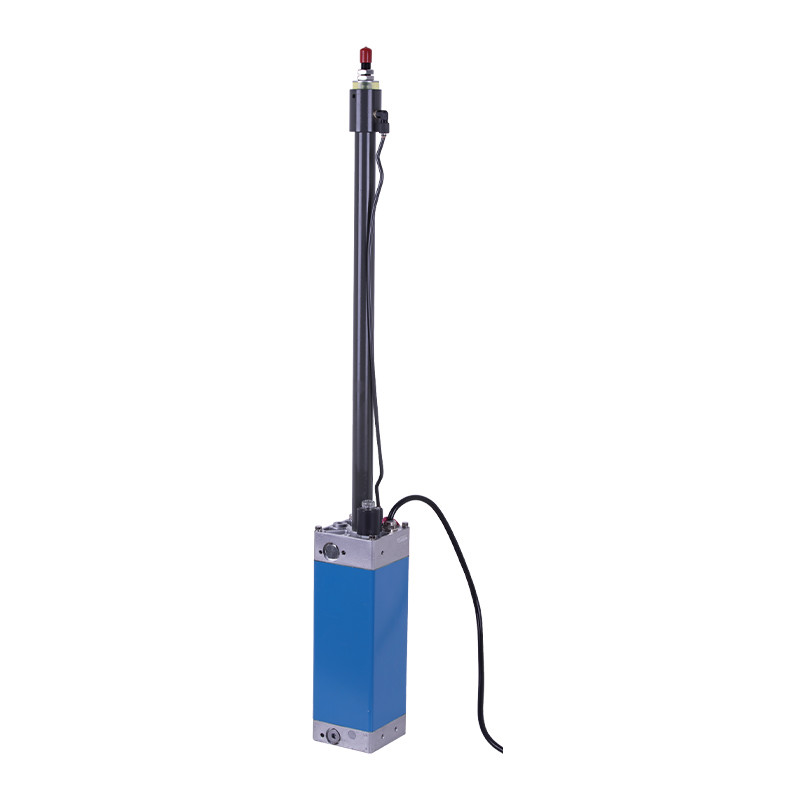
The hydraulic power unit is specially designed for the integrated hydraulic lifting column, which is integrated by a two-way gear pump, an AC Oil imme...
See Details
This hydraulic power unit is designed to meet extreme security needs, especially for critical occasions where large vehicles such as heavy trucks and ...
See Details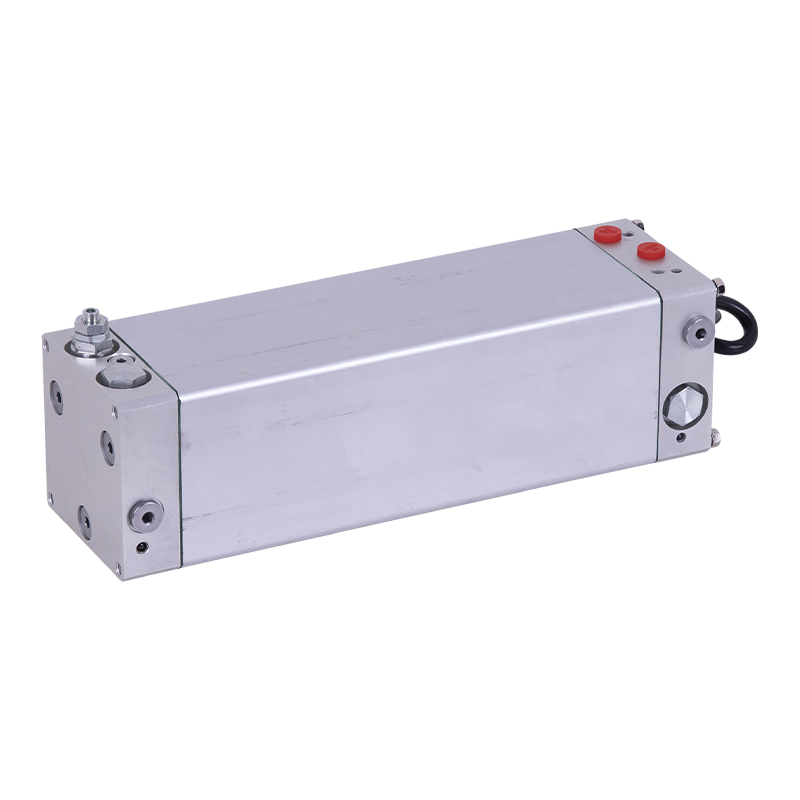
This oil immersed bidirectional pump power unit is designed for various types of mechanical equipment. It integrates a high-pressure bidirectional gea...
See Details
ET series hydraulic lifting platform valve group is specially designed for various hydraulic lifting platforms. It can accurately control the lifting ...
See Details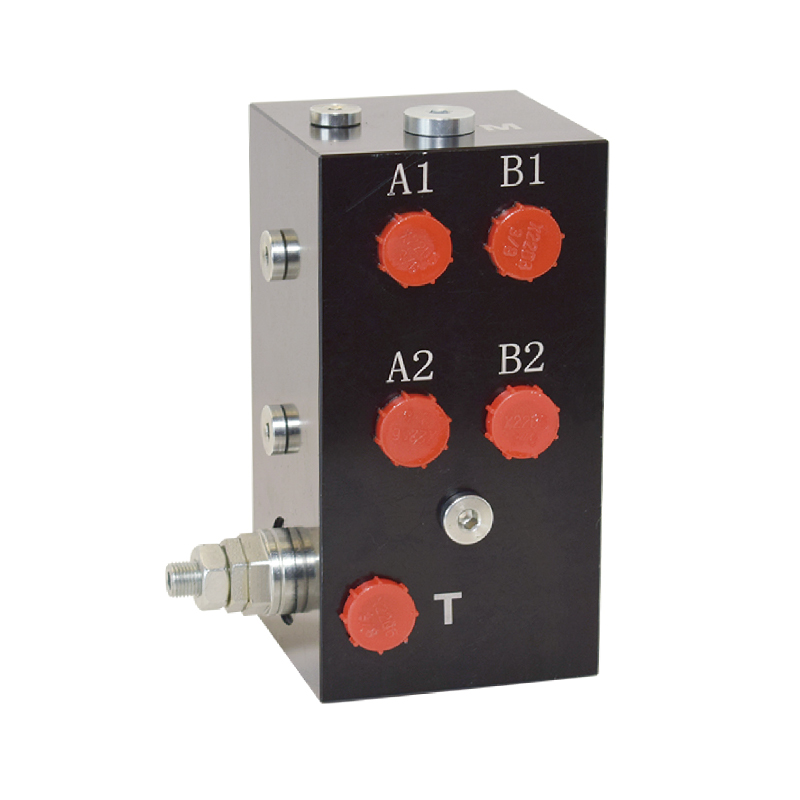
The hydraulic valve block centrally installs various hydraulic valves through the internal precision flow channel, solves the problems of bloated and ...
See Details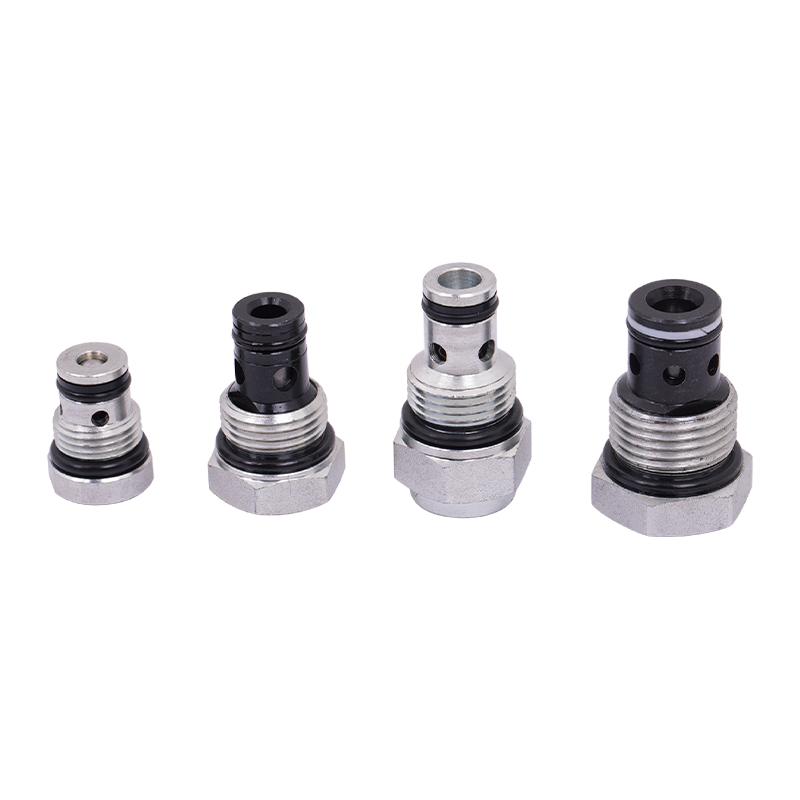
The power unit check valve (also called non-return valve) is a key component for controlling the one-way flow of fluids. It can prevent hydraulic oil,...
See Details
No. 12 Tongji Road, Simen Town, Yuyao City

+86-0574-62130352
+86-18905846028

+86-0574-62130353

Copyright© Ningbo Panic Hydraulic Technology Co., Ltd. All Rights Reserved. China Hydraulic Power Units Manufacturers

