


 English
 中文简体
中文简体 русский
Mini Pallet Truck Hydraulic Power Unit
Cat:DC series hydraulic power unit
This hydraulic power unit is specially designed for all electric pallet truck.It consists of high voltage gear pump,permanent magnet DC motor and cent...
See DetailsContent
A power unit is a self-contained system that generates, stores, and delivers pressurized fluid power to drive cylinders, motors, and other actuators. In most industrial contexts, the term refers to a hydraulic power unit (HPU) — a package combining an electric or engine-driven pump, a fluid reservoir, valves, filters, and control components into one integrated assembly. When the equipment is scaled down for tight spaces, mobile platforms, or bench-level tasks, it is commonly called a Mini Hydraulic Power Unit.
Unlike a standard hydraulic system where pump, motor, and reservoir are installed as separate components across a machine frame, a power unit bundles everything into a single, pre-tested module. This means the buyer receives one part number, one wiring diagram, and one mounting footprint instead of engineering an entire circuit from scratch.
In short: a power unit is the "engine room" of any hydraulic system, and a Mini Hydraulic Power Unit is that same engine room built small enough to fit inside a control cabinet, a mobile cart, or a compact machine base.
The term is sometimes used loosely across industries, so it helps to separate it from adjacent concepts. A hydraulic power unit is not the same as a power supply (which delivers electrical current, not fluid force), nor is it the same as a stand-alone pump (which lacks the reservoir, valving, and control logic needed to run independently). A true power unit is a complete, ready-to-run subsystem — plug it into power, connect the hoses, and it is operational.
Because the definition centers on integration rather than size, the same core idea scales from a 200-ton press station down to a hand-portable pump used for pipe bending on a job site. What changes across that range is packaging, control sophistication, and duty cycle — not the underlying principle.
Every power unit, regardless of size, shares the same basic building blocks. What changes with a Mini Hydraulic Power Unit is the scale, the housing design, and the level of integration.
A compact electric motor — typically ranging from 0.5 HP to 5 HP for mini units versus 10 HP or higher for standard industrial units — is directly coupled to a gear, vane, or piston pump. Gear pumps dominate the mini segment because they are inexpensive, tolerant of contamination, and simple to service. The motor-to-pump coupling is usually direct-drive to minimize the footprint, avoiding belts or gearboxes that would add length and maintenance points.
The reservoir stores hydraulic fluid, dissipates heat, and allows air and contaminants to separate out. Mini units often use tanks between 1 and 10 liters, compared to 40+ liters on standard units, which is why thermal management and fluid selection matter more at small scale. Baffles inside the tank are used even at small volumes to slow returning fluid and give entrained air a chance to escape before the fluid is drawn back into the pump.
Solenoid directional valves control the flow path to the actuator, while relief valves protect the system from over-pressure. In mini power units these are frequently cartridge-style valves manifolded directly onto the pump housing to save space. This manifold approach also reduces the number of external hose connections, which lowers the number of potential leak points — a meaningful advantage on equipment that vibrates or moves during operation.
Because mini systems run tighter clearances and smaller orifices, filtration becomes even more critical. A return-line filter rated at 10–25 microns is standard practice to prevent premature wear on precision components. Some designs add a suction strainer as a secondary layer of protection, particularly on units that see frequent fluid top-ups in dusty environments.
Pressure gauges, pressure switches, and increasingly, onboard sensors for IoT-based condition monitoring round out the package, allowing operators to track performance without opening the unit. On more advanced mini units, a small programmable controller can manage ramp-up, dwell time, and pressure setpoints automatically, removing the need for an operator to manually monitor a gauge during each cycle.
Because space efficiency is the entire point of a mini unit, the housing is engineered as much as any hydraulic component. Aluminum or coated steel frames are common, chosen to balance weight against rigidity, with mounting holes positioned to match standard cart, cabinet, or panel dimensions used across the target industry.
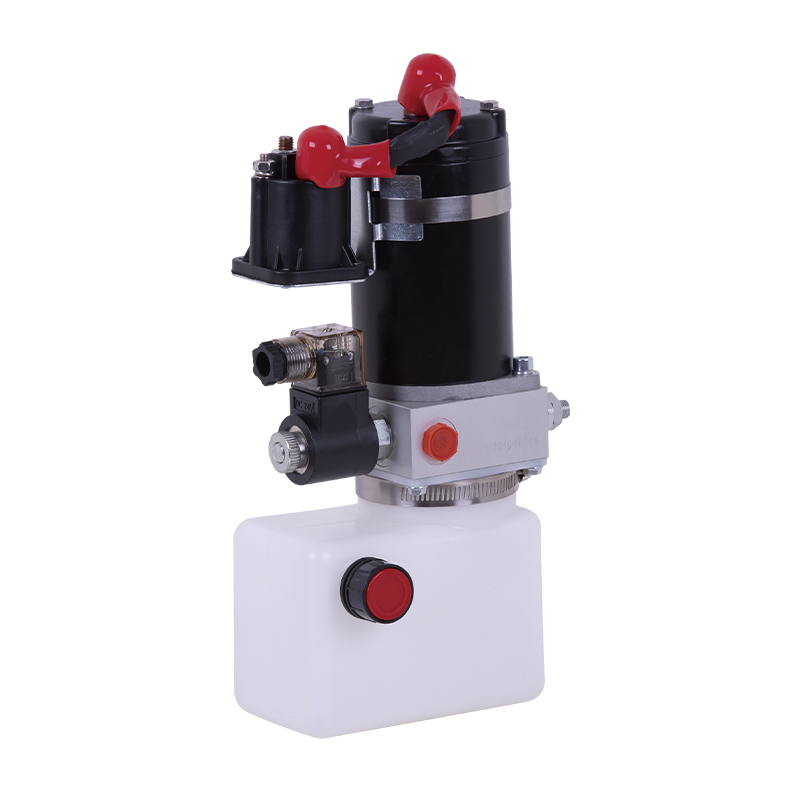
The decision between a full-size and a mini power unit comes down to force requirements, duty cycle, and available installation space. The table below summarizes the practical differences buyers evaluate most often.
| Attribute | Standard Power Unit | Mini Hydraulic Power Unit |
|---|---|---|
| Motor power | 10–100 HP | 0.5–5 HP |
| Reservoir size | 40–500 L | 1–10 L |
| Typical operating pressure | 2000–5000 PSI | 1000–3000 PSI |
| Common mounting | Floor-mounted, dedicated frame | Cart, cabinet, or bench-mounted |
| Typical duty cycle | Continuous, heavy industrial | Intermittent to light-continuous |
| Typical noise level | 75–85 dB at 1 meter | 60–72 dB at 1 meter |
| Typical unit weight | 150–800 kg | 5–40 kg |
Neither format is universally "better" — a standard power unit remains the correct choice for continuous heavy-load presses and large mobile machinery, while a Mini Hydraulic Power Unit is the correct choice whenever force is needed but the surrounding equipment, budget, or duty cycle cannot justify a full industrial installation.
The pump is the heart of any power unit, and the choice of pump type has a direct effect on cost, noise, efficiency, and pressure capability. Three designs dominate the mini segment.
| Pump Type | Typical Pressure Ceiling | Best Suited For |
|---|---|---|
| Gear pump | Up to 2,500 PSI | Cost-sensitive, general-purpose tasks |
| Vane pump | Up to 2,000 PSI | Quieter operation, moderate efficiency |
| Piston pump | Up to 5,000+ PSI | High-pressure, high-efficiency applications |
Gear pumps remain the default choice for most Mini Hydraulic Power Unit builds because they tolerate minor fluid contamination well and are inexpensive to replace. Vane pumps are chosen when noise is a concern, such as in laboratory or indoor office-adjacent settings. Piston pumps appear in higher-end mini units where pressure demands exceed what a gear pump can reliably sustain, though at a noticeably higher unit cost.
Understanding the flow path makes it easier to diagnose problems later. In a typical Mini Hydraulic Power Unit, the sequence runs as follows:
Because the plumbing distance between components is so short in a mini unit, pressure loss due to line friction is minimal — one of the practical advantages of a compact, integrated design. Shorter runs also mean fewer fittings, which in turn reduces the number of points where a seal could fail over time.
On units with proportional or servo-assisted valves, the flow path adds a feedback loop: a pressure transducer reports actual output back to the controller, which fine-tunes valve position in real time rather than relying on a fixed relief setting. This is increasingly common on mini units used in precision clamping or test-bench applications where repeatable force is more important than raw speed.
Mini Hydraulic Power Units show up wherever engineers need hydraulic force but do not have room — or budget — for a full industrial system. Common applications include:
Across these applications, the common thread is a need for high force in a small package — something electric linear actuators cannot always match at the same price point, particularly when the load is heavy but the movement is short and infrequent.
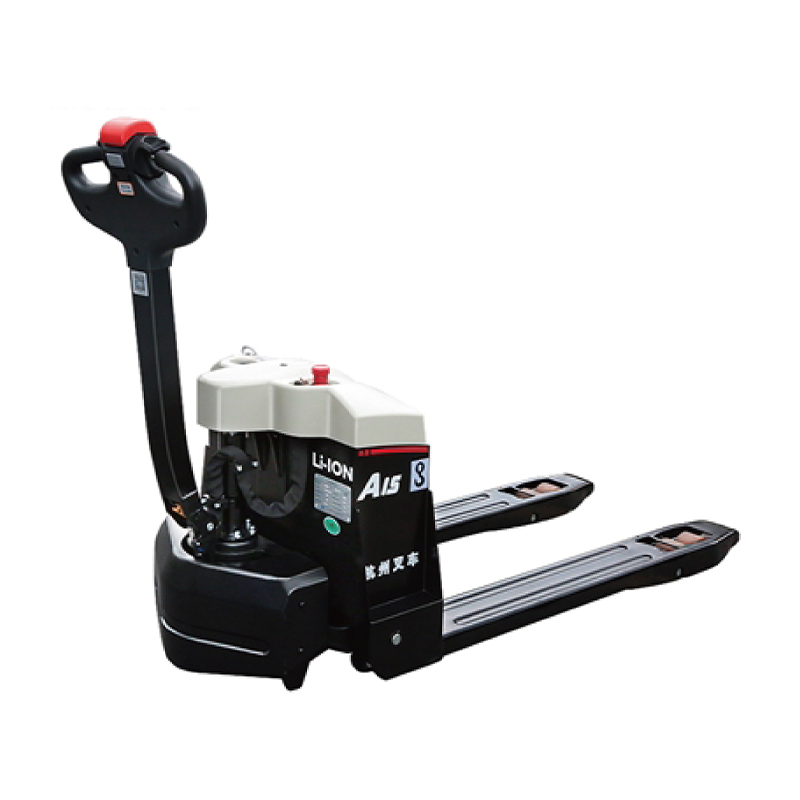
Selecting the right power unit is a matter of matching specifications to the actuator and duty cycle it will serve. Buyers should confirm the following before placing an order:
| Specification | Why It Matters |
|---|---|
| Flow rate (L/min or GPM) | Determines actuator cycle speed |
| Max working pressure | Must exceed actuator's rated load pressure with margin |
| Voltage and phase | Must match available site power (single-phase vs three-phase) |
| Duty cycle rating | Continuous vs intermittent affects motor and cooling choice |
| Mounting orientation | Vertical vs horizontal tank affects footprint and serviceability |
| Ambient temperature range | Affects fluid viscosity selection and seal material |
| Ingress protection (IP) rating | Determines suitability for washdown, outdoor, or dusty environments |
| Port thread type and size | Must match existing hose and fitting standards to avoid adapters |
Sizing calculations are often the part buyers find most intimidating, but the process follows a consistent, repeatable pattern. Consider a small lift table application requiring 2,000 kg of lifting force through a cylinder with a 40 mm bore.
This same five-step approach applies whether sizing a lift table, a small press, or a mobile hydraulic tool — only the input numbers change.
Because a Mini Hydraulic Power Unit runs a smaller fluid volume, it is generally more sensitive to contamination and heat than a large industrial system. A few habits make a measurable difference in lifespan:
Small reservoirs cycle fluid more frequently relative to their volume, so oxidation and particulate buildup happen faster. Many maintenance teams sample fluid every 500–1,000 operating hours and replace it fully on a fixed schedule rather than waiting for visible degradation.
A clogged return filter forces the relief valve to work harder and raises internal temperature. Replacing filter elements at the interval specified by the manufacturer — rather than only when a clogging indicator triggers — helps avoid unplanned downtime.
Because mini units often live in mobile or vibration-prone equipment, fittings should be checked for weeping or loosening more frequently than on a stationary industrial pump. A simple monthly visual check of every fitting and hose run catches most leaks before they become failures.
With a small fluid volume, temperature rises quickly under continuous load. Keeping fluid temperature below 60°C (140°F) in most mineral-oil-based systems helps preserve viscosity and seal integrity.
Units mounted on mobile equipment experience continual vibration, which can loosen mounting bolts and electrical connections over time. A periodic torque check on mounting hardware is a low-cost habit that prevents misalignment-related pump wear.
| Symptom | Likely Cause | Recommended Action |
|---|---|---|
| Slow cylinder movement | Low flow, worn pump, or clogged filter | Check filter, verify pump output against rated flow |
| Overheating fluid | Undersized reservoir, excessive duty cycle | Add cooling, reduce cycle frequency, or upsize tank |
| Noisy pump operation | Air in system or cavitation at suction side | Check suction strainer and fluid level, bleed air |
| Pressure fails to build | Relief valve stuck open or internal pump wear | Inspect relief valve seat, test pump volumetric efficiency |
| Erratic actuator movement | Sticking directional valve spool or electrical fault | Clean or replace valve, check coil voltage and wiring |
| Fluid leaking at fittings | Loosened connections from vibration or worn seals | Retorque fittings, replace O-rings on affected joints |
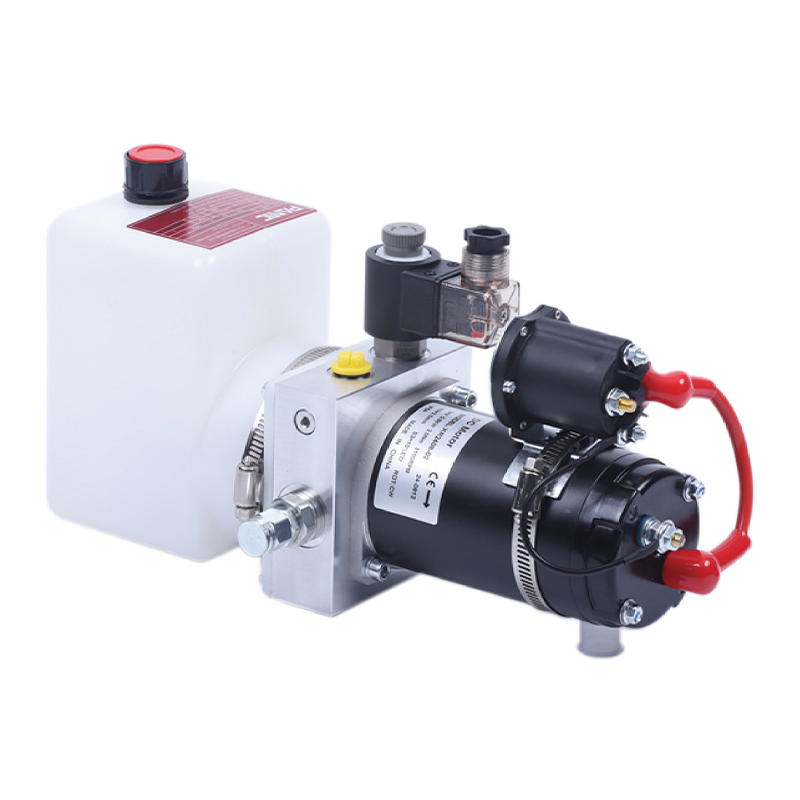
Pricing on a Mini Hydraulic Power Unit is driven by more than just motor horsepower. Buyers evaluating quotes should look at the following cost drivers side by side rather than comparing headline prices alone:
A slightly higher upfront cost on filtration, sensors, or corrosion protection is frequently recovered through lower maintenance spend over the unit's service life, particularly in harsh or mobile environments.
Even a well-built Mini Hydraulic Power Unit will underperform if it is installed poorly. A few practices consistently prevent early problems:
Follow the manufacturer's specified orientation exactly — many small reservoirs rely on gravity-fed suction, and mounting the unit at an angle can starve the pump inlet and cause cavitation.
Keep hose runs as short and straight as practical, and avoid tight bend radii that restrict flow or create stress points that fail prematurely under vibration.
Confirm the motor's voltage, phase, and current draw against the actual supply at the installation point — undersized wiring is a common cause of nuisance motor trips on newly installed units.
Fill slowly and cycle the actuator through several full strokes with no load before putting the unit into service, allowing trapped air to work its way out of the system rather than causing spongy or delayed actuator response later.
Hydraulic systems store energy under pressure, and a mini footprint does not reduce that risk. A few safety practices apply specifically to compact power units:
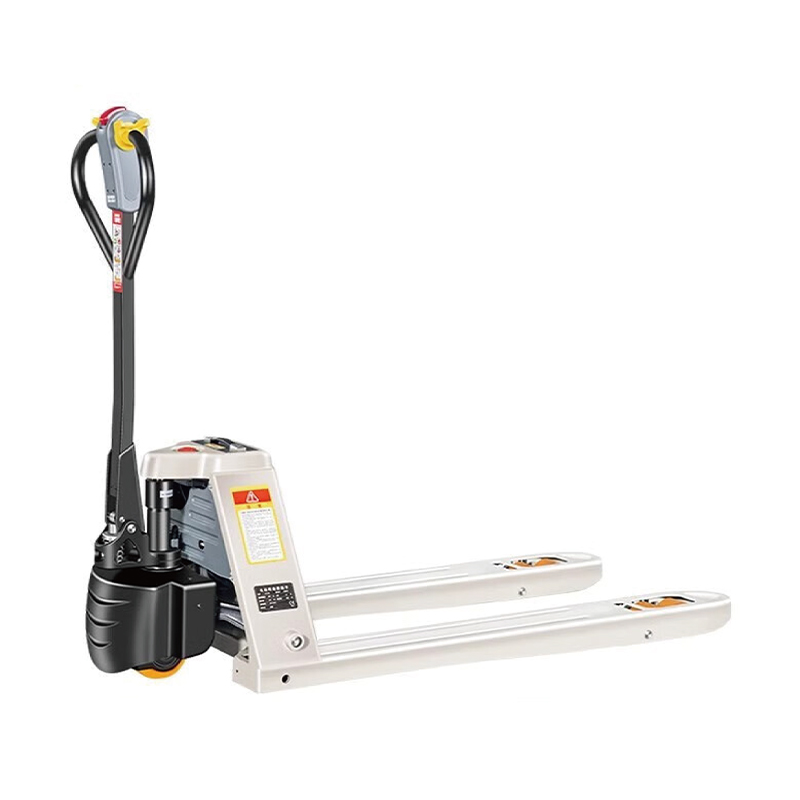
Small reservoir volumes make fluid changes on a Mini Hydraulic Power Unit relatively low-cost, but the fluid itself still requires proper handling. Used hydraulic oil should be collected and disposed of through a licensed recycler rather than discarded with general waste. For applications operating near water sources, food processing lines, or environmentally sensitive areas, biodegradable ester-based hydraulic fluids are frequently specified in place of standard mineral oil, trading a modest cost increase for reduced environmental risk in the event of a leak.
Several design shifts are visible across the current generation of compact hydraulic equipment:
Manifold integration continues to shrink the physical size of a Mini Hydraulic Power Unit while flow and pressure ratings hold steady, driven largely by demand from mobile and robotics applications where every centimeter of space counts.
Pressure and temperature sensors that once were optional add-ons are increasingly built in as default features, allowing predictive maintenance scheduling instead of reactive repairs.
Variable-speed drives paired with smaller motors are replacing fixed-speed setups in many new mini power unit designs, cutting idle energy consumption on units that only need full output intermittently.
Newer mini units increasingly favor modular cartridge valves and swappable filter housings that can be serviced without draining the entire reservoir, reducing the downtime associated with routine maintenance.
Rather than starting from motor size, most experienced buyers work backward from the actuator's requirements:
Working through these steps before contacting a supplier typically shortens the quotation cycle and avoids costly resizing after installation.
The two terms are generally used interchangeably in the hydraulics industry. "Power pack" is more common in European terminology, while "power unit" is used more broadly in North America — both describe the same integrated pump, motor, reservoir, and valve assembly.
Yes. Many mini units are designed around 12V or 24V DC motors specifically for mobile and battery-powered equipment, such as vehicle lift gates and portable tools, where AC power is not available.
With proper fluid maintenance and filtration, most units in light to moderate duty applications operate reliably for 5,000 to 10,000 hours before major component overhaul, though actual lifespan depends heavily on duty cycle and fluid cleanliness.
Fluid choice depends on operating temperature and application. General-purpose mineral hydraulic oil (ISO VG 32 or 46) covers most indoor industrial uses, while biodegradable or fire-resistant fluids are chosen for environmentally sensitive or high-temperature settings.
It depends entirely on the force and flow requirement. A mini unit can match or exceed a standard unit's pressure rating, but its lower flow output and smaller reservoir mean it is better suited to intermittent tasks rather than continuous heavy-duty operation.
A common rule of thumb is sizing the reservoir at roughly two to three times the pump's rated flow per minute, which gives the fluid enough dwell time to cool and release entrained air before recirculating.
Yes, provided the unit carries an appropriate ingress protection rating and the fluid selected suits the expected ambient temperature range. Units intended for outdoor or washdown use typically add sealed connectors and corrosion-resistant housings.
Overheating is most often caused by an undersized reservoir relative to the duty cycle, a partially clogged filter forcing fluid through the relief valve repeatedly, or operation in an ambient environment hotter than the unit was rated for.
Basic operation is straightforward, but personnel should be trained on safe depressurization procedures, fluid handling, and lockout steps before performing any maintenance, in line with the equipment's own operating manual.
Replacement intervals vary by fluid type and operating conditions, but many maintenance programs schedule a full fluid change every 1,000 to 2,000 operating hours, supplemented by periodic sampling to catch early contamination.
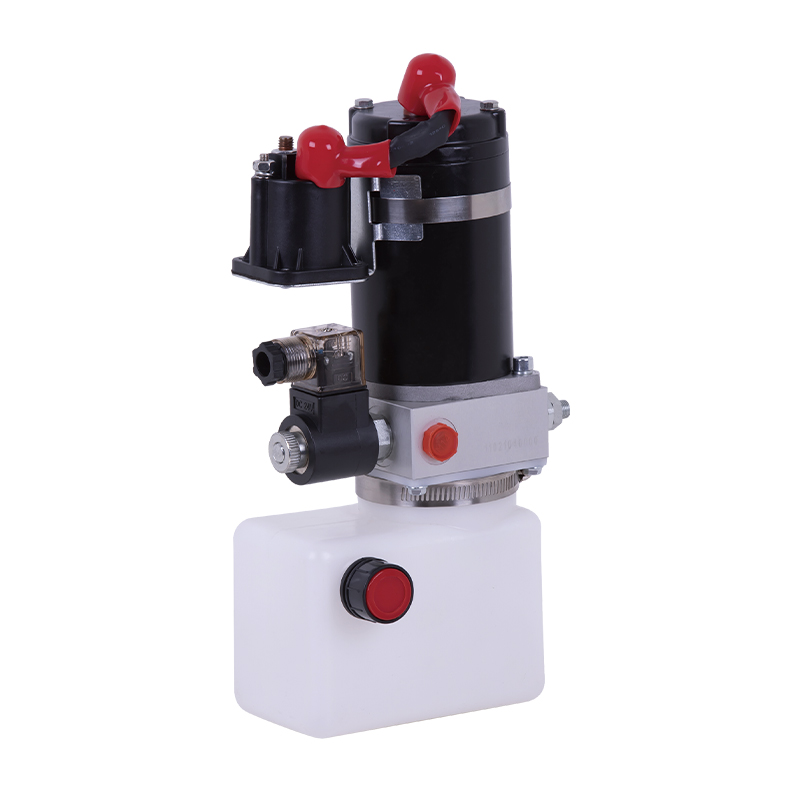
This hydraulic power unit is specially designed for all electric pallet truck.It consists of high voltage gear pump,permanent magnet DC motor and cent...
See Details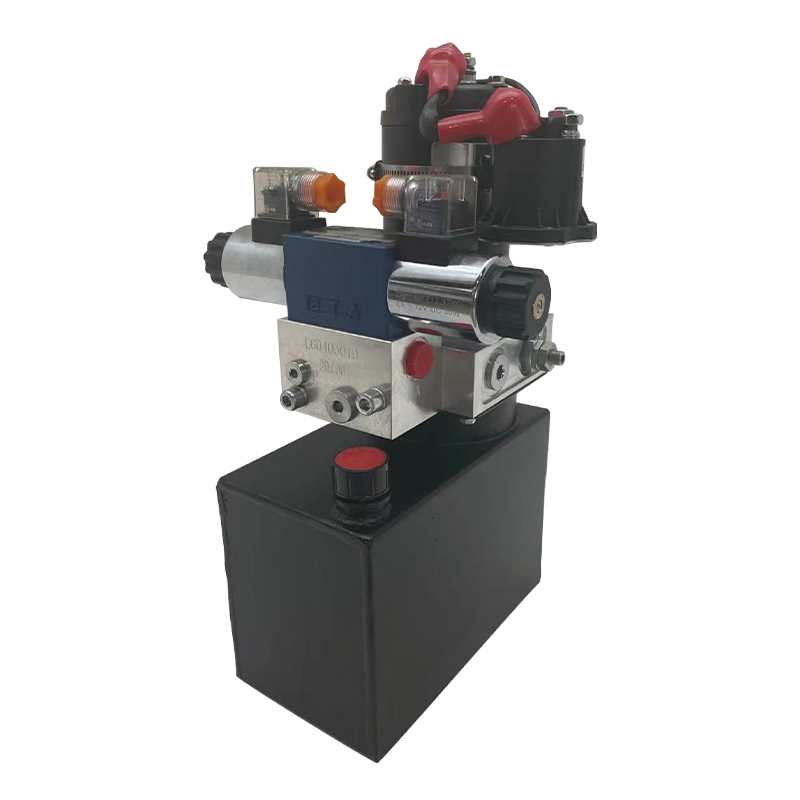
This portable stacker hydraulic power unit is designed for portable stackers and integrates a high-pressure gear pump, a permanent magnet DC motor, a ...
See Details
This hydraulic power unit is specially designed for the forward stacker. It is integrated by a high-pressure gear pump, a DC Carbon brush or brushless...
See Details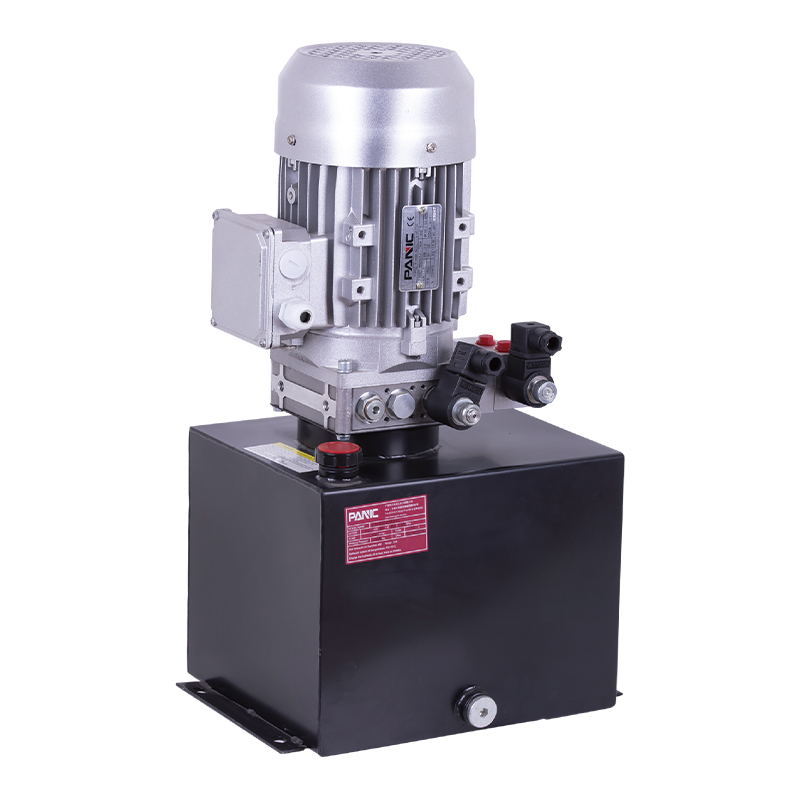
This hydraulic power unit is designed for scissor lifts and integrates a high-pressure gear pump, AC motor, center valve block, cartridge valve and oi...
See Details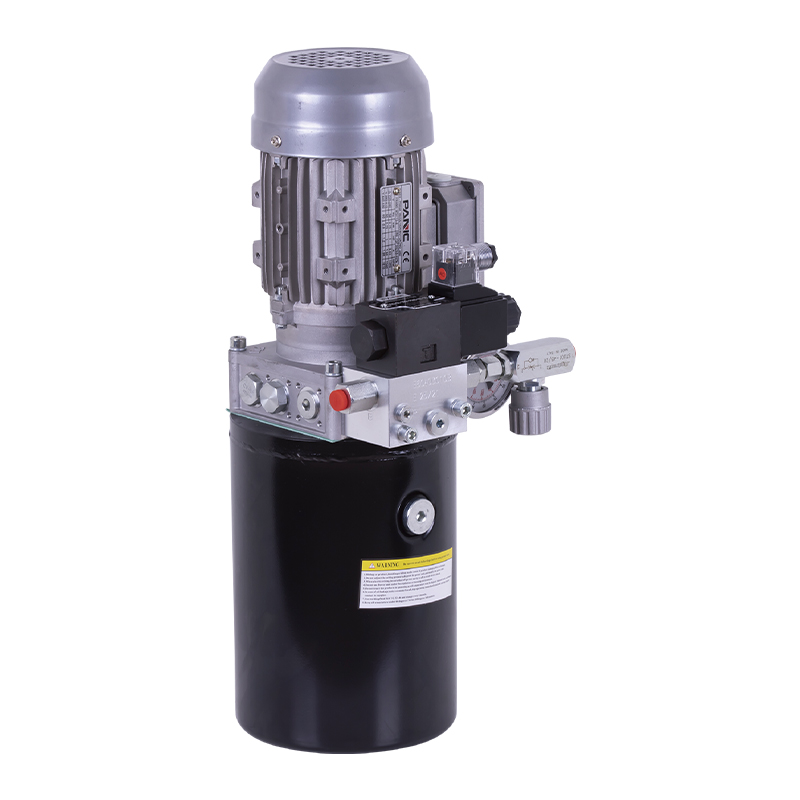
This hydraulic power unit is specially designed for the rotary feed of the pipe cutting machine. It is integrated by a high-pressure gear pump, an AC ...
See Details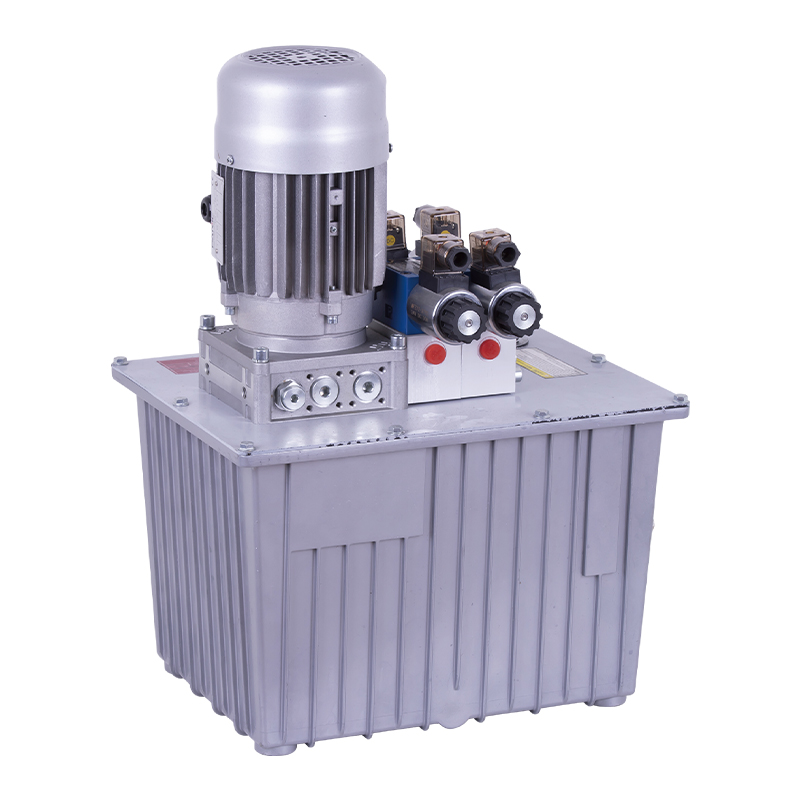
This hydraulic power unit is specially designed for a double-acting oil cylinder system, which is integrated by a high-pressure gear pump, an AC motor...
See Details
The hydraulic power unit is specially designed for the integrated hydraulic lifting column, which is integrated by a two-way gear pump, an AC oil imme...
See Details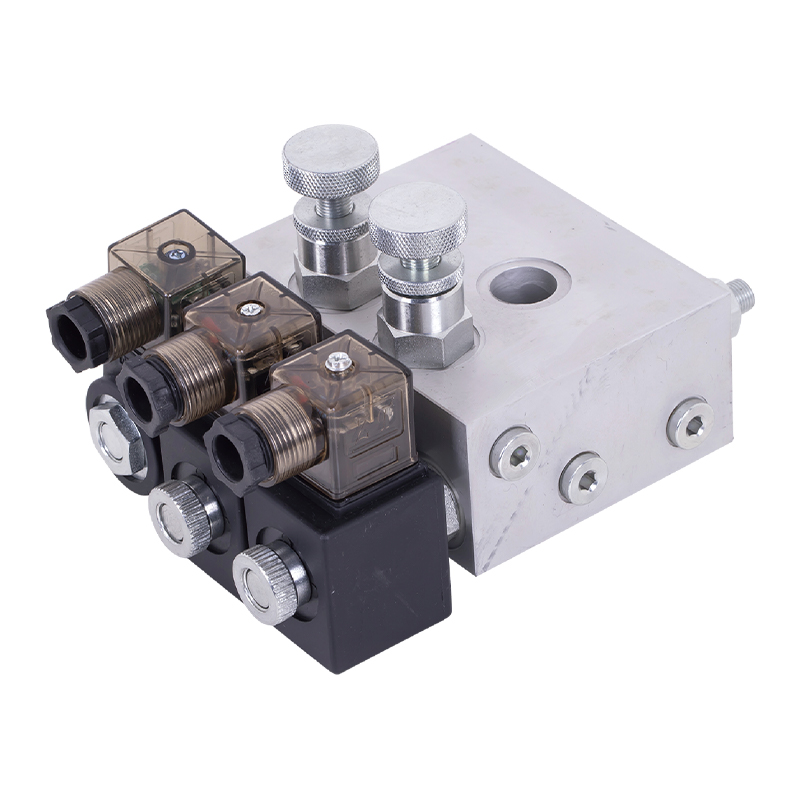
The tailgate hydraulic valve group is the core control component of the truck tailgate hydraulic system, which is designed to provide precise control ...
See Details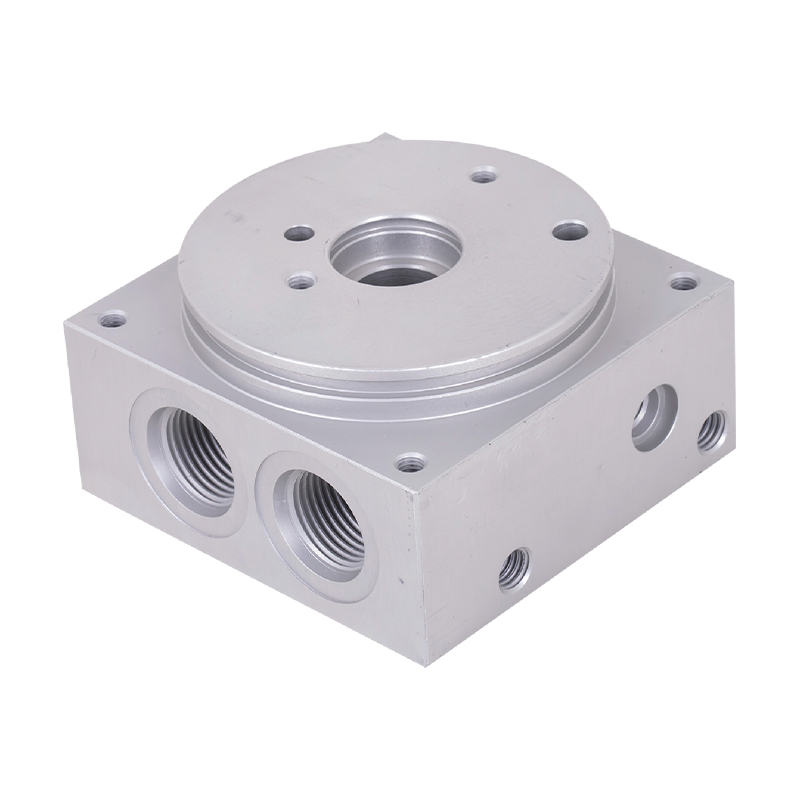
The power unit manifold block for lifting platform is the core integrated component of the hydraulic system, and plays a key role in coordinating vari...
See Details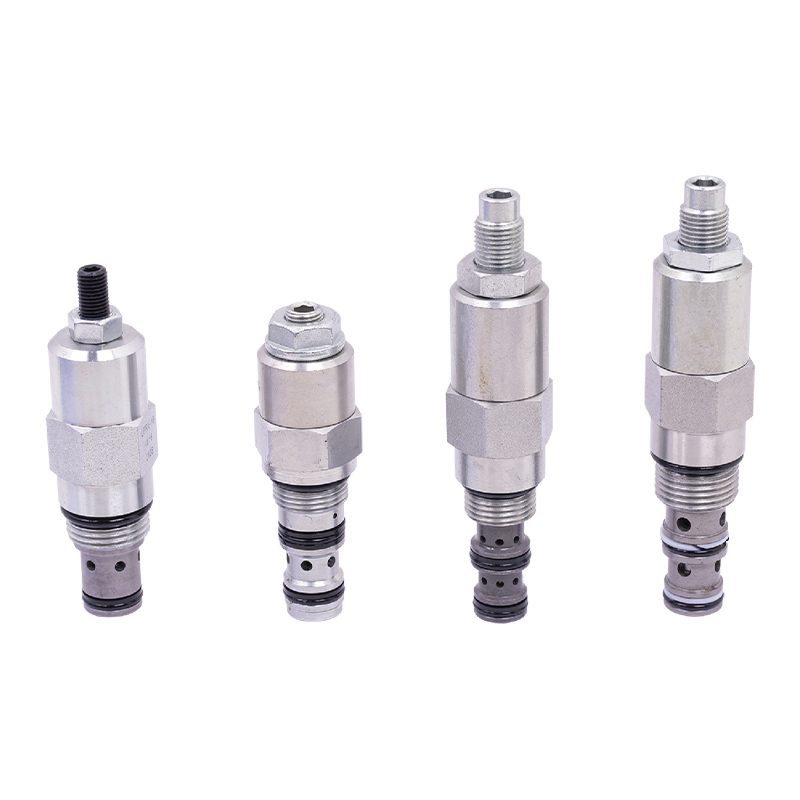
The regulating valve is a key device used in industrial control systems to adjust parameters such as fluid flow, pressure, and temperature. It can acc...
See Details
No. 12 Tongji Road, Simen Town, Yuyao City

+86-0574-62130352
+86-18905846028

+86-0574-62130353

Copyright© Ningbo Panic Hydraulic Technology Co., Ltd. All Rights Reserved. China Hydraulic Power Units Manufacturers

