


 English
 中文简体
中文简体 русский
Power unit of forward moving stacker
Cat:DC series hydraulic power unit
This hydraulic power unit is specially designed for the forward stacker. It is integrated by a high-pressure gear pump, a DC Carbon brush or brushless...
See DetailsContent
Choosing a diesel engine power unit for a hydraulic system is not simply an option between brands; it is a system-level decision about how much engine power you need, how the pump displacement matches the engine RPM, and how you manage noise and exhaust compliance. For equipment builders working on mobile machinery or remote-site equipment, the diesel-driven package remains the most reliable way to produce hydraulic pressure without relying on grid electricity. The most practical approach is to define the hydraulic flow and pressure requirements first, then reverse-calculate the engine size, and finally select a power unit design that supports the installation constraints. If you are evaluating a diesel-driven package for a hydraulic application, the intelligent decision is to ensure that the engine power does not become an afterthought but instead matches the hydraulic circuit demand from the very first specification sheet.
A diesel engine power unit, sometimes called a diesel hydraulic power pack, integrates a diesel engine with a hydraulic pump, a coupling, a fuel tank, a cooling radiator, and a control system into one skid or frame. The engine supplies mechanical power through a flywheel and coupling to the pump, which converts this rotating energy into hydraulic flow and pressure. The main difference from a standard hydraulic power unit is the prime mover: instead of an electric motor, the unit uses an internal combustion engine that can operate completely independently of the electric grid.
These units are common in equipment such as excavators, dump trucks, mobile lifting platforms, and emergency hydraulic systems. The typical assembly consists of the following components:
Unlike an electric motor which has a fixed speed and torque characteristic, a diesel engine delivers its power across a narrower RPM band. This difference shapes everything from pump selection to hydraulic system design.
The performance of a diesel hydraulic package is defined by the interaction between the engine speed and the pump displacement. Hydraulic flow is calculated with the formula Q = Vp × n / 1000, where Vp is the pump displacement in cubic centimeters per revolution and n is the engine speed in RPM. For example, if the engine runs at 1800 RPM and the pump has 60 cc/rev displacement, the theoretical flow is 108 L/min. Real-world output will be slightly lower due to volumetric efficiency, typically 90–95% for a gear pump and 93–98% for a piston pump.
To determine the required engine power, use the formula P = p × Q / (600 × η), where p is pressure in bar, Q is flow in L/min, and η is the combined efficiency. At 200 bar and 100 L/min with a combined efficiency of 0.85, the required engine output is about 39 kW, which means you should specify at least a 40 kW diesel engine. The same principle applies when you scale down: a small tailboard lift requiring 60 bar at 30 L/min needs only about 3.5 kW, so a compact 10–15 kW engine provides ample reserve.
The relationship between the hydraulic circuit and the engine is explained in detail in our article on the working principle of hydraulic systems. Understanding this link helps you avoid the common mistake of buying a powerful engine that delivers more flow than the pump can accept, or a pump that hydraulically stalls the engine during heavy load.
One critical aspect to remember is the engine torque reserve. At maximum system pressure, the diesel engine must still be able to reach its rated speed. If the engine falls below about 1200 RPM under load, it will produce less power and the hydraulic flow will drop, causing the cycle time to lengthen. That is why a well-designed diesel-engine-driven power unit always includes a torque converter or an appropriate gear reduction, especially for high-displacement piston pumps.
Before placing a purchase order, check the following parameters. These eight values define whether the unit will perform as expected in your specific machine.
| Parameter | Unit | Typical Range | Selection Impact |
|---|---|---|---|
| Engine power | kW | 15–200 kW | Directly determines maximum flow capacity and pressure capability. |
| Pump flow | L/min | 30–200 L/min | Sets the speed of hydraulic cylinders or motors. |
| System pressure | bar | 150–350 bar | Higher pressure allows smaller cylinders but requires stronger components. |
| Tank capacity | L | 60–500 L | Affects heat dissipation and oil life; larger tanks run cooler. |
| Noise level | dB(A) | 75–100 dB(A) | Critical for urban or indoor applications; below 75 dB(A) usually needs enclosure. |
| Engine speed | RPM | 1500–2200 RPM | Must match pump speed rating to avoid cavitation or overspeed. |
| Emissions standard | Tier / Stage | Tier 4 / Stage V | Depends on local regulations and project location. |
| Cooling method | - | Water / air | Air-cooled is simpler; water-cooled handles continuous duty better. |
Engine power is the first decision point. If you only need a small hydraulic cylinder to operate a tailgate or a small lifting platform, a 15–20 kW diesel engine is sufficient. For multi-function machines with multiple actuators working simultaneously, you should plan for 50–100 kW or more.
The hydraulic pump displacement should be selected to match the usable engine speed range. A pump that is too large will stall the engine or create cavitation; a pump that is too small will not produce enough cycle time. System pressure is determined by the maximum load the cylinders need to overcome. If your machine operates at pressures above 250 bar, piston pumps are usually a better choice than gear pumps, because piston pumps can handle higher pressures and provide better efficiency.
Tank capacity affects heat dissipation. A good rule of thumb is to choose a tank volume equal to 1–2 times the pump flow per minute. For an 80 L/min pump, a 100–160 L tank is typical. Noise is a major concern for diesel-driven hydraulic units operating near pedestrians or in urban environments. A standard diesel power unit without a soundproof enclosure can produce 90–100 dB(A) at one meter. If you need quieter operation, consider a low-noise enclosure or an oil-immersed power unit design that reduces hydraulic pump noise. For guidance on picking the right electric or diesel-driven hydraulic unit for your application, our DC hydraulic power unit selection guide covers the complementary decision process for battery-powered and engine-driven systems.
Diesel engine power units and their hydraulic counterparts serve many fields where independence from the electrical grid is essential or where the equipment itself moves from site to site. The following list covers the most typical installations:
 Single-Acting Hydraulic Power Unit for Dump TrailersThis compact unit combines a gear pump, DC motor, and valve block for reliable lifting. It offers optional flow control and tank materials to suit various trailer applications.View Product →
For each application, the hydraulic power unit must be sized to work within the engine duty cycle. When a dump trailer runs its hydraulic cylinder, the pump demand is intermittent and can usually share the engine with the vehicle drive. In contrast, a mobile lifting platform may run continuously for long periods, so heat buildup and fuel burn become more important. That is why the same diesel engine that powers the chassis drive can also serve the hydraulic pump through a PTO shaft or a separate hydraulic power pack.
 Permanent Magnet Motor Hydraulic Power Unit for Mobile LiftsDesigned for portable lifting tables, this unit features a high-pressure gear pump and pressure-compensated throttle valve for smooth, controlled descent. Available in multiple motor sizes and voltages.View Product →
For equipment that must stay quiet, such as hydraulic cargo elevators or parking garage systems, an oil-immersed design is preferred over an open-frame diesel power unit. The oil bath absorbs pump ripple and reduces vibration, and when combined with an enclosed canopy, the overall noise can be kept below 70 dB(A) at one meter, which is suitable for residential or commercial surroundings.
Cost of a diesel engine power unit falls into three segments: capital cost, fuel and oil cost, and maintenance cost. A small 20 kW diesel-driven hydraulic unit can cost roughly USD 5,000–10,000, while a high-power 100 kW package with soundproofing can reach USD 50,000 or more.
Fuel economics depend on load factor. A diesel engine has a specific fuel consumption of about 200–240 g/kWh at full load. If your unit runs at 40 kW average load for 8 hours, you will consume approximately 64–77 liters of diesel per day. At a typical fuel price of USD 1.1–1.3 per liter, the daily fuel cost falls between USD 70 and USD 100. Hydraulic oil is an additional operating cost that is often overlooked. A hydraulic power unit of 100 L capacity will need periodic oil replacement around every 2,000–4,000 hours, depending on contamination and duty.
Maintenance intervals for the diesel engine are typically 250–500 hours for oil and filter changes, 1,000–2,000 hours for fuel filters, and 10,000–20,000 hours for major overhauls. The hydraulic system itself requires cleanliness. A blocked return-line filter is one of the most frequent failure modes after a hydraulic pump failure. Keeping the breather air filter on the tank clean is a simple but high-impact maintenance step.
For operations where noise or energy consumption is the deciding factor, an energy-saving hydraulic power unit with a variable-speed pump or a load-sensing control can cut fuel burn by 20–30% compared with a fixed-displacement pump system. This is especially relevant for applications that run for extended hours without the ability to shut down the engine.
The choice between a diesel-driven system and an all-electric system often comes down to whether your machinery is stationary or mobile. The following comparison summarizes the main trade-offs.
| Dimension | Diesel-Driven | Electric-Driven |
|---|---|---|
| Power source | Diesel fuel; independent of grid | Battery or AC mains |
| Initial cost for 40 kW class | Approximately USD 8,000–15,000 | Approximately USD 12,000–25,000 |
| Running cost per hour | Fuel plus oil; high at partial load | Electricity plus battery wear; low for fixed stations |
| Noise | 80–100 dB(A) unenclosed | 60–75 dB(A) typical |
| Maintenance burden | Engine oil, filters, injectors, glow plugs | Motor bearings, inverter electronics |
| Best fit | Mobile, remote, or high-torque intermittent duty | Indoor, quiet, or continuous fixed operations |
If your machine travels between job sites and cannot depend on a connection to the grid, the diesel option is often the only practical choice. If the equipment sits in a factory hall or a warehouse, an electric motor or a quiet oil-immersed hydraulic unit offers lower noise and zero exhaust. For a mixed environment, some equipment builders combine a diesel engine with an electric motor to run the pump, giving the best of both worlds: fuel independence for travel and clean city operation for indoor loading.
Integrating a diesel engine with a hydraulic power unit is a technical task that requires attention to several details. The most common mistakes are rough pump selection, incorrect coupling alignment, and undersized oil tank. Work through these items step by step:
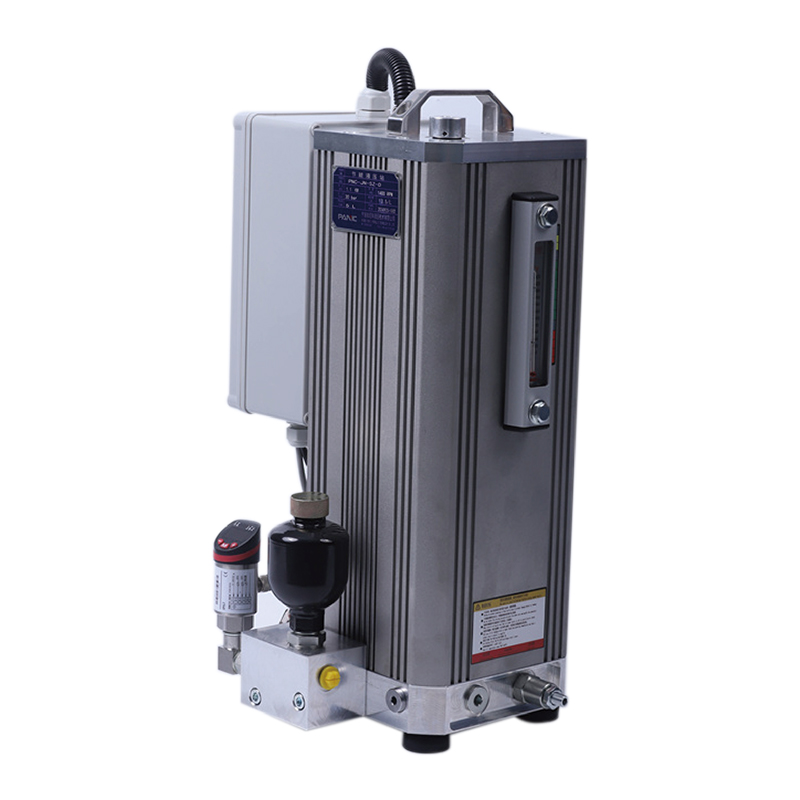 Accumulator-Based Energy Saving Hydraulic Power UnitThis station uses an accumulator and low-leakage components to maintain pressure with minimal motor operation, significantly reducing power consumption and noise in machining centers.View Product →
An often-overlooked factor is the hydraulic fluid viscosity. Diesel engine power packs are frequently started in cold weather, and high-viscosity oil can stall the pump or cause cavitation at low ambient temperature. Using a multi-grade hydraulic oil with a pour point below -30°C and installing a tank heater are simple ways to improve cold-weather reliability.
A diesel engine power unit is a self-contained power package that consists of a diesel engine, a hydraulic pump, a coupling, a fluid reservoir, and a cooling system. It converts diesel fuel into hydraulic energy to drive cylinders or hydraulic motors. It is widely used in mobile and field equipment where electric supply is unavailable.
Start from the required flow and pressure. Use P = p × Q / (600 × η) to find the necessary engine output, then add a 15–20% reserve. For example, 200 bar at 80 L/min requires roughly 32 kW at a total efficiency of 0.85, so choose an engine around 37–40 kW.
Yes, but with limitations. Diesel exhaust contains carbon monoxide, so indoor use requires proper ventilation and exhaust extraction. If indoor operation is frequent, an electric or oil-immersed hydraulic unit is usually a safer choice. For continuous low-noise applications, consider a silent power unit with an enclosed engine canopy and exhaust muffler.
In an open circuit, the pump draws oil from the tank and the return oil flows back to the tank. In a closed circuit, the pump and the hydraulic motor form a loop, and a small charge pump compensates for leakage. Diesel engine power units normally use an open circuit for simplicity and ease of maintenance.
A well-maintained diesel engine can run 24 hours a day, but cooling and oil temperature become the limiting factors. The recommended maximum hydraulic oil temperature is around 60–70°C for a standard mineral oil. If the oil temperature consistently exceeds 80°C, you need a larger oil tank or an oil cooler.
Daily checks include engine oil level, radiator coolant level, hydraulic oil level, and fuel level. Regular maintenance includes engine oil and filter changes every 250–500 hours, fuel filter replacement every 1000 hours, air filter cleaning every 500 hours, and hydraulic oil changes every 2000–4000 hours. The coupling and shaft alignment should be inspected every 1000 hours.
The key to a successful diesel engine power unit is not to buy the largest engine you can find, but to match the power to the hydraulic requirement. If you are building a mobile hydraulic system that must work independently and reliably in remote or outdoor conditions, choose a diesel-driven unit with a correctly sized pump, a robust cooling system, and a reasonable noise control strategy. When the hydraulic part of the system is carefully matched with the engine, the whole package will deliver years of dependable performance with a predictable maintenance budget.

This hydraulic power unit is specially designed for the forward stacker. It is integrated by a high-pressure gear pump, a DC Carbon brush or brushless...
See Details
This hydraulic pump station is composed of a series of side inlet and side outlet gear pumps and 4.5 or 5-inch DC motors. It is often used as a hydrau...
See Details
This DC bidirectional pump power unit adopts an integrated design of multiple components such as a bidirectional gear pump, a permanent magnet DC moto...
See Details
This hydraulic power unit is controlled by a brushless motor and can be divided into external and internal drives based on power. It is integrating co...
See Details
This hydraulic power unit is specially designed for the storage flushing door and is integrated with a high-pressure gear pump, AC motor, central valv...
See Details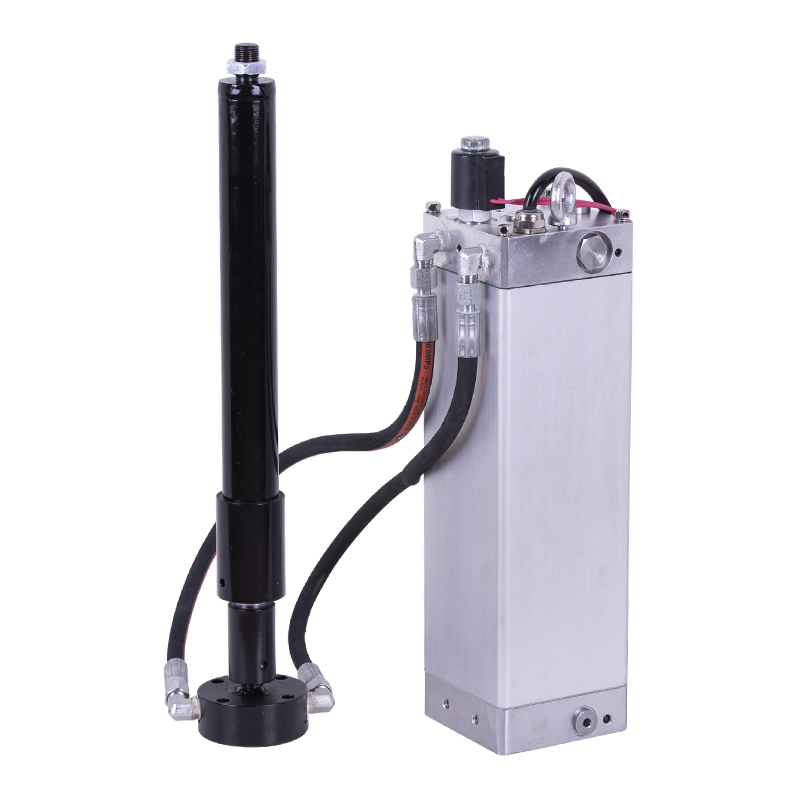
This hydraulic power unit is tailor-made for split shallow buried hydraulic lifting columns. It integrates a bidirectional gear pump, AC oil-immersed ...
See Details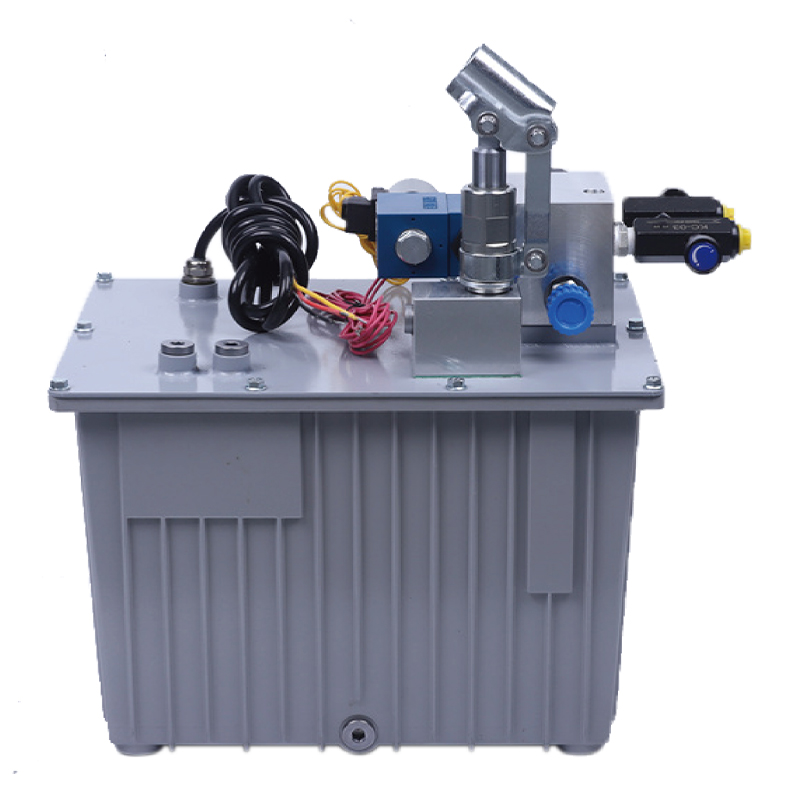
This hydraulic power unit is specially designed for an anti-terrorism hydraulic roadblock machine. It is integrated by a high-pressure gear pump, an A...
See Details
This oil immersed double actina power unit is designed for efficient, compact and low noise applications, integrating high pressure gear pump, AC oil ...
See Details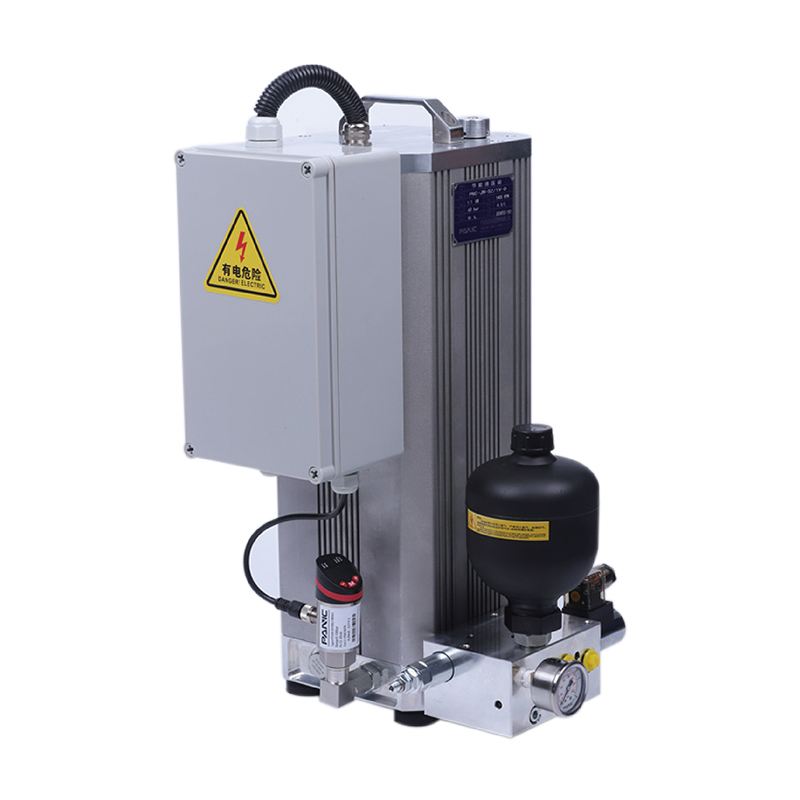
The energy-saving hydraulic station utilizes the working principle of an accumulator, combined with pressure sensors and low-leakage hydraulic compone...
See Details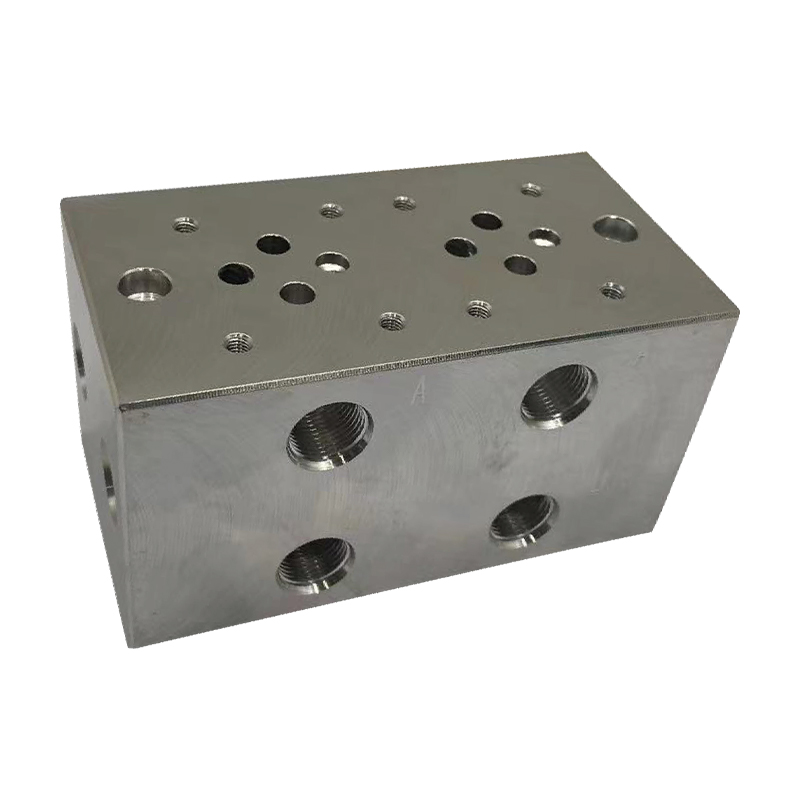
The multi-connection hydraulic integrated valve block is an efficient integrated component of the hydraulic system, including two-connection, three-co...
See Details
No. 12 Tongji Road, Simen Town, Yuyao City

+86-0574-62130352
+86-18905846028

+86-0574-62130353

Copyright© Ningbo Panic Hydraulic Technology Co., Ltd. All Rights Reserved. China Hydraulic Power Units Manufacturers

