


 English
 中文简体
中文简体 русский
Mobile lifting platform power unit
Cat:DC series hydraulic power unit
This hydraulic power unit is specially designed for a mobile hydraulic lifting table, which is integrated with a high-pressure gear pump. permanent ma...
See DetailsContent
A 12v hydraulic pump takes low-voltage direct current from a battery and turns it into pressurized fluid flow, while the matching hydraulic motor converts that pressurized flow back into rotating or linear mechanical force. Together they form a compact hydraulic pump station that can lift, tilt, push, or rotate a load without needing a diesel engine or a shore power connection. Most 12v units on the market today deliver somewhere between 1.5 gpm and 4 gpm of flow at working pressures ranging from 1500 psi to 3500 psi, which is enough to run small dump trailers, snow plow lift cylinders, wheelchair lifts, log splitters, and marine steering systems.
If you only remember one thing from this article, remember this: pick the pump station by matching cylinder bore size and required lift speed to the pump's gpm output first, then confirm the motor's amp draw fits your battery and wiring gauge. Getting flow and amperage right solves roughly 80 percent of the complaints people post in forums about slow lifts, tripped breakers, or a motor that hums but does not turn.
The rest of this guide walks through construction, performance figures, pump types, sizing math, installation, wiring, troubleshooting, lifespan expectations, and a full set of frequently asked questions, so that a first-time buyer and an experienced fabricator can both use it as a working reference for any hydraulic pump station project built around a 12v power source.
A typical 12v hydraulic pump station is not just a bare pump. It usually bundles five components into one housing or one mounted assembly:
This all-in-one layout is why the term hydraulic pump station is used rather than just "pump." The station is the complete power unit, and the motor and pump are only two of its parts. Buyers who search only for a bare pump often discover afterward that they still need a reservoir, valve, and mounting bracket, which is why most suppliers now sell the whole station as a single part number.
Reservoirs on 12v stations are usually vented rather than pressurized, using a simple breather cap that keeps air pressure inside the tank close to atmospheric as fluid moves in and out with cylinder travel. A clogged breather is an easy thing to overlook, and a tank that cannot breathe properly can starve the pump inlet in exactly the same way a low fluid level does, producing the same whining noise and slow cylinder movement.
Cast aluminum housings dominate the light and medium duty segment because aluminum sheds heat faster than steel and keeps the overall unit lighter for trailer mounting, while heavier duty stations built for continuous plow or agricultural use sometimes use steel reservoirs for added impact resistance against road debris and stones thrown up from tires.
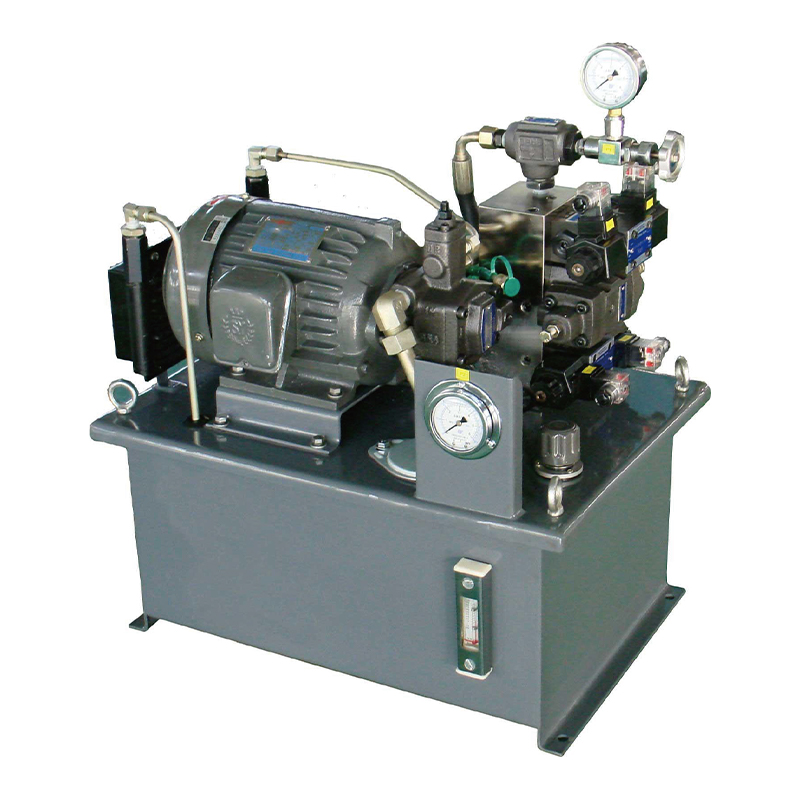
Manufacturer catalogs from 2024 and 2025 show a fairly consistent pattern across brands: as flow rises from 1.5 gpm to 4 gpm on a 12v motor, current draw roughly doubles, and wiring gauge has to grow with it. The table below summarizes typical figures gathered from published spec sheets of common single-acting and double-acting 12v pump stations.
| Motor Rating | Flow Rate | Working Pressure | Typical Amp Draw | Recommended Wire Gauge |
|---|---|---|---|---|
| 1.0 hp | 1.5 gpm | 2000 psi | 80 to 100 A | 2 AWG |
| 1.6 hp | 2.5 gpm | 2500 psi | 120 to 140 A | 1/0 AWG |
| 2.0 hp | 4.0 gpm | 3000 to 3500 psi | 160 to 180 A | 4/0 AWG |
These numbers explain why undersized battery cable is the single most common failure point reported by installers. A 2 hp pump station pulling 160 amps through 6 AWG cable will drop enough voltage under load that the motor spins slower than rated, the operator assumes the pump is weak, and the real problem is the wire.
Voltage drop math is straightforward and worth doing before any purchase. A 10 foot round trip cable run at 150 amps through 2 AWG copper drops close to 0.6 volts, which is minor, while the same run through 6 AWG can drop over 2 volts, enough to noticeably slow a motor that is already working at its rated load. Every extra foot of cable run compounds this drop, so mounting the pump station as close to the battery as the layout allows is a simple way to protect performance without spending more on the unit itself.
Dump trailers, tommy gate lift systems, wheelchair and scooter lifts, and truck bed lifts almost all run on 12v power because they already sit on a vehicle with a battery and alternator. A single-acting 1.5 gpm station is common on light dump trailers under 7000 lb GVWR, while heavier equipment moves up to the 2.5 gpm to 4 gpm range.
Boat trim tabs, hydraulic steering, snow plow angle and lift cylinders, and log splitters use 12v units because the equipment is either battery powered by nature, as with boats, or seasonal and unattended for months at a time, as with plows and splitters, where a self-contained 12v station is easier to store and troubleshoot than a belt-driven pump tied to an engine.
Gate openers, small bale spikes, portable jack systems, and utility trailer ramps use 12v pump stations because they need occasional, short-duration cycles rather than continuous duty, which matches the intermittent-duty rating most 12v DC motors are built for.
Wheelchair lifts on vans and buses rely heavily on 12v hydraulics because the vehicle already carries a battery bank, the lift only cycles a handful of times per trip, and a hydraulic cylinder holds position under load without drawing continuous current the way an electric screw actuator might.
| Application | Typical Flow | Valve Type |
|---|---|---|
| Light dump trailer | 1.5 to 2 gpm | Manual lever |
| Snow plow lift and angle | 2.5 to 3 gpm | Solenoid, wired remote |
| Wheelchair or scooter lift | 1 to 1.5 gpm | Solenoid, switch panel |
| Log splitter | 2 to 4 gpm | Manual lever |
Most 12v hydraulic pump stations use one of three internal pump designs, and each one trades cost, noise, and precision differently.
For most trailer and lift work, a gear pump station covers the job without the added cost of piston technology, and that is reflected in market share, with gear-pump stations making up the majority of units sold for light and medium duty mobile lifting tasks.
Field measurements from installers commonly place gear pump stations in the 75 to 85 decibel range at one meter under load, gerotor units closer to 65 to 75 decibels, and piston units similar to gerotor but with a sharper pitch. For equipment mounted near an operator, such as a wheelchair lift control panel, the quieter gerotor design is usually the more comfortable choice even though it costs somewhat more than an equivalent gear pump station.

Cylinder speed depends on flow rate and bore diameter, not on pressure. A 3 inch bore cylinder needs roughly 5.9 cubic inches of fluid per inch of stroke, so a 1.5 gpm pump, which moves about 346 cubic inches per minute, drives that cylinder around 58 inches per minute, while a 4 gpm pump moves the same cylinder near 156 inches per minute. Choosing pressure is a separate step and should be set high enough to lift the rated load with a safety margin, typically 20 to 25 percent above the calculated working pressure, then capped by the relief valve.
A practical rule many trailer builders use: for cylinders up to 3 inch bore and stroke under 24 inches, a 1.5 to 2.5 gpm station usually gives a lift time between 15 and 30 seconds, which most operators consider acceptable for a dump trailer or ramp.
Consider a 3.5 inch bore, 20 inch stroke cylinder lifting a trailer bed loaded to roughly 6000 lb at the pivot point, with a calculated working pressure near 1900 psi. Adding a 25 percent safety margin points toward a station rated at 2400 to 2500 psi. Cylinder volume works out to about 8 cubic inches per inch of stroke, or 160 cubic inches total, so a 2 gpm pump, moving 462 cubic inches per minute, completes the lift in roughly 21 seconds, which sits comfortably inside the range most trailer owners find acceptable.
Jumping straight to a 4 gpm station to guarantee speed also raises amp draw into the 160 to 180 amp range, which forces heavier cable, a larger battery, and a bigger relief valve orifice, adding cost and weight without a matching benefit if the application never needed the faster cycle time in the first place. Matching flow to the actual cylinder volume and acceptable cycle time keeps the whole electrical system smaller and cheaper.
Keep the run from battery to pump station as short as practical, use the wire gauge matched to amp draw shown earlier in this article, and always run a dedicated ground cable back to the battery negative terminal rather than relying on the vehicle frame alone. A loose or corroded ground connection is one of the most frequent causes of intermittent operation reported by owners of trailer-mounted units.
Because a 12v pump station can draw well over 100 amps, most installations place a high-amperage fuse or circuit breaker close to the battery, sized about 20 percent above the motor's rated draw, along with a continuous-duty solenoid relay so that the switch at the control panel only handles a small trigger current instead of the full motor load. This protects both the wiring and the switch from heat damage over repeated cycles.
Reservoirs should sit above the pump inlet whenever the layout allows it, since gravity-fed fluid reduces cavitation noise and extends pump life. If the station must be mounted below the reservoir line, a flooded suction line with minimal fittings and bends is important to avoid air ingestion.
Most 12v stations are designed around ISO 32 or ISO 46 hydraulic oil, and in colder climates a lower viscosity fluid helps the motor start under load without stalling. A 10 to 25 micron inline filter on the return line catches wear particles before they recirculate through the gear or gerotor set, which is one of the cheapest upgrades an owner can make to extend service life.
Hoses should be routed away from exhaust components, sharp trailer edges, and tire swing radius, with enough slack to allow full suspension or lift travel without stretching a fitting loose. Chafe guards at any point where a hose crosses a frame rail add very little cost but prevent one of the more common causes of slow fluid loss over a season of use.
Almost every 12v hydraulic motor carries an intermittent duty rating, often written as a percentage such as ED 25 percent, meaning the motor is designed to run for roughly 25 percent of any given time window, for example 2.5 minutes of run time within a 10 minute window, before it needs a rest period to cool down. Running a motor rated ED 25 percent continuously for 8 or 10 minutes straight, such as repeatedly cycling a log splitter without pause, pushes internal winding temperature well past the design point and shortens brush and winding life significantly.
Applications with genuinely continuous demand, such as an industrial conveyor tensioner or a continuously adjusted leveling system, are better served by a pump station built around a higher duty cycle motor or a slightly larger frame size that sheds heat faster, even if the flow and pressure numbers look similar on paper to a lighter intermittent-duty unit.
| Symptom | Most Likely Cause | First Check |
|---|---|---|
| Motor hums, no movement | Voltage drop under load | Cable gauge and battery terminals |
| Slow lift over time | Worn gear set or low fluid | Reservoir fluid level and clarity |
| Cylinder drifts down | Check valve or seal leak | Valve block fittings for seepage |
| Loud whining noise | Air in suction line | Suction fittings and fluid level |
| Motor runs hot to the touch | Duty cycle exceeded | Run time versus rated ED percentage |
| Fluid looks milky | Water contamination | Reservoir cap seal and storage conditions |
Most of these issues can be diagnosed in under ten minutes without disassembling the pump, which is why checking wiring, fluid level, and fittings first saves far more time than jumping straight to replacing the pump station.
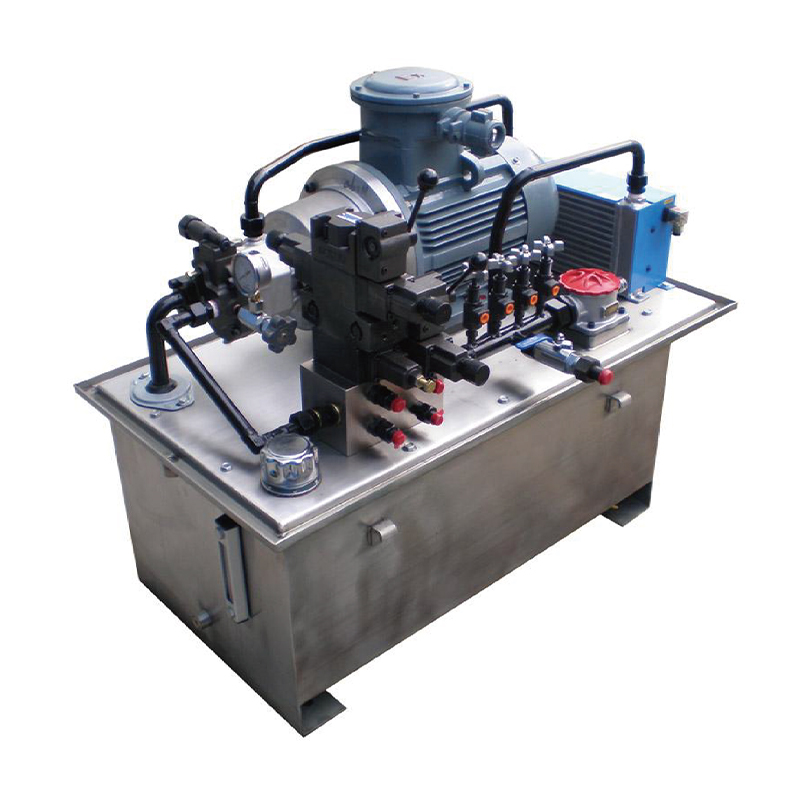
Owners running intermittent duty cycles, meaning a few minutes of operation followed by long rest periods, commonly report 5 to 8 years of service from a well-maintained 12v hydraulic pump station before the motor brushes or pump gears need replacing. Continuous or near-continuous use, such as a plow that runs all winter, shortens that window, and brush replacement every 1 to 2 years becomes routine maintenance rather than a failure.
Replacement parts are usually far cheaper than a full new station. A motor brush kit typically costs a small fraction of the price of the complete unit, and a seal kit for the pump section is similarly inexpensive, so it is worth checking part availability from the manufacturer before assuming a full replacement is required when performance drops.
Seasonal equipment such as plows and splitters benefit from a fluid top-off and a quick cycle test before storage, since a partially empty reservoir left over winter allows condensation to form inside the tank, which is one of the more common reasons fluid turns milky by the following spring.
Working through this list before ordering avoids the two most common regrets reported by first-time buyers: a station that lifts too slowly for the application, and a station that draws more current than the existing battery and wiring can comfortably supply.
For a 3 inch bore cylinder with a stroke around 20 inches, a 1.5 to 2 gpm 12v pump station typically gives a lift time between 15 and 25 seconds, which covers most light and medium dump trailer applications.
Yes for short, intermittent cycles, but the battery should be sized with enough reserve capacity to handle the amp draw shown earlier without dropping voltage too far, and the alternator should be able to recharge the battery between cycles if the equipment is used repeatedly in one session.
This usually points to low fluid level, a directional valve stuck in neutral, or a relief valve stuck open rather than the motor or pump itself, so check fluid level and valve position before opening the pump housing.
A lower viscosity fluid such as ISO 32, or a fluid specifically rated for arctic conditions, flows more easily at startup in cold climates and reduces the load on the motor when the equipment first switches on.
Single-acting stations power the cylinder in one direction and rely on gravity or a spring to return it, which suits dump beds and ramps, while double-acting stations power both extend and retract strokes and suit applications like plow angling where the load must be actively controlled in both directions.
For intermittent duty equipment, an annual fluid change or a change every 200 to 300 operating hours, whichever comes first, keeps contamination low and protects the gear or gerotor set from abrasive wear.
A motor rated for a specific duty cycle percentage is meant to run for that share of any given time window and rest for the remainder, so an ED 25 percent motor asked to run continuously for long stretches will overheat well before a motor built for continuous duty would.
An inline return filter is not always included from the factory, but adding a 10 to 25 micron filter is an inexpensive way to reduce wear on the gear or gerotor set and is generally recommended for any station expected to run for several seasons.
Milky fluid almost always indicates water contamination, often from condensation building up in a partially filled tank left in storage, and the fluid should be replaced before further use since water in hydraulic fluid accelerates internal corrosion and reduces lubrication.
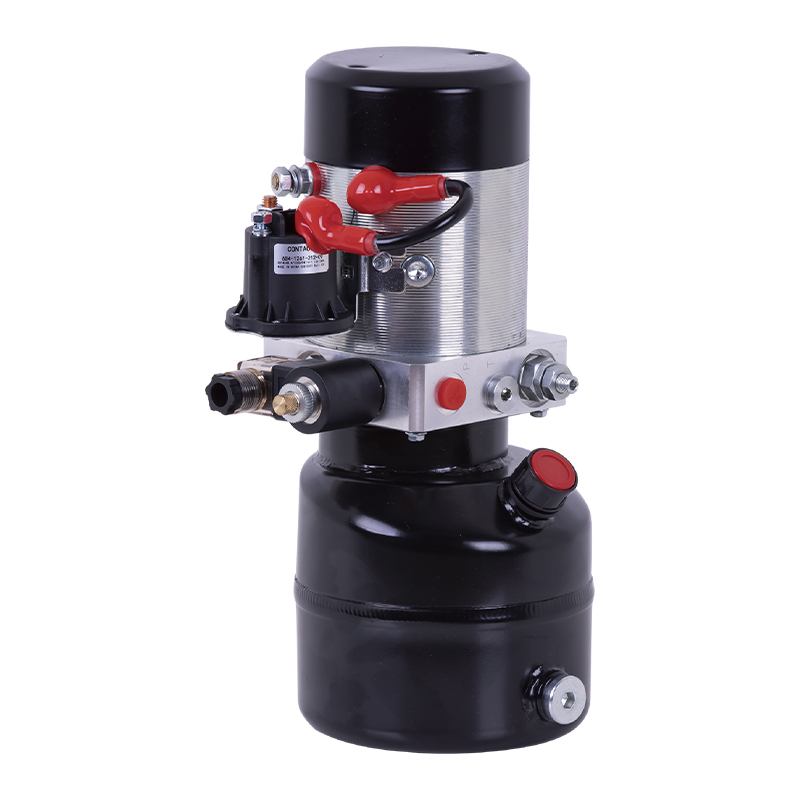
This hydraulic power unit is specially designed for a mobile hydraulic lifting table, which is integrated with a high-pressure gear pump. permanent ma...
See Details
This DC bidirectional pump power unit adopts an integrated design of multiple components such as a bidirectional gear pump, a permanent magnet DC moto...
See Details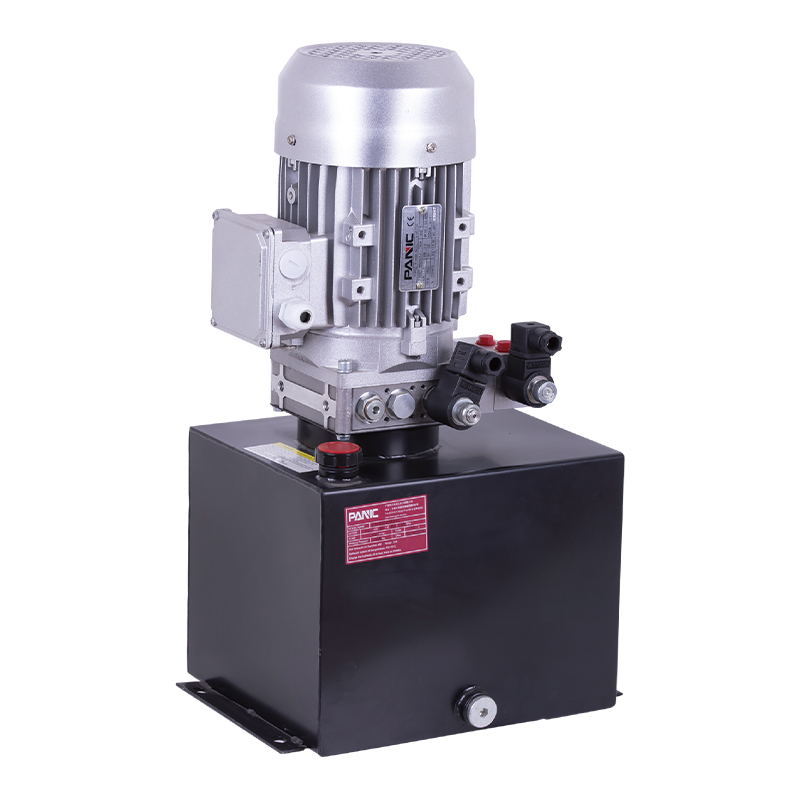
This hydraulic power unit is designed for scissor lifts and integrates a high-pressure gear pump, AC motor, center valve block, cartridge valve and oi...
See Details
This hydraulic power unit is specially designed for the storage flushing door and is integrated with a high-pressure gear pump, AC motor, central valv...
See Details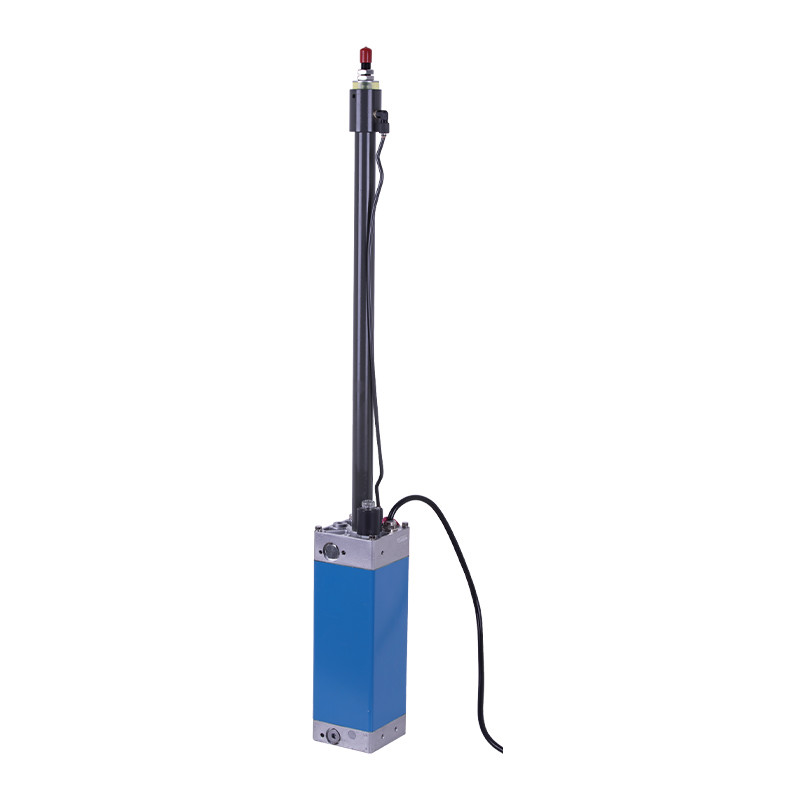
The hydraulic power unit is specially designed for the integrated hydraulic lifting column, which is integrated by a two-way gear pump, an AC Oil imme...
See Details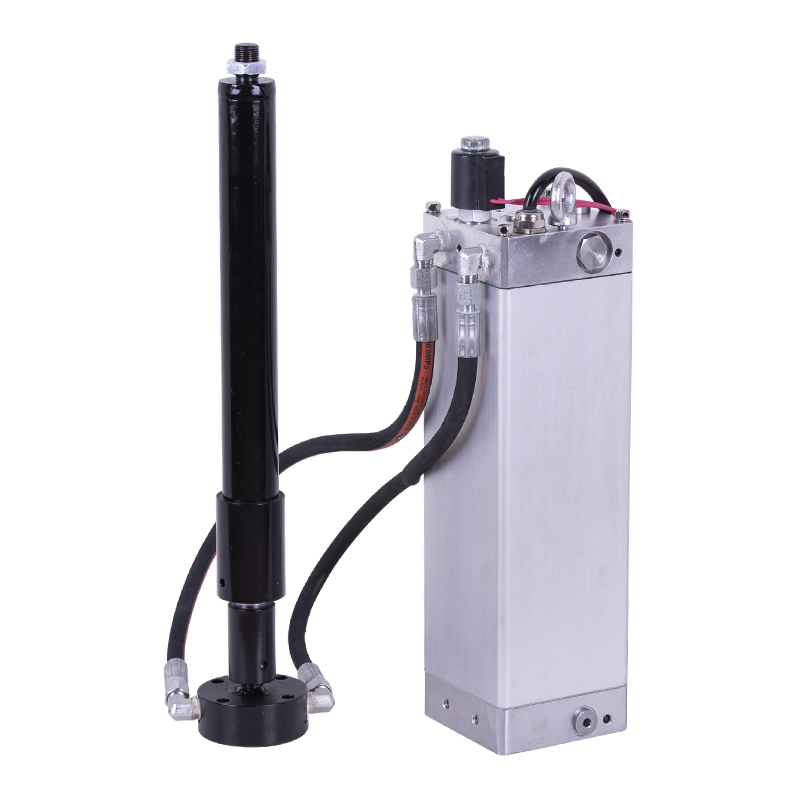
This hydraulic power unit is tailor-made for split shallow buried hydraulic lifting columns. It integrates a bidirectional gear pump, AC oil-immersed ...
See Details
This hydraulic power unit is designed to meet extreme security needs, especially for critical occasions where large vehicles such as heavy trucks and ...
See Details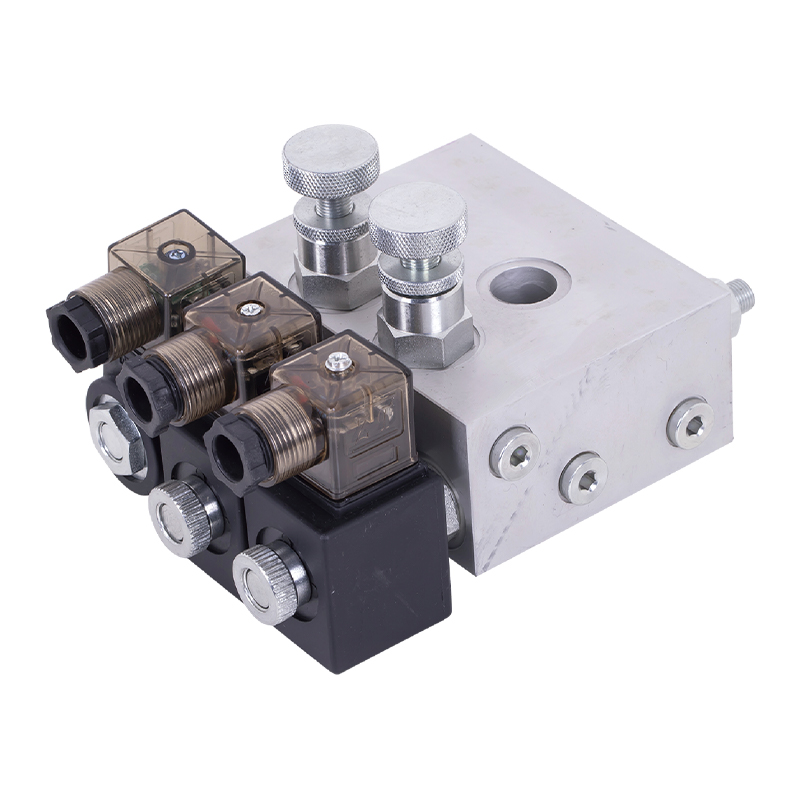
The tailgate hydraulic valve group is the core control component of the truck tailgate hydraulic system, which is designed to provide precise control ...
See Details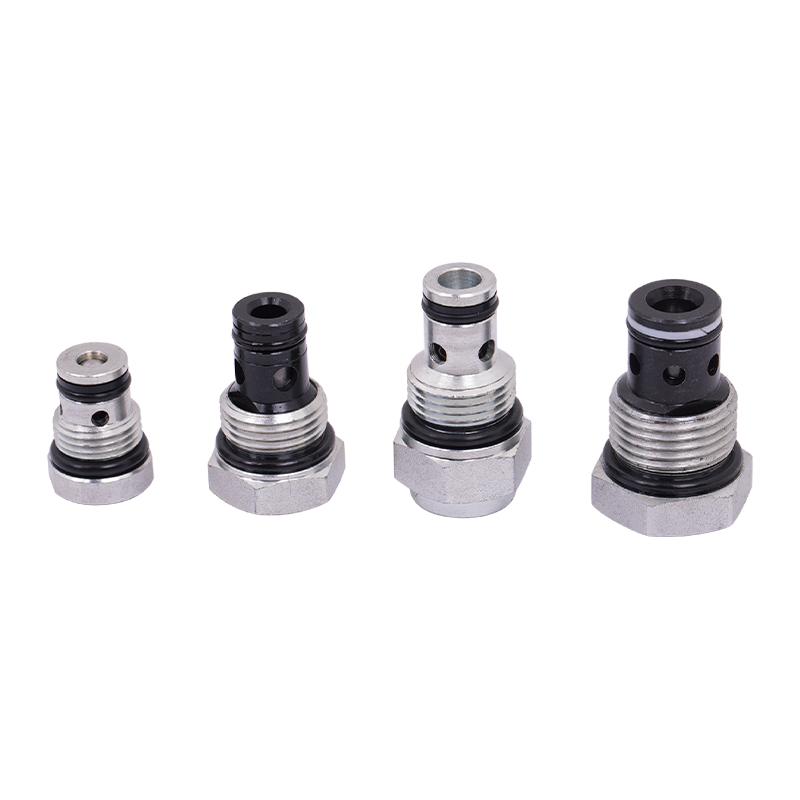
The power unit check valve (also called non-return valve) is a key component for controlling the one-way flow of fluids. It can prevent hydraulic oil,...
See Details
The relief valve is the core component for controlling pressure in the hydraulic system. It can maintain the stability of the system pressure and prev...
See Details
No. 12 Tongji Road, Simen Town, Yuyao City

+86-0574-62130352
+86-18905846028

+86-0574-62130353

Copyright© Ningbo Panic Hydraulic Technology Co., Ltd. All Rights Reserved. China Hydraulic Power Units Manufacturers

