


 English
 中文简体
中文简体 русский
Mini Pallet Truck Hydraulic Power Unit
Cat:DC series hydraulic power unit
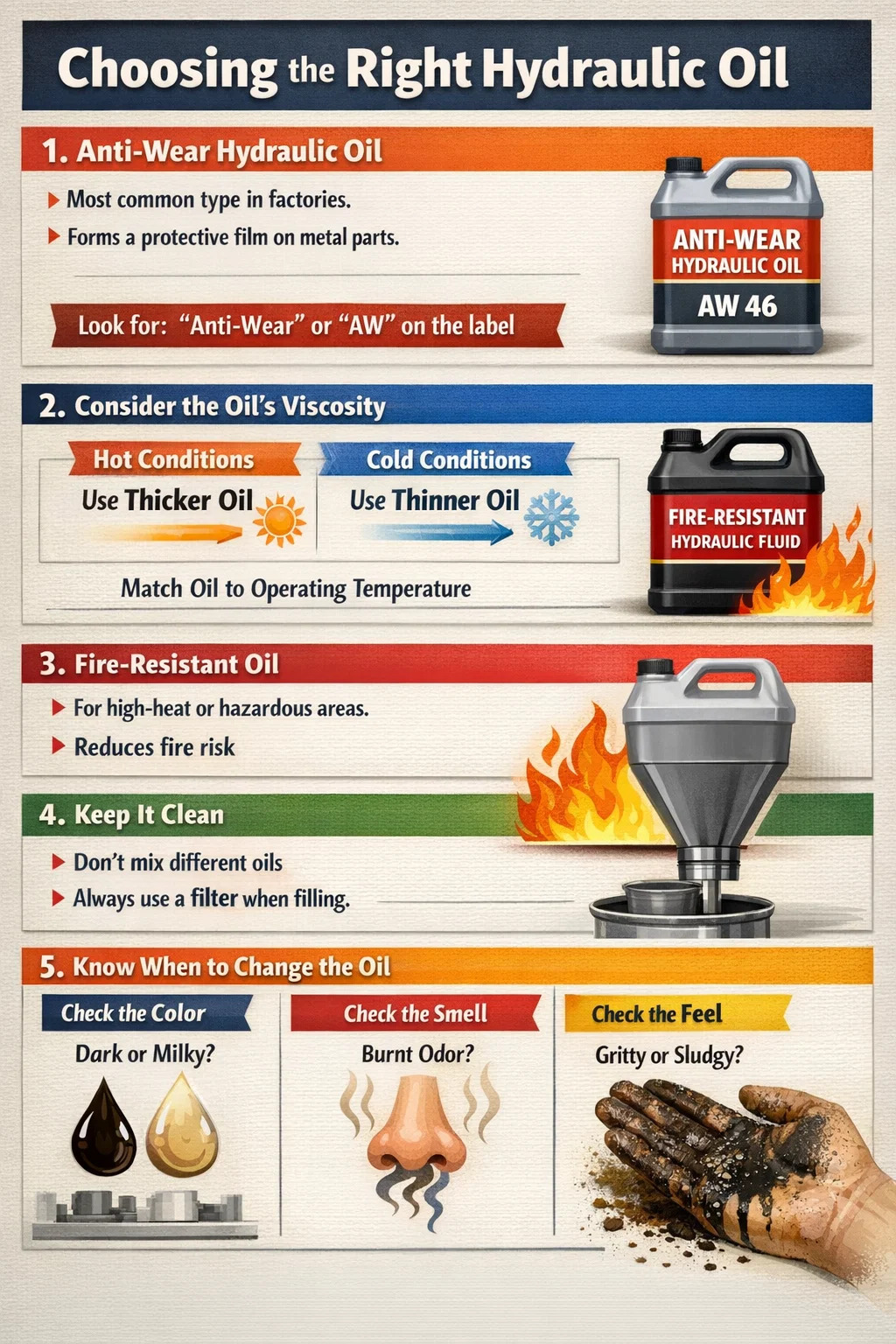
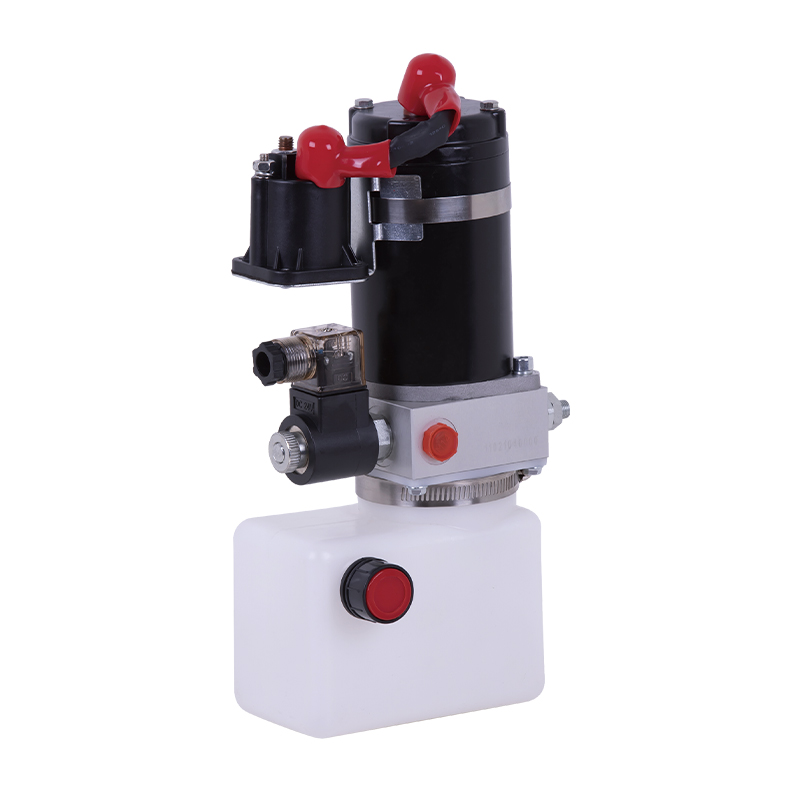
This hydraulic power unit is specially designed for all electric pallet truck.It consists of high voltage gear pump,permanent magnet DC motor and cent...
See DetailsContent
Adding oil to a hydraulic power unit is like adding engine oil to a car – you can't just pour in any old oil. Choosing the right oil is crucial for the machine to operate efficiently and reliably.
Hydraulic power units typically use specialized hydraulic oil, but there are several important considerations when choosing the right one:
This is the most common type of oil found in factories.
Its function: It has excellent lubrication properties. Because the pumps and valves inside the hydraulic power unit are precision-machined metal parts, there is significant friction under high pressure. Anti-wear hydraulic oil forms a protective film on the metal surfaces, preventing the parts from wearing down.
Identification: The packaging will usually be marked with terms like "anti-wear" or specific industry codes.
The viscosity of the oil has a significant impact on the system.
Summer or high-temperature environments: If the environment is hot, the oil will become thinner. In this case, you need to choose a slightly "thicker" oil; otherwise, the pressure won't be maintained, and the oil will leak through the gaps like water.
Winter or cold storage environments: If it's cold, the oil will become thicker and more viscous. When the machine starts, the pump will struggle to move the oil, or may even be unable to draw it in. In this case, you need to switch to a "thinner" low-pour-point hydraulic oil to ensure flow even at low temperatures.
In short: Choose the oil based on the operating temperature of your machine.
If your hydraulic power unit is located near a furnace, in a foundry, or in an area with open flames, you absolutely cannot use ordinary mineral oil.
Fire-resistant hydraulic fluid: This type of oil is not easily ignited. If a pipe bursts and oil sprays out, ordinary oil will burn like a fireball, while this special oil significantly reduces the risk of fire.
Hydraulic power units are very "cleanliness-sensitive."
Don't mix oils: Never mix different brands or types of oil. Their chemical additives may react with each other, causing the oil to foam, deteriorate, or produce a sludge-like sediment that clogs the filter.
Even new oil needs filtering: Many people think that newly purchased bottled oil is clean, but this is not the case. Experienced mechanics always use a filter when pouring oil into the fuel tank to prevent metal shavings or dust from the bottom of the container from entering the system.
Simply adding oil without changing it is not enough. You can observe the following points:
Check the color: Clean oil is golden and transparent. If it turns black, it means it has burned or is dirty; if it turns white like milk, it means water has entered the system.
Check the smell: If you smell a burnt odor, it means the oil has deteriorated due to high temperatures.
Check the feel: Normal oil is slippery. If it feels gritty or sandy, you must replace the oil and clean the fuel tank immediately.
This hydraulic power unit is specially designed for all electric pallet truck.It consists of high voltage gear pump,permanent magnet DC motor and cent...
See Details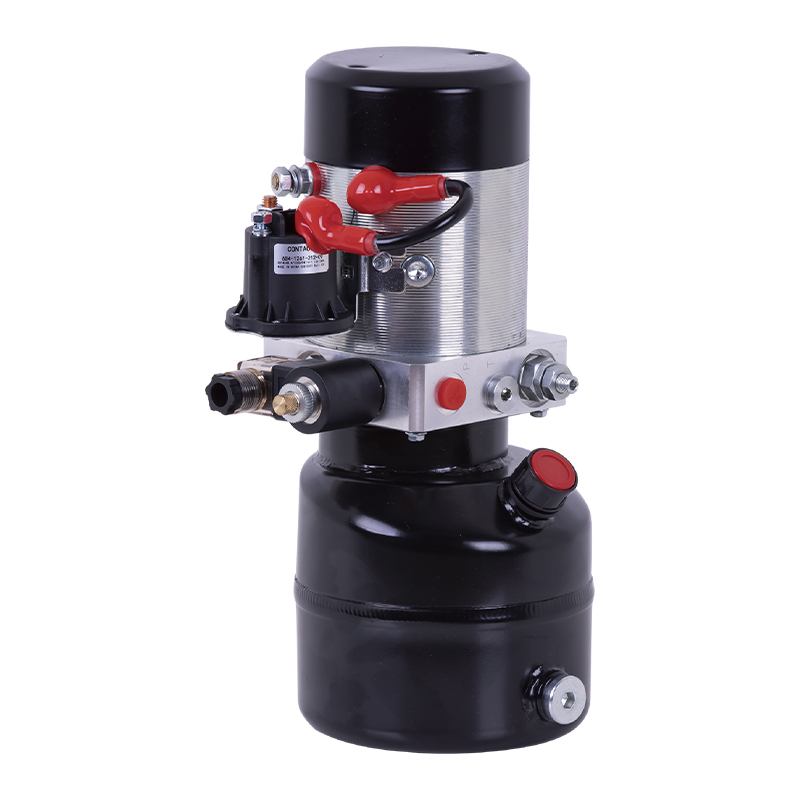
This hydraulic power unit is specially designed for a mobile hydraulic lifting table, which is integrated with a high-pressure gear pump. permanent ma...
See Details
This DC single acting power unit is designed for mobile hydraulic lifting platforms. It provides an efficient and reliable hydraulic power solution th...
See Details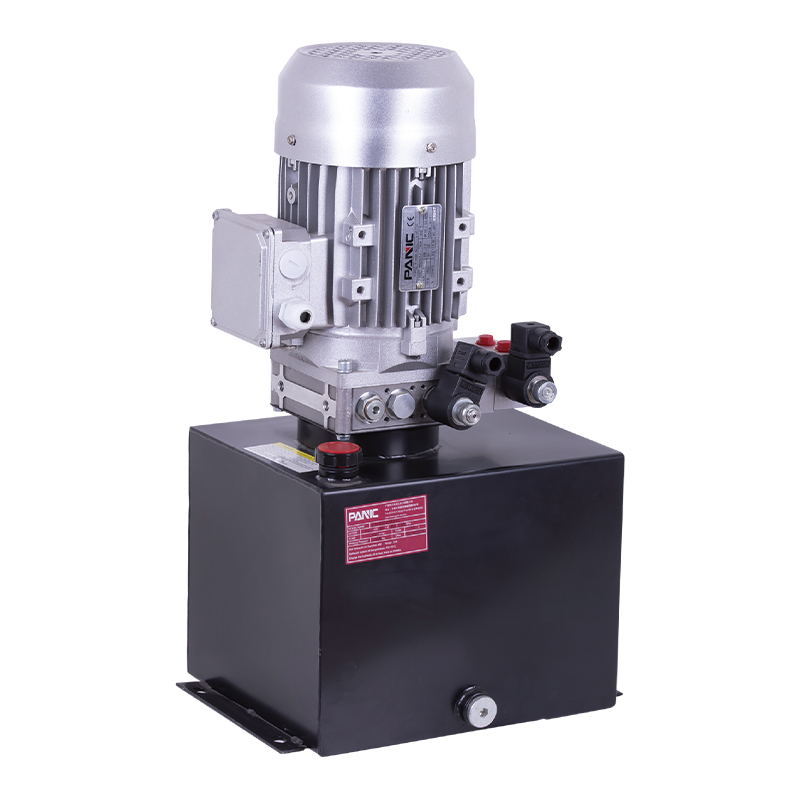
This hydraulic power unit is designed for scissor lifts and integrates a high-pressure gear pump, AC motor, center valve block, cartridge valve and oi...
See Details
This hydraulic power unit is designed specifically for CNC machine tool cutting cylinders and can provide precise power and control, consisting of a h...
See Details
This hydraulic power unit is designed to meet extreme security needs, especially for critical occasions where large vehicles such as heavy trucks and ...
See Details
This oil immersed double actina power unit is designed for efficient, compact and low noise applications, integrating high pressure gear pump, AC oil ...
See Details
The V3068 hydraulic valve group is an electric check valve group designed for hydraulic systems. It is mainly used to prevent the backflow of media, e...
See Details
The relief valve is the core component for controlling pressure in the hydraulic system. It can maintain the stability of the system pressure and prev...
See Details
Proportional valve is a key component for realizing continuous and precise control of flow or pressure in hydraulic system. It can adjust output param...
See Details
No. 12 Tongji Road, Simen Town, Yuyao City

+86-0574-62130352
+86-18905846028

+86-0574-62130353

Copyright© Ningbo Panic Hydraulic Technology Co., Ltd. All Rights Reserved. China Hydraulic Power Units Manufacturers

