


 English
 中文简体
中文简体 русский
Mobile lifting platform power unit
Cat:DC series hydraulic power unit
This hydraulic power unit is specially designed for a mobile hydraulic lifting table, which is integrated with a high-pressure gear pump. permanent ma...
See DetailsContent
In the hydraulics industry, HPU is an abbreviation for Hydraulic Power Unit.
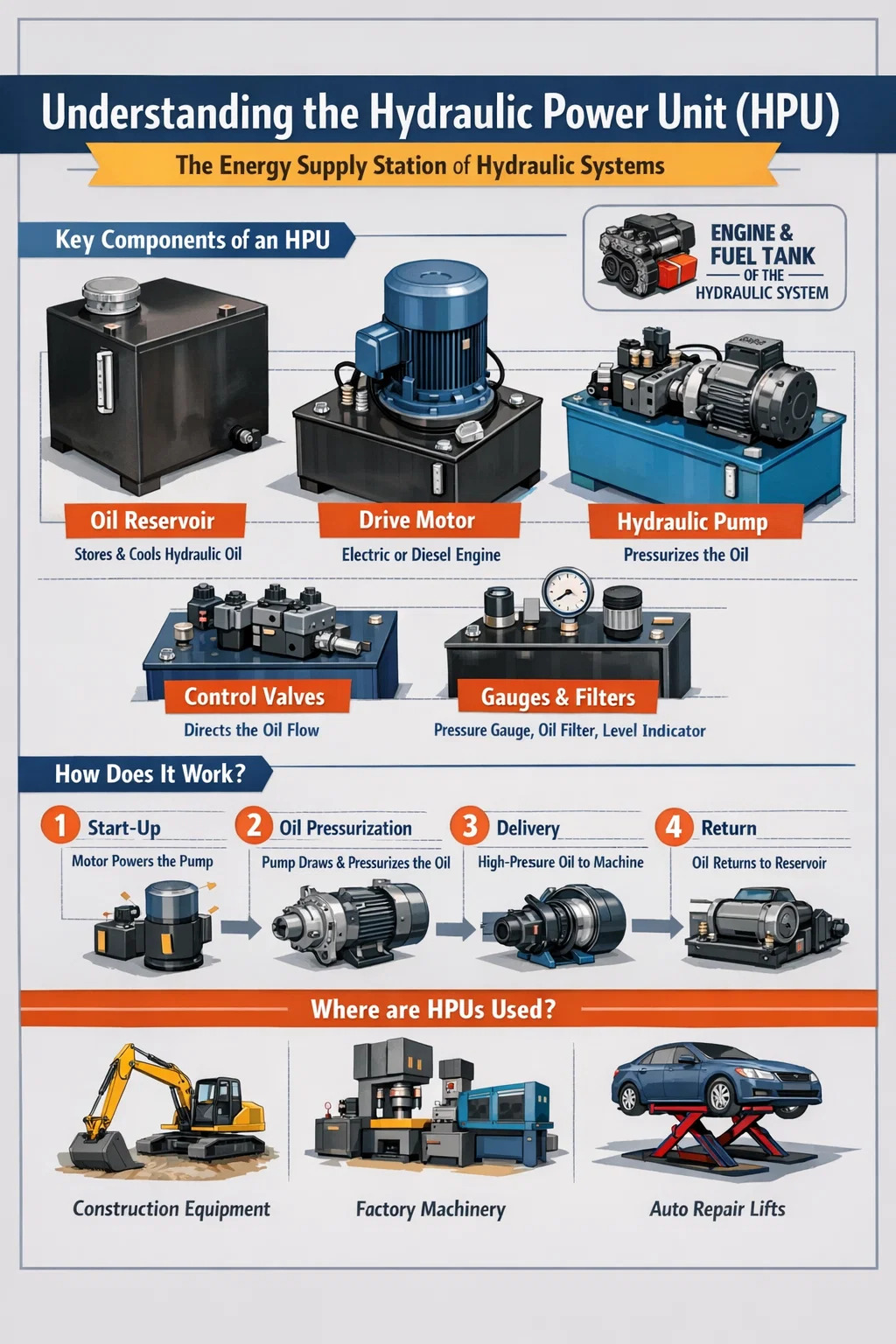
If you consider a hydraulic machine as a car, then the hydraulic power unit is the combination of the car's "engine" and "fuel tank." It doesn't perform the work directly (it doesn't push, pull, or rotate), but it is responsible for continuously supplying energy to the working components.
In a hydraulic system, cylinders (for extension and retraction) or motors (for rotation) alone are not enough; they need pressurized oil to operate. The task of the hydraulic power unit (HPU) is to convert ordinary electrical or mechanical energy into this pressurized "power oil."
A standard hydraulic power unit usually consists of several key parts:
A large metal box used to store hydraulic oil, ensuring that the system always has oil available and also helping to dissipate heat from the oil.
This is the "power source" of the entire unit, usually an electric motor or a gasoline/diesel engine.
Directly connected to the motor. When the motor rotates, the pump starts to draw in oil and pressurize it before ejecting it.
Like a series of "taps," controlling where the oil flows, how much pressure it has, and when it stops.
Including filters (to remove impurities), pressure gauges (to show the pressure), and level indicators (to show how much oil is left).
The process is actually very straightforward:
You switch on the power, and the motor drives the pump to rotate rapidly.
The pump draws in cool oil from the reservoir and, through its internal structure, transforms it into high-pressure oil with immense power.
The high-pressure oil flows through pressure-resistant pipes to the machine parts at the other end.
After the parts have completed their work, the used oil flows back to the reservoir through another pipe, where it settles, cools down, and is filtered, waiting for the next cycle.
You'll find that most hydraulic power units look like a metal box with a motor attached, and this is because:
Integration: All the parts are assembled together, making them easy to move and ready to use simply by connecting the pipes.
Protection: Enclosing the components in a box prevents dust from entering the oil and also reduces some of the noise from the motor.
They are used whenever you need a lot of power but don't want to install a huge motor:
Road construction sites: Behind the excavator or in road paving machines.
Factory workshops: In metal stamping presses and injection molding machines.
Everyday life: Underneath the lift used to raise cars in car repair shops, you'll usually find a small hydraulic power unit.
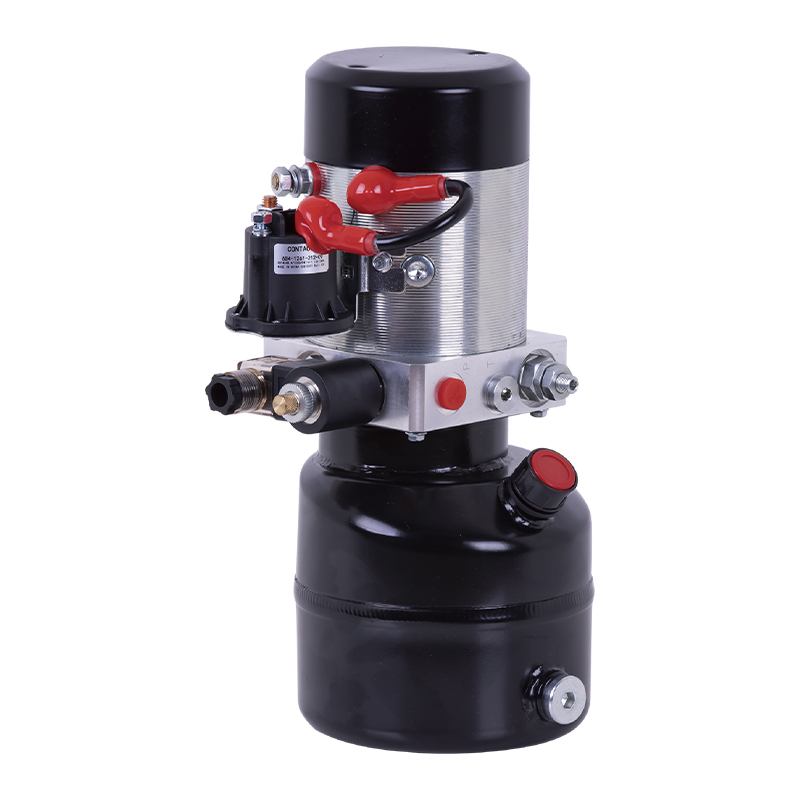
This hydraulic power unit is specially designed for a mobile hydraulic lifting table, which is integrated with a high-pressure gear pump. permanent ma...
See Details
This DC double acting power unit is an integrated hydraulic system designed for various equipment that requires efficient hydraulic drive. It is suita...
See Details
This DC micro power unit combines high-pressure gear pumps, DC motors, center valve blocks, cartridge valves and oil tanks. It is compact and powerful...
See Details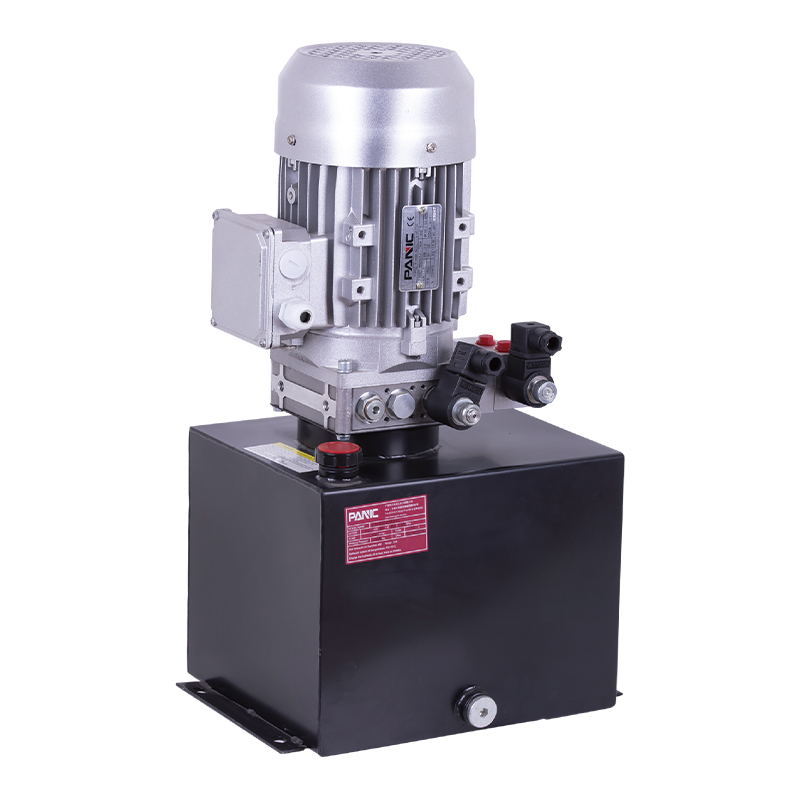
This hydraulic power unit is designed for scissor lifts and integrates a high-pressure gear pump, AC motor, center valve block, cartridge valve and oi...
See Details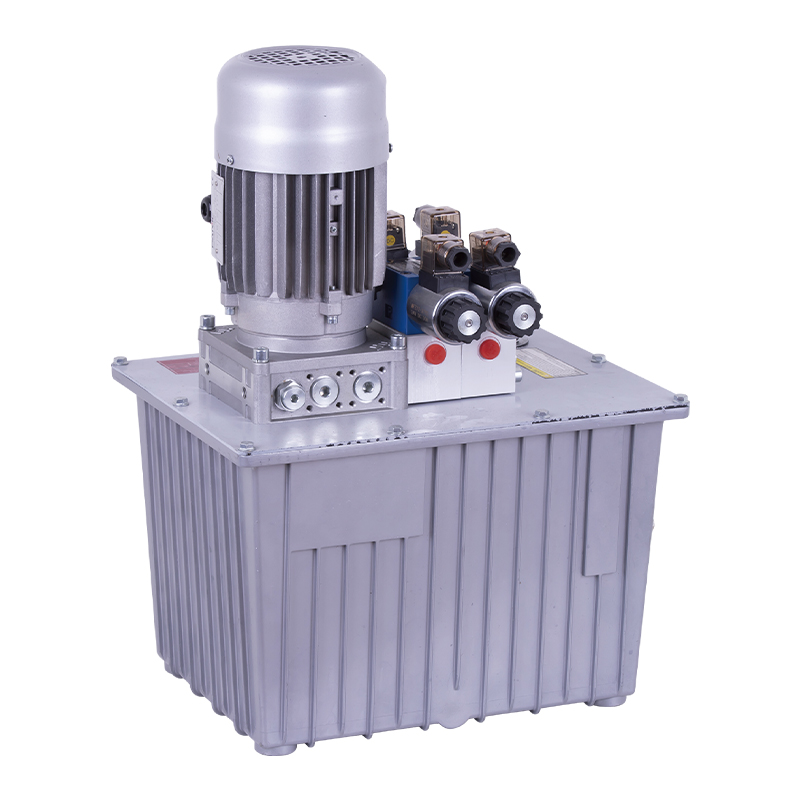
This hydraulic power unit is specially designed for a double-acting oil cylinder system, which is integrated by a high-pressure gear pump, an AC motor...
See Details
The hydraulic power unit is specially designed for the integrated hydraulic lifting column, which is integrated by a two-way gear pump, an AC oil imme...
See Details
This hydraulic power unit is designed to meet extreme security needs, especially for critical occasions where large vehicles such as heavy trucks and ...
See Details
This oil immersed double actina power unit is designed for efficient, compact and low noise applications, integrating high pressure gear pump, AC oil ...
See Details
The V3068 hydraulic valve group is an electric check valve group designed for hydraulic systems. It is mainly used to prevent the backflow of media, e...
See Details
The relief valve is the core component for controlling pressure in the hydraulic system. It can maintain the stability of the system pressure and prev...
See Details
No. 12 Tongji Road, Simen Town, Yuyao City

+86-0574-62130352
+86-18905846028

+86-0574-62130353

Copyright© Ningbo Panic Hydraulic Technology Co., Ltd. All Rights Reserved. China Hydraulic Power Units Manufacturers

