


 English
 中文简体
中文简体 русский
Mini Pallet Truck Hydraulic Power Unit
Cat:DC series hydraulic power unit
This hydraulic power unit is specially designed for all electric pallet truck.It consists of high voltage gear pump,permanent magnet DC motor and cent...
See DetailsContent
Hydraulic oil is a mineral or synthetic fluid that transmits power, lubricates internal components, and dissipates heat inside a hydraulic system. In a hydraulic power unit, it is not a passive medium — it is the working substance that determines how efficiently force is generated, how long seals and pumps last, and how reliably the entire system performs under load.
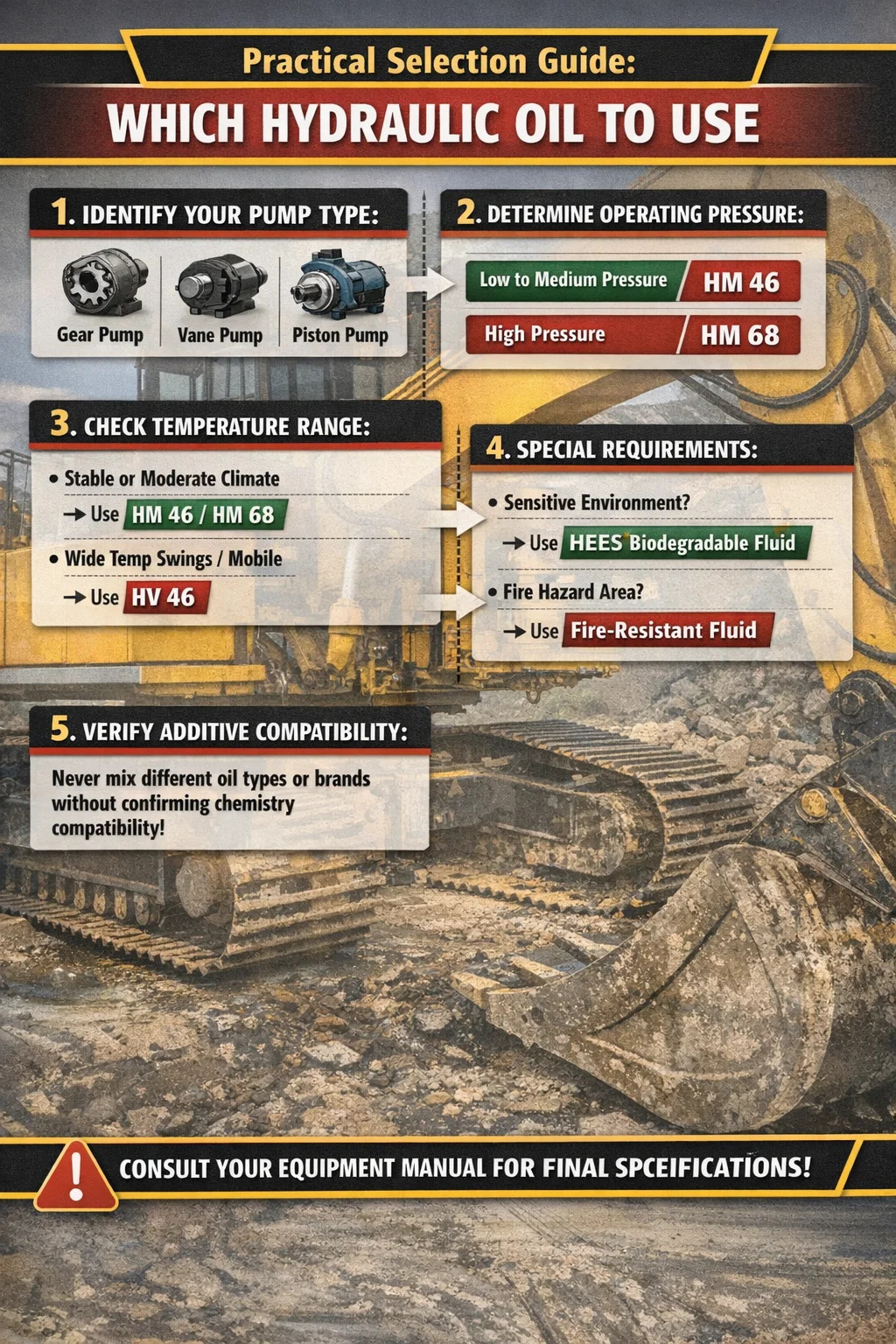
The short answer to "what hydraulic oil should I use" depends on three factors: the viscosity grade required by your pump, the operating temperature range of your application, and the additive package compatibility with your seals and metals. Get these right, and the hydraulic power unit runs cleanly for thousands of hours. Get them wrong, and you face cavitation, seal swell, and premature pump failure.
Most hydraulic oils fall into one of four categories. Each has a specific composition designed for different operating conditions.
Refined from crude petroleum, these are the most common fluids used in standard hydraulic power units. ISO grades HL (rust and oxidation inhibitors), HM (anti-wear additives added), and HV (high viscosity index for wide temperature range) cover the majority of industrial and mobile applications. HM46 and HM68 are among the most widely specified grades globally.
Polyalphaolefin (PAO) and ester-based synthetic fluids offer a wider operating temperature range, typically −40°C to +120°C, compared to mineral oil's practical range of roughly −20°C to +90°C. They are used in hydraulic power units operating in extreme cold (outdoor equipment in Nordic climates) or continuous high-cycle applications where thermal degradation is a concern.
Used in foundries, die casting operations, and underground mining where leaks near ignition sources create fire risk. Water-glycol fluids (HFC) are common and typically run at 35–50% water content, which reduces lubricity — so pump pressure ratings must be de-rated accordingly.
Vegetable oil (HETG) and synthetic ester (HEES) fluids are required in environmentally sensitive areas — forestry machinery, marine deck equipment, agriculture near waterways. HEES fluids generally offer better oxidation stability than HETG and are more compatible with standard sealing materials.
ISO VG (Viscosity Grade) numbers represent the fluid's kinematic viscosity in centistokes (cSt) at 40°C. Common grades used in hydraulic power units are listed below:
| ISO VG Grade | Viscosity at 40°C (cSt) | Typical Application |
|---|---|---|
| VG 22 | 19.8 – 24.2 | High-speed spindles, cold-climate starts |
| VG 32 | 28.8 – 35.2 | Machine tools, indoor industrial units |
| VG 46 | 41.4 – 50.6 | Most general-purpose hydraulic power units |
| VG 68 | 61.2 – 74.8 | High-pressure systems, warm climates |
| VG 100 | 90 – 110 | Slow-cycle heavy equipment, very high ambient temps |
VG 46 is the default choice for most hydraulic power units operating between 20°C and 50°C ambient temperature. If the system runs cooler consistently, step down to VG 32. If it runs hotter or at higher sustained pressure (above 250 bar), move up to VG 68.
Viscosity grade is the starting point, but several other properties directly affect how the oil behaves inside the pump, valve block, and actuators of a hydraulic power unit.
Different pump designs place different demands on the hydraulic fluid. Using the wrong oil type for the pump can cause wear rates far above design expectations.
Gear pumps are tolerant of a wide range of hydraulic oils. HM46 is the standard recommendation. They can handle slightly higher contamination levels than vane or piston pumps, but cleanliness to ISO 4406 class 18/16/13 or better is still advisable.
Vane pumps are the most sensitive to oil quality. They require good anti-wear protection because the vane tips run against the cam ring under spring and centrifugal force. Some vane pump manufacturers (Vickers/Eaton, for example) specify fluids meeting their own anti-wear test (the Vickers 35VQ25 test) rather than just ISO classification.
High-pressure axial piston pumps (operating at 250–450 bar) in hydraulic power units used for presses, injection molding, and mobile cranes require excellent lubricity and cleanliness. Target ISO 4406 cleanliness code of 16/14/11 or better. HV46 or HV68 is commonly specified to handle the temperature variations in mobile applications.
Studies from major hydraulic component manufacturers consistently show that over 70% of hydraulic system failures are caused by fluid contamination rather than oil degradation alone. Contamination comes in three forms:
When changing oil type or brand in an existing hydraulic power unit, always flush the system with a low-viscosity mineral oil and drain completely before refilling. Reservoir cleaning between oil changes is not optional — it removes sludge that contaminates fresh oil immediately.
Changing hydraulic oil on a fixed-hour schedule regardless of actual condition wastes oil and risks either over-extending degraded fluid or discarding usable oil. Condition-based oil management is a better approach for hydraulic power units in continuous industrial use.
As a baseline, typical oil change intervals for mineral HM oil in a well-maintained hydraulic power unit are:
Condition indicators to test during scheduled oil sampling include: viscosity at 40°C (±10% deviation from new oil triggers review), acid number (TAN above 2.0 mg KOH/g for mineral oil indicates oxidation), water content (above 0.1% requires immediate action), and particle count per ISO 4406.
If your hydraulic power unit manufacturer's manual specifies an oil type and viscosity — follow it exactly. That specification accounts for pump clearances, seal materials, and system pressure. When the manual is unavailable or gives only a broad range, use this decision path:
Never mix hydraulic oil brands or types without confirming additive compatibility with both manufacturers. Even two HM46 oils from different suppliers can contain incompatible additive chemistry.
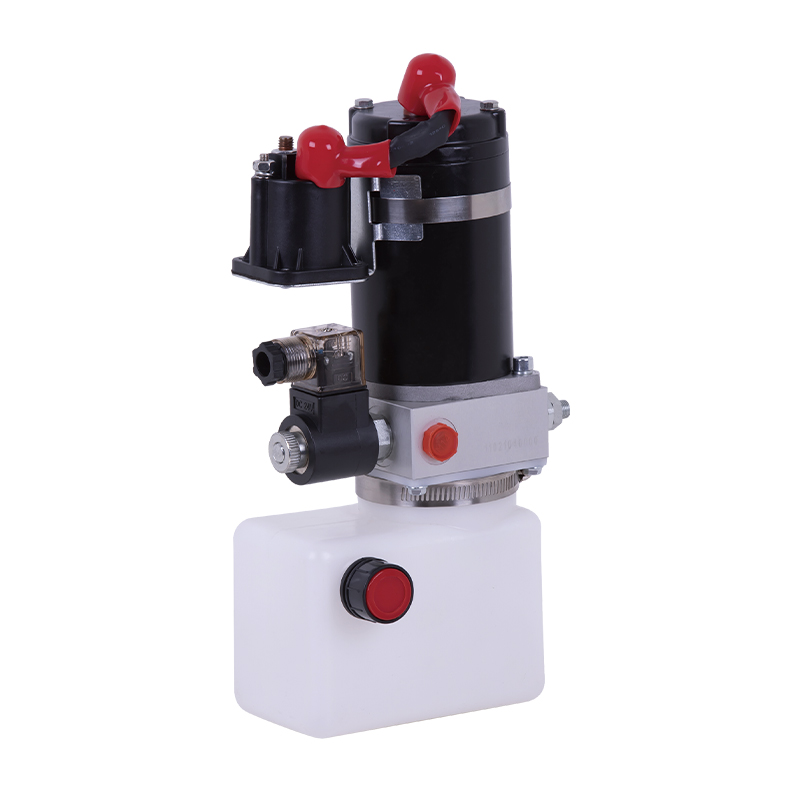
This hydraulic power unit is specially designed for all electric pallet truck.It consists of high voltage gear pump,permanent magnet DC motor and cent...
See Details
This hydraulic power unit of full electric stacker is specially designed for full electric stacker. It is integrated by a high-pressure gear pump, a D...
See Details
This hydraulic pump station is composed of a series of side inlet and side outlet gear pumps and 4.5 or 5-inch DC motors. It is often used as a hydrau...
See Details
This hydraulic pump station is specially designed for a self-propelled aerial work vehicle. It is composed of 2 series side inlet and side outlet gear...
See Details
This DC bidirectional pump power unit adopts an integrated design of multiple components such as a bidirectional gear pump, a permanent magnet DC moto...
See Details
The hydraulic power unit is specially designed for the integrated shallow buried hydraulic lifting column, It integrates a bidirectional gear pump, AC...
See Details
The hydraulic power unit is specially designed for the integrated hydraulic lifting column, which is integrated by a two-way gear pump, an AC oil imme...
See Details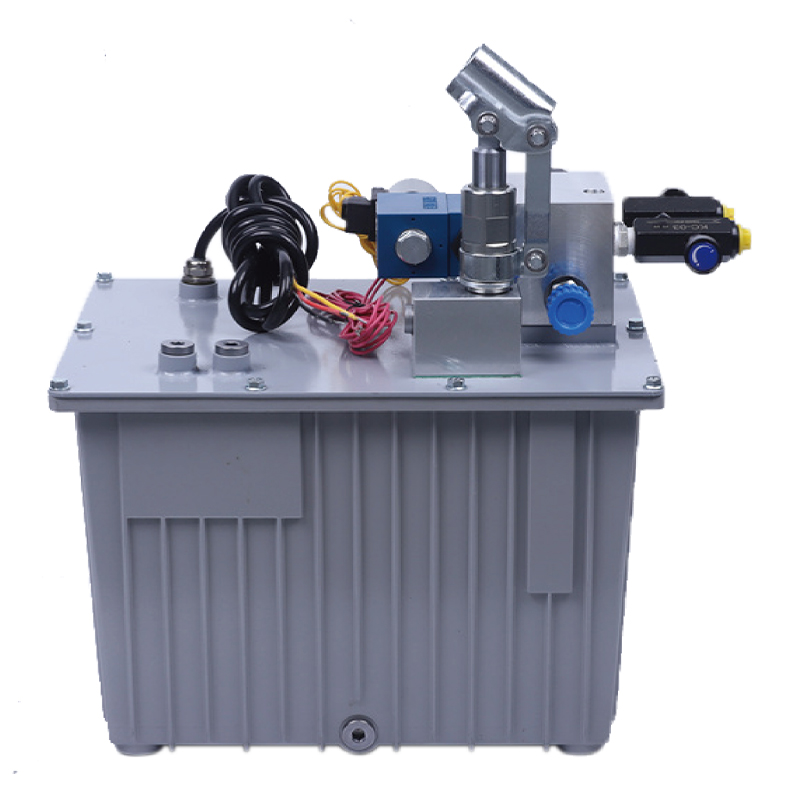
This hydraulic power unit is specially designed for an anti-terrorism hydraulic roadblock machine. It is integrated by a high-pressure gear pump, an A...
See Details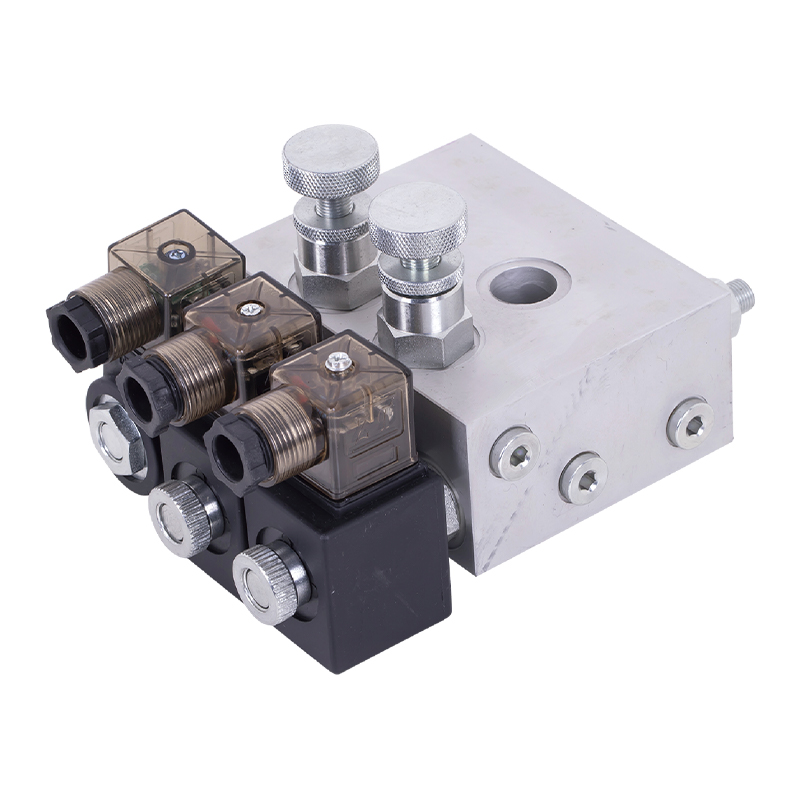
The tailgate hydraulic valve group is the core control component of the truck tailgate hydraulic system, which is designed to provide precise control ...
See Details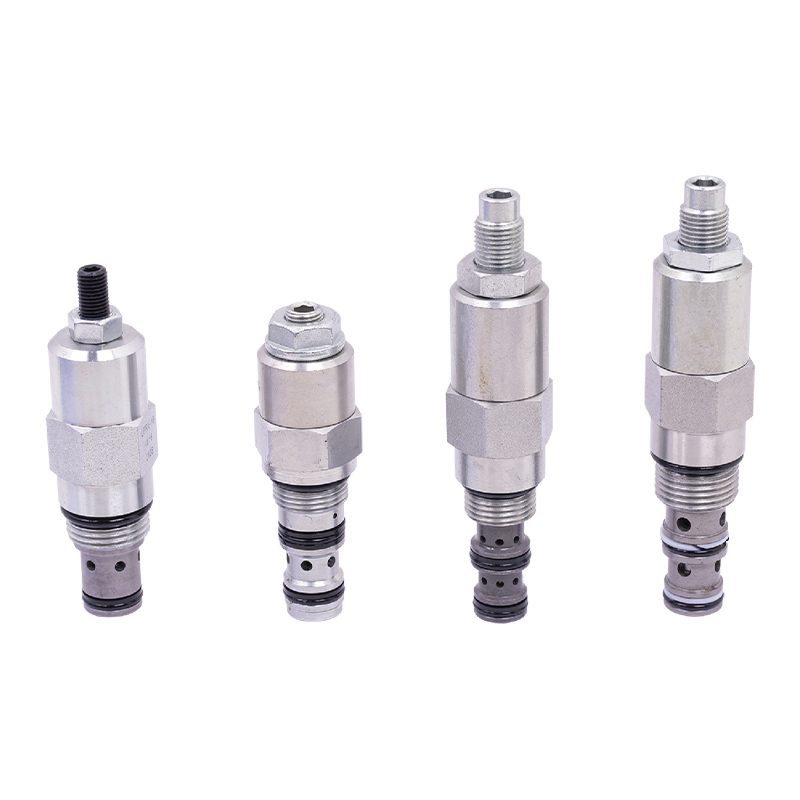
The regulating valve is a key device used in industrial control systems to adjust parameters such as fluid flow, pressure, and temperature. It can acc...
See Details
No. 12 Tongji Road, Simen Town, Yuyao City

+86-0574-62130352
+86-18905846028

+86-0574-62130353

Copyright© Ningbo Panic Hydraulic Technology Co., Ltd. All Rights Reserved. China Hydraulic Power Units Manufacturers

