


 English
 中文简体
中文简体 русский
Mini Pallet Truck Hydraulic Power Unit
Cat:DC series hydraulic power unit
This hydraulic power unit is specially designed for all electric pallet truck.It consists of high voltage gear pump,permanent magnet DC motor and cent...
See DetailsContent
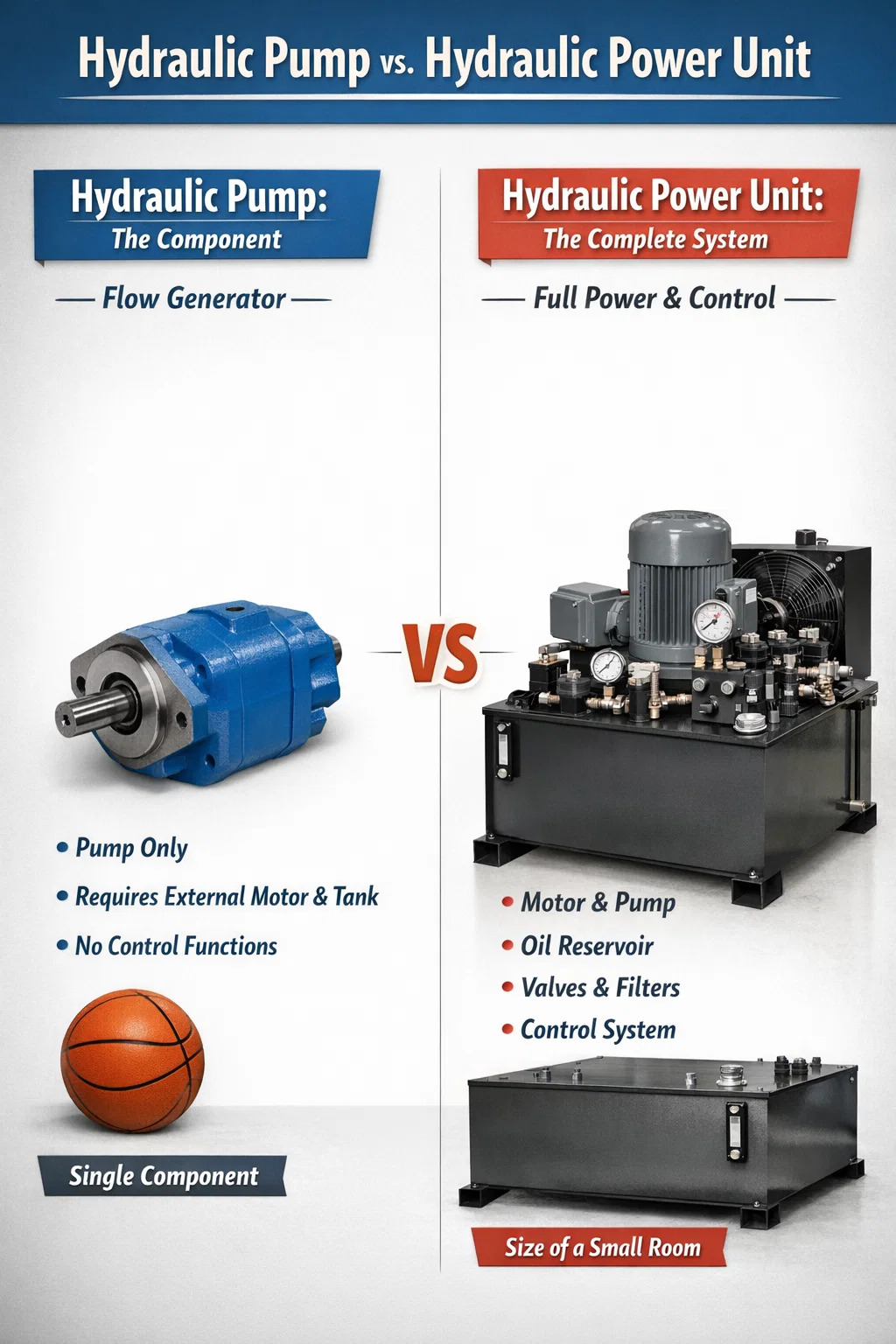
The fundamental difference between a hydraulic pump and a hydraulic power unit (HPU) is their scope and functional autonomy. A hydraulic pump is a single mechanical component designed to convert mechanical energy into hydraulic energy (flow). In contrast, a hydraulic power unit is a fully integrated system that includes a motor, a reservoir, a pump, and control valves. While the pump is the "heart" that moves the fluid, the hydraulic power unit is the entire "body" that houses, powers, cools, and regulates that fluid.
In short, you cannot run a hydraulic tool with just a pump; you need a hydraulic power unit to provide the oil storage, filtration, and pressure regulation required for the pump to operate safely and effectively within a circuit.
A hydraulic pump is an isolated device that creates flow. It does not create pressure; rather, it creates flow, and pressure is generated only when that flow meets resistance in the system. To work, a pump must be coupled to a prime mover, such as an electric motor or a combustion engine.
Pumps are generally categorized by how they move fluid:
A hydraulic power unit is an assembly designed to apply the force of fluid to a task. It is a stand-alone machine that only needs to be connected to an actuator (like a cylinder or motor) and a power source to function. Think of the hydraulic power unit as a "portable engine room" for fluid power.
The following table outlines how these two entities differ across various operational parameters:
| Feature | Hydraulic Pump | Hydraulic Power Unit |
|---|---|---|
| Primary Function | Fluid Flow Creation | Complete Power Supply & Control |
| Autonomy | Requires external motor/tank | Self-contained / Stand-alone |
| Components | Housing, Gears/Pistons, Shaft | Pump, Motor, Tank, Valves, Filters |
| Control Capability | None (unregulated flow) | Full (pressure/direction/speed) |
Choosing between the two depends on whether you are repairing an existing machine or building a new one from scratch.
You should buy a hydraulic pump if:
You should invest in a hydraulic power unit if:
It is important to realize that the hydraulic power unit performance is limited by the quality of the pump within it. For example, if an HPU is fitted with a low-grade gear pump, it may struggle with heat and noise in a high-cycle environment. Conversely, a top-tier piston pump installed in a hydraulic power unit with a tank that is too small will cause the oil to overheat, leading to pump cavitation and eventual failure.
For instance, in a large-scale manufacturing press, the hydraulic power unit might occupy 50 square feet of floor space and contain 500 gallons of oil, while the actual hydraulic pump is only the size of a basketball. This visual contrast perfectly illustrates the difference between the component (pump) and the system (HPU).
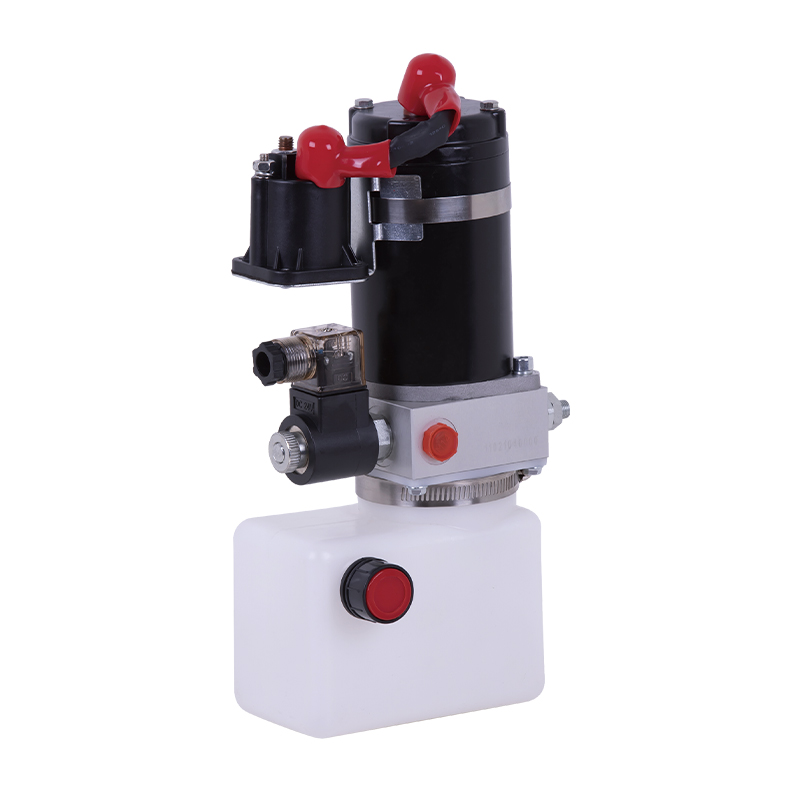
This hydraulic power unit is specially designed for all electric pallet truck.It consists of high voltage gear pump,permanent magnet DC motor and cent...
See Details
This DC bidirectional pump power unit adopts an integrated design of multiple components such as a bidirectional gear pump, a permanent magnet DC moto...
See Details
Designed for hydraulic lifting platforms, this lifting platform power unit integrates a high-pressure gear pump, AC motor, center valve block, cartrid...
See Details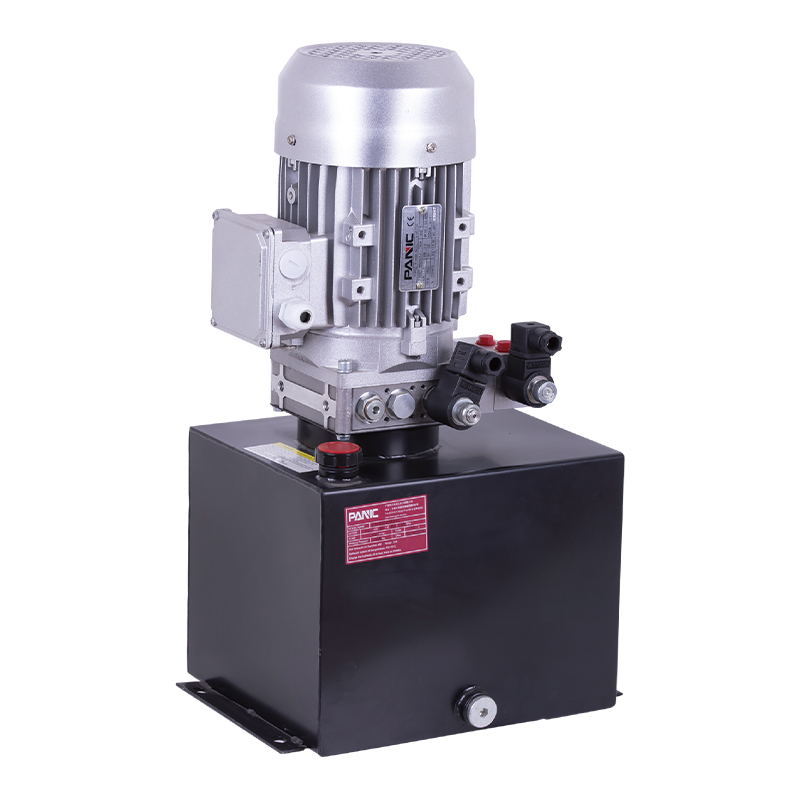
This hydraulic power unit is designed for scissor lifts and integrates a high-pressure gear pump, AC motor, center valve block, cartridge valve and oi...
See Details
This hydraulic power unit is designed specifically for CNC machine tool cutting cylinders and can provide precise power and control, consisting of a h...
See Details
This hydraulic power unit is designed to meet extreme security needs, especially for critical occasions where large vehicles such as heavy trucks and ...
See Details
This oil immersed double actina power unit is designed for efficient, compact and low noise applications, integrating high pressure gear pump, AC oil ...
See Details
The V3068 hydraulic valve group is an electric check valve group designed for hydraulic systems. It is mainly used to prevent the backflow of media, e...
See Details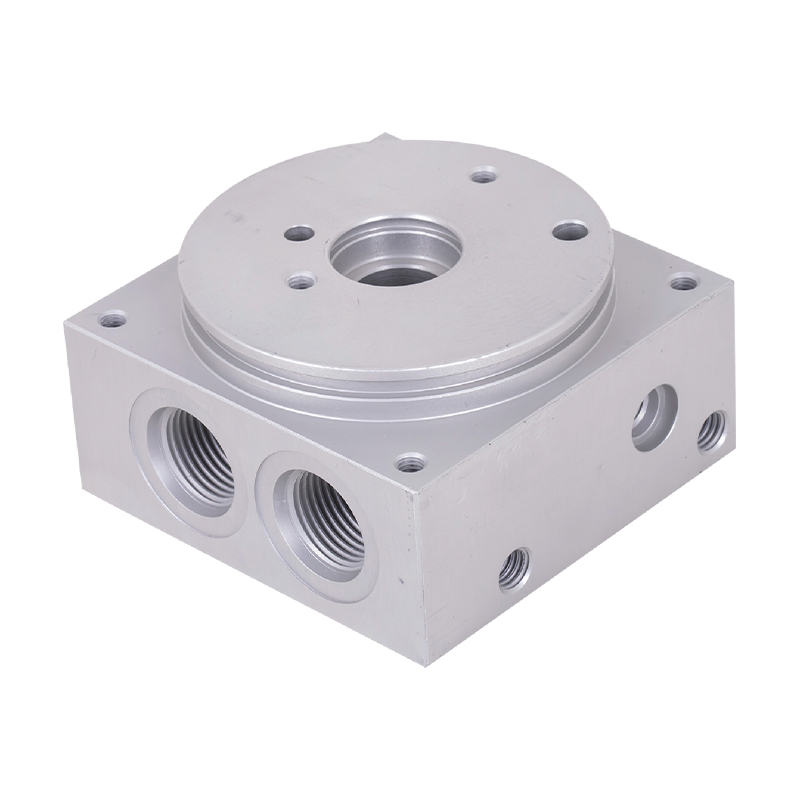
The power unit manifold block for lifting platform is the core integrated component of the hydraulic system, and plays a key role in coordinating vari...
See Details
Proportional valve is a key component for realizing continuous and precise control of flow or pressure in hydraulic system. It can adjust output param...
See Details
No. 12 Tongji Road, Simen Town, Yuyao City

+86-0574-62130352
+86-18905846028

+86-0574-62130353

Copyright© Ningbo Panic Hydraulic Technology Co., Ltd. All Rights Reserved. China Hydraulic Power Units Manufacturers

