


 English
 中文简体
中文简体 русский
Mini Pallet Truck Hydraulic Power Unit
Cat:DC series hydraulic power unit
This hydraulic power unit is specially designed for all electric pallet truck.It consists of high voltage gear pump,permanent magnet DC motor and cent...
See DetailsContent
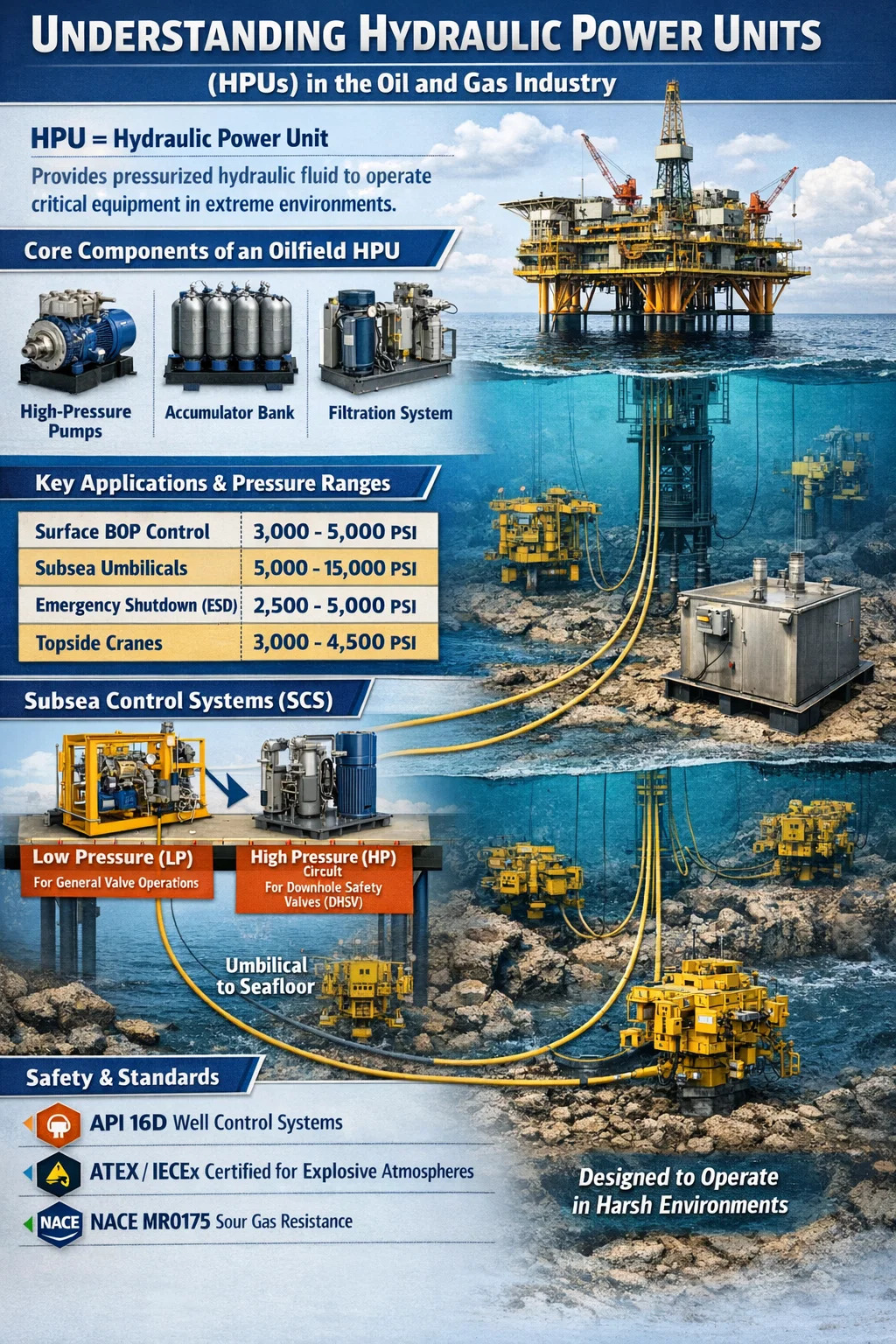
In the oil and gas industry, HPU stands for Hydraulic Power Unit. It is a self-contained system designed to generate, store, and deliver pressurized hydraulic fluid to drive various critical mechanical operations. Unlike standard industrial units, an oil and gas hydraulic power unit is engineered to withstand extreme environments, such as offshore platforms or deep-sea subsea templates, where reliable power is required to operate safety valves, blowout preventers, and umbilical control lines.
The primary purpose of an HPU in this field is to act as the "heart" of control systems, ensuring that even if primary electrical power fails, the stored energy in hydraulic accumulators can execute emergency shutdown procedures to protect the environment and personnel.
An oil and gas hydraulic power unit consists of several heavy-duty components specifically selected for durability and precision. Because failures in the oilfield can be catastrophic, these units often feature high levels of redundancy.
The system utilizes high-pressure pumps (often piston or diaphragm types) driven by electric motors or air compressors. A standout feature in this sector is the Accumulator Bank. These are pressure vessels that store hydraulic energy using compressed nitrogen. In a typical offshore setup, a hydraulic power unit might maintain pressures between 3,000 PSI and 10,000 PSI, allowing for immediate actuation of valves even during a total pump failure.
The hydraulic fluid used in oil and gas HPUs is often specialized, such as water-glycol mixes for subsea applications to prevent environmental damage in case of leaks. The reservoir is typically made of 316L stainless steel to resist salt-spray corrosion, and filtration systems are often rated at 3 to 10 microns to protect sensitive solenoid valves.
The utility of a hydraulic power unit spans the entire lifecycle of a well, from drilling to production and eventual decommissioning.
| Application | Function of the HPU | Typical Pressure Range |
|---|---|---|
| Surface BOP Control | Opening/Closing Blowout Preventer rams | 3,000 - 5,000 PSI |
| Subsea Umbilicals | Powering subsea trees and manifolds | 5,000 - 15,000 PSI |
| Emergency Shutdown (ESD) | Failsafe closing of production valves | 2,500 - 5,000 PSI |
| Topside Cranes | Lifting heavy equipment on platforms | 3,000 - 4,500 PSI |
Perhaps the most critical role of a hydraulic power unit is found in subsea production. In this context, the HPU is located on the Topside (the platform or vessel) and sends fluid through a multi-mile long "umbilical" cable to the ocean floor.
These units are divided into Low Pressure (LP) and High Pressure (HP) circuits. The LP circuit typically handles general valve operations, while the HP circuit is reserved for deep-set Downhole Safety Valves (DHSV). The DHSV requires constant hydraulic pressure to stay open; if the hydraulic power unit loses pressure, a powerful spring in the valve automatically snaps it shut, sealing the wellbore and preventing oil spills.
In the oilfield, an HPU isn't just a pump on a tank. It must comply with stringent international standards to ensure safety and interoperability.
Furthermore, these units are often mounted in DNV 2.7-1 certified offshore containers or "crash frames," allowing them to be safely lifted by cranes from supply boats to rigs in heavy seas without damaging the internal hydraulic components.
Reliability is measured through rigorous testing. A typical hydraulic power unit in a critical ESD circuit undergoes a "Partial Stroke Test" (PST) to ensure valves are responsive. Maintenance involves regular analysis of hydraulic fluid to check for "NAS Class" cleanliness levels. If the oil cleanliness exceeds NAS 6 or ISO 17/15/12, the risk of valve sticking increases, which is unacceptable in high-stakes oil and gas operations.
By providing a steady, reliable source of force, the hydraulic power unit remains the backbone of safety and automation in modern energy extraction.
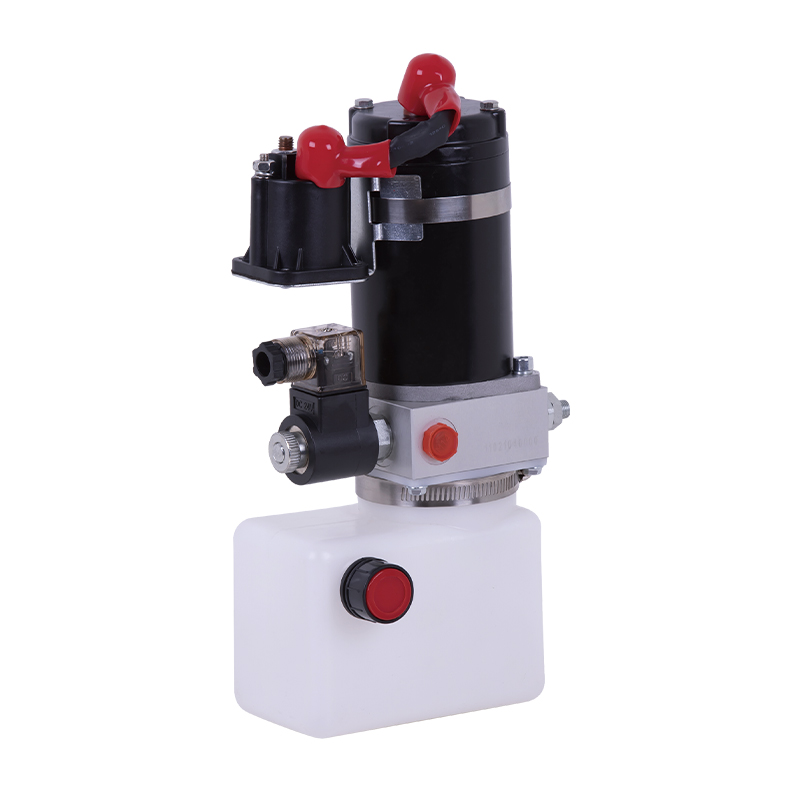
This hydraulic power unit is specially designed for all electric pallet truck.It consists of high voltage gear pump,permanent magnet DC motor and cent...
See Details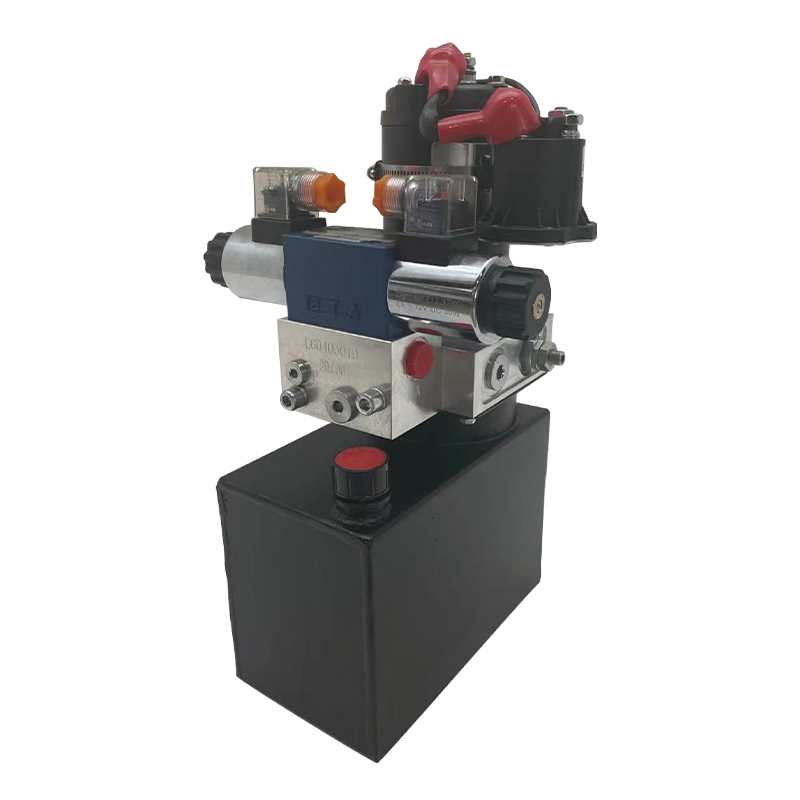
This portable stacker hydraulic power unit is designed for portable stackers and integrates a high-pressure gear pump, a permanent magnet DC motor, a ...
See Details
This DC micro power unit combines high-pressure gear pumps, DC motors, center valve blocks, cartridge valves and oil tanks. It is compact and powerful...
See Details
This hydraulic power unit is specially designed for the clamping cylinder of the machine, too. It is integrated by a high-pressure gear pump.AC motor,...
See Details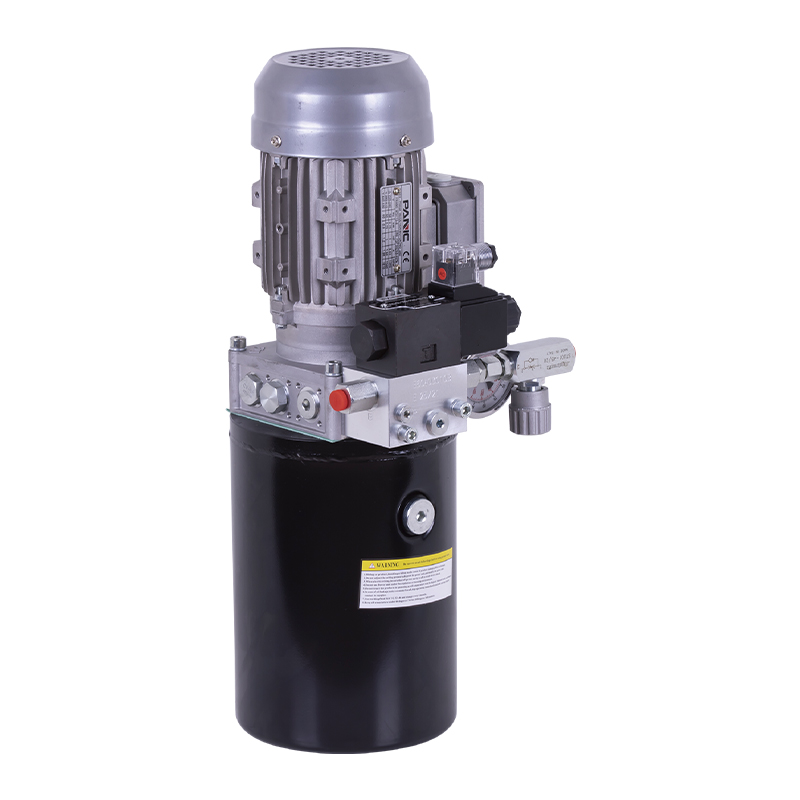
This hydraulic power unit is specially designed for the rotary feed of the pipe cutting machine. It is integrated by a high-pressure gear pump, an AC ...
See Details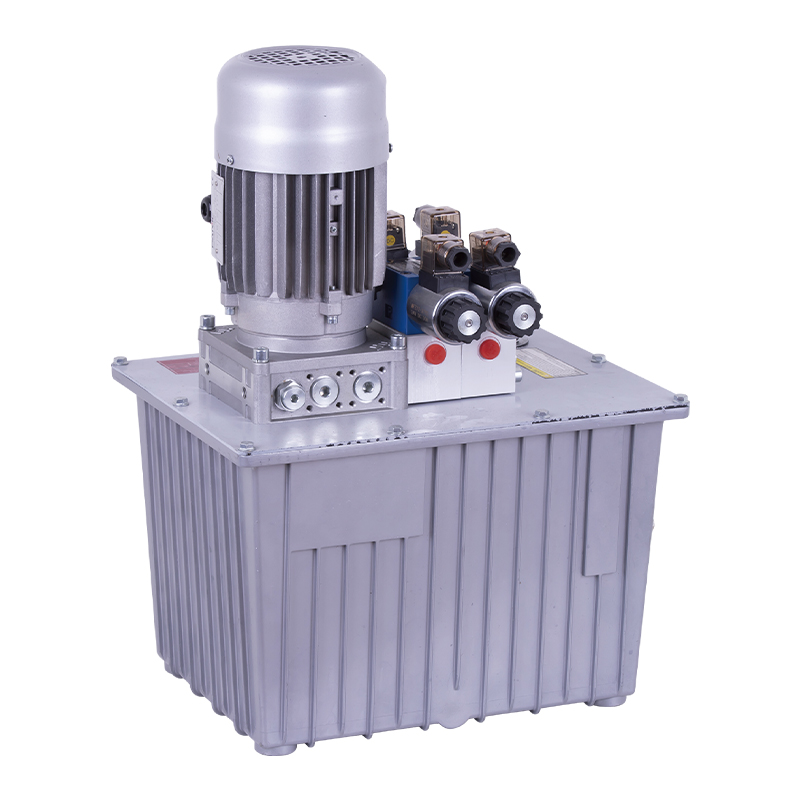
This hydraulic power unit is specially designed for a double-acting oil cylinder system, which is integrated by a high-pressure gear pump, an AC motor...
See Details
This hydraulic power unit is specially designed for a split hydraulic lifting column, It integrates a bidirectional gear pump, AC oil-immersed motor, ...
See Details
This hydraulic power unit is specially designed for the three-dimensional parking garage and is integrated by a high-pressure vanepump, an AC oil imme...
See Details
ET series hydraulic lifting platform valve group is specially designed for various hydraulic lifting platforms. It can accurately control the lifting ...
See Details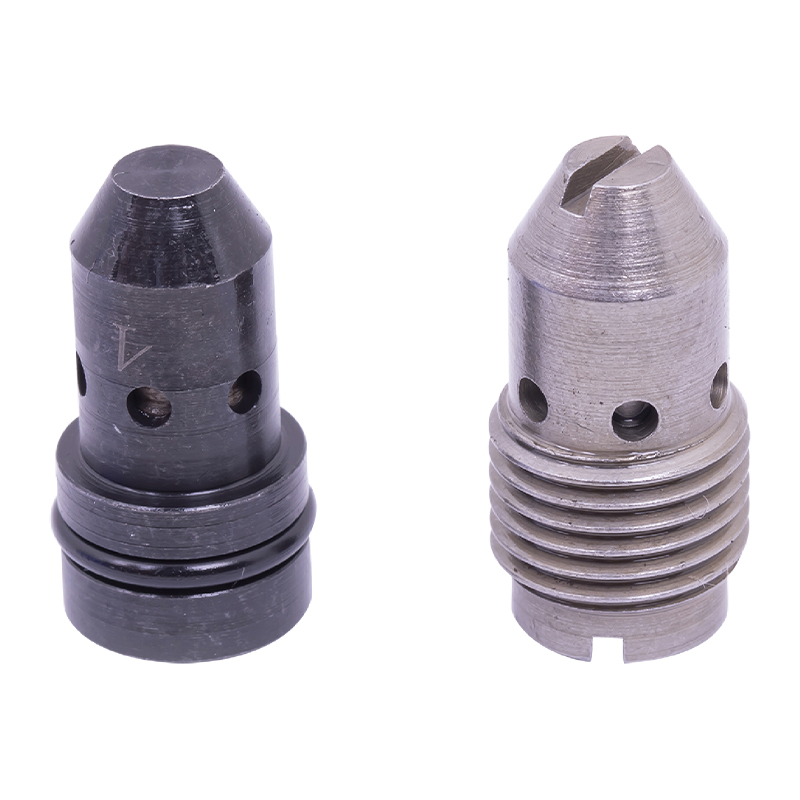
The pressure compensation valve is a key component in the hydraulic system to maintain flow stability. It can automatically adjust the valve opening w...
See Details
No. 12 Tongji Road, Simen Town, Yuyao City

+86-0574-62130352
+86-18905846028

+86-0574-62130353

Copyright© Ningbo Panic Hydraulic Technology Co., Ltd. All Rights Reserved. China Hydraulic Power Units Manufacturers

