


 English
 中文简体
中文简体 русский
Power unit of forward moving stacker
Cat:DC series hydraulic power unit
This hydraulic power unit is specially designed for the forward stacker. It is integrated by a high-pressure gear pump, a DC Carbon brush or brushless...
See DetailsContent
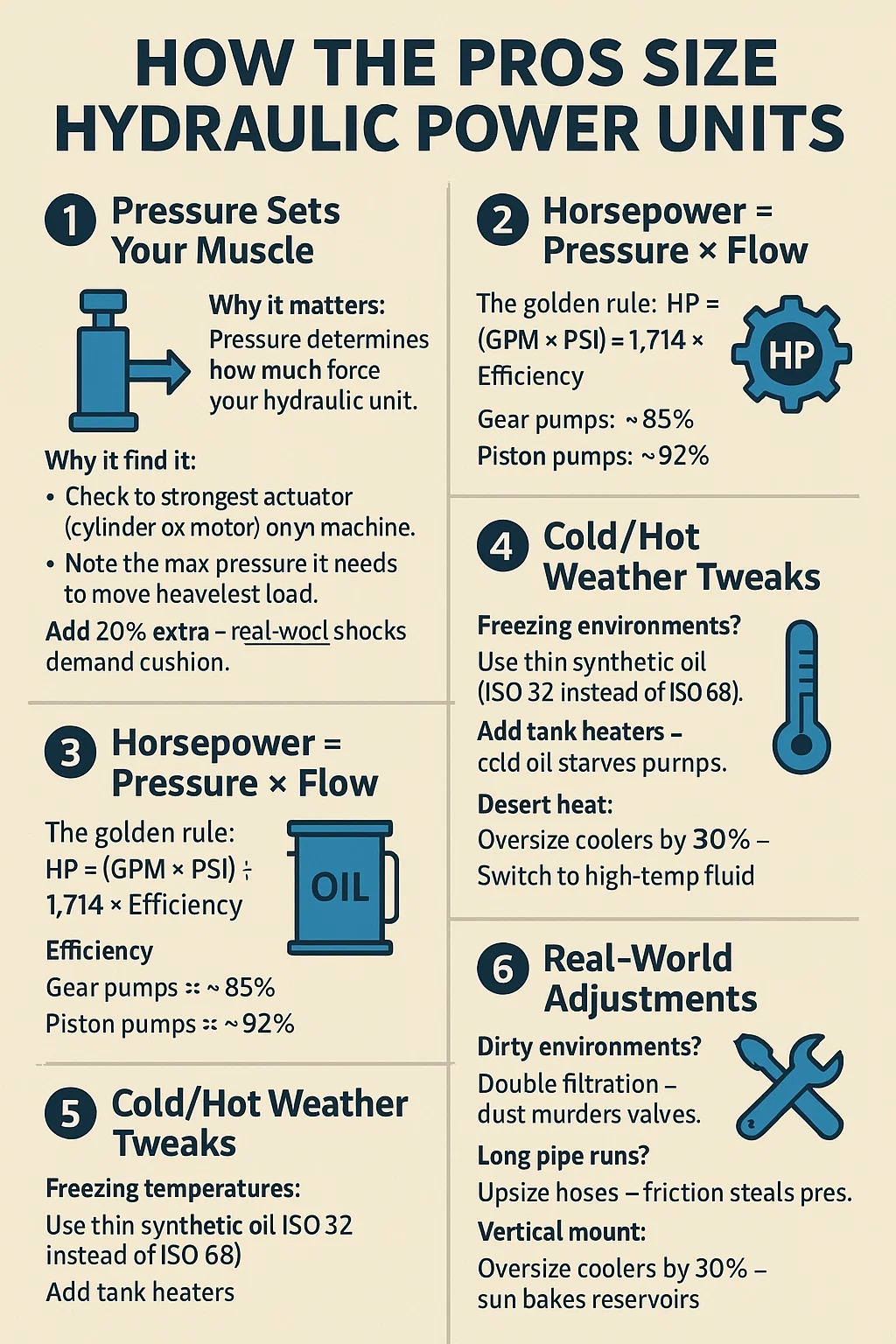
Here's how seasoned pros size hydraulic power units:
Why it matters: Pressure determines how much force your hydraulic power unit can push.
How to find it:
Check the strongest actuator (cylinder or motor) on your machine.
Note the max pressure it needs to move the heaviest load.
Add 20% extra – real-world shocks demand cushion.
Example: Your log splitter cylinder needs 2,000 PSI? Aim for 2,400 PSI-capable components.
Why it matters: Flow (GPM or LPM) decides how fast actuators move.
Calculate it:
For cylinders: (Cylinder bore area × Stroke length) ÷ Time to complete stroke
For motors: Motor size × RPM needed
Add 'em up: If multiple actuators run together, sum their flows.
Tip: Need speed? Prioritize flow. Need brute force? Prioritize pressure.
The golden rule: HP = (GPM × PSI) ÷ 1,714 × Efficiency
Efficiency realities:
Gear pumps: ~85%
Piston pumps: ~92%
Always oversize: Buy 20% more HP than calculated – pumps hate being maxed out.
Light use (occasional lifts): Tank holds 3× pump flow rate.
Heavy cycling (continuous operation): 5× flow rate minimum.
Hot climates? Add 20% volume – heat needs space to dissipate.
Freezing temps:
Use thin synthetic oil (ISO 32 instead of ISO 68).
Add tank heaters – cold oil starves pumps.
Desert heat:
Oversize coolers by 30% – sun bakes reservoirs.
Switch to high-temp fluid – standard oil cooks into sludge.
Dirty environments: Double filtration – dust murders valves.
Long pipe runs: Upsize hoses – friction steals pressure.
Vertical mount: Ensure pump sits below oil level – gravity feeds better than suction lifts.

This hydraulic power unit is specially designed for the forward stacker. It is integrated by a high-pressure gear pump, a DC Carbon brush or brushless...
See Details
This hydraulic power unit is specially designed for dump trailers. It is integrated by a high-pressure gear pump, DC carbon brush machine, central val...
See Details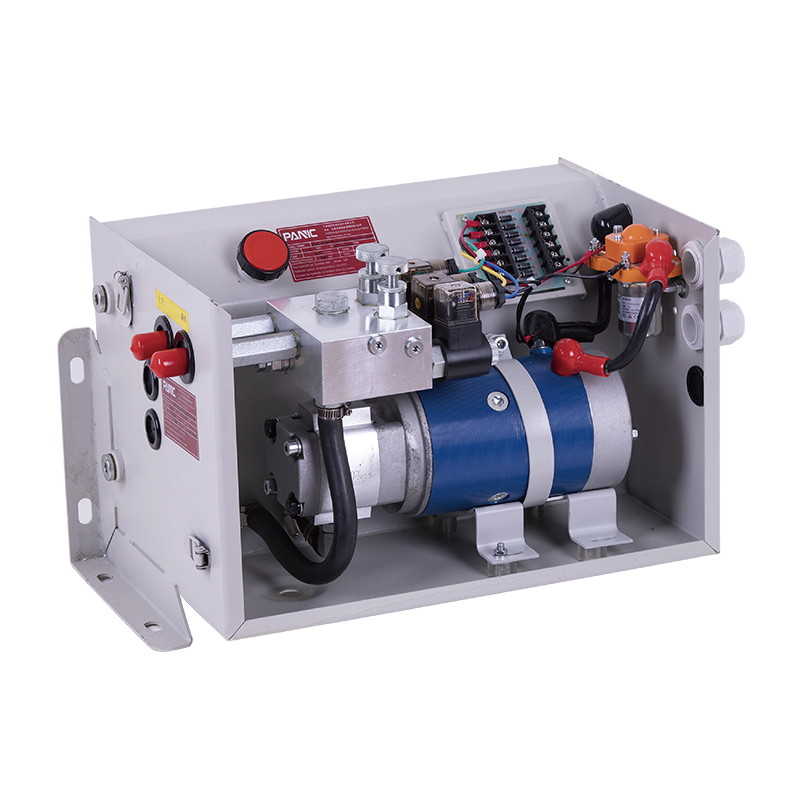
This hydraulic power unit is specially designed for the hydraulic tail plate. The vehicle tail plate hydraulic power unit is a power unit used for the...
See Details
This hydraulic pump station is composed of a series of side inlet and side outlet gear pumps and 4.5 or 5-inch DC motors. It is often used as a hydrau...
See Details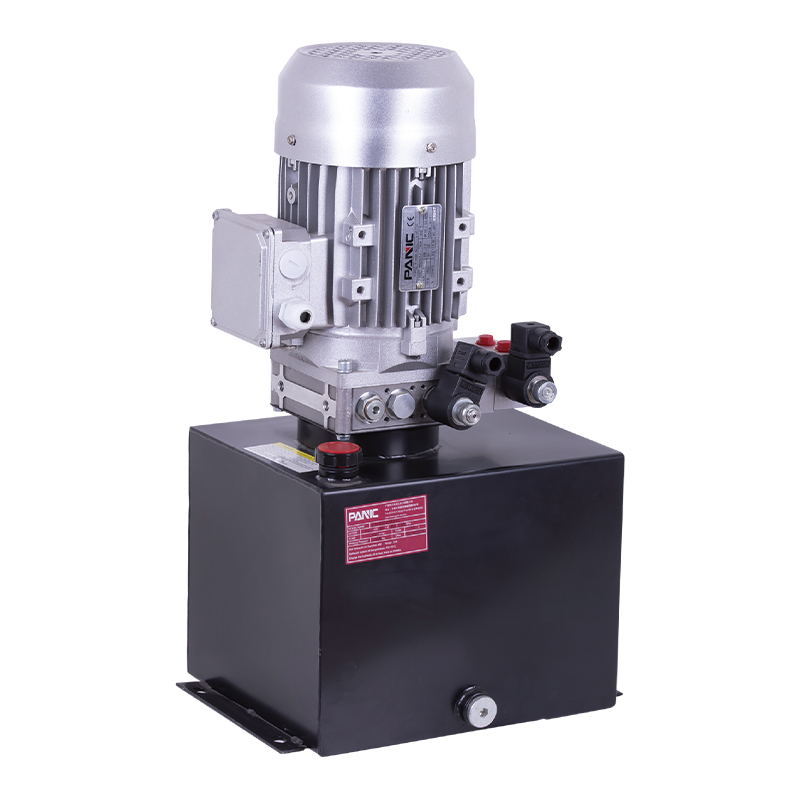
This hydraulic power unit is designed for scissor lifts and integrates a high-pressure gear pump, AC motor, center valve block, cartridge valve and oi...
See Details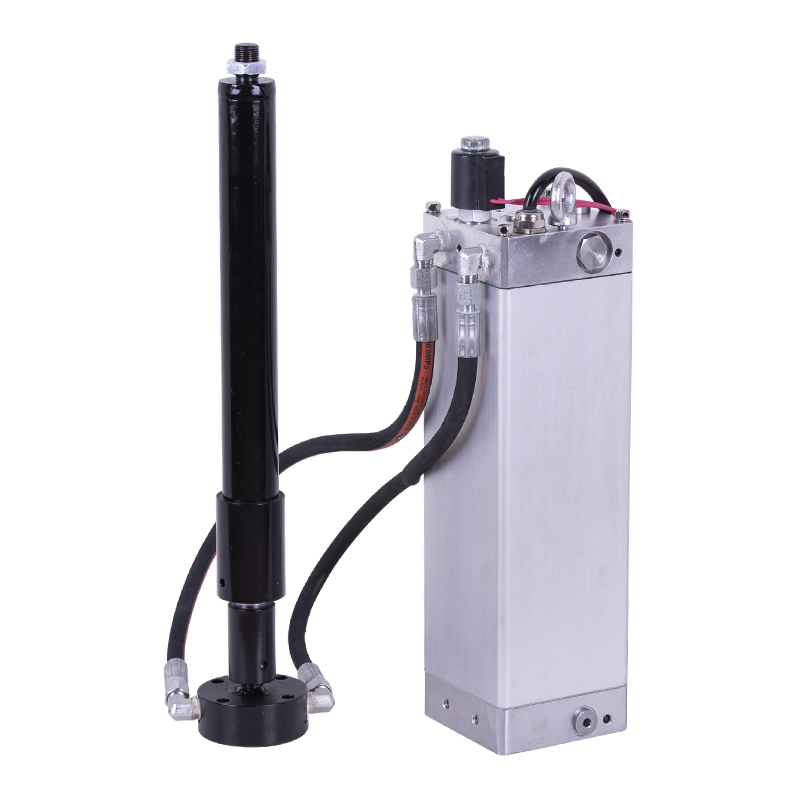
This hydraulic power unit is tailor-made for split shallow buried hydraulic lifting columns. It integrates a bidirectional gear pump, AC oil-immersed ...
See Details
This hydraulic power unit is specially designed for hydraulic cargo elevators and is integrated with a high-pressure vane pump, AC Oil immersion motor...
See Details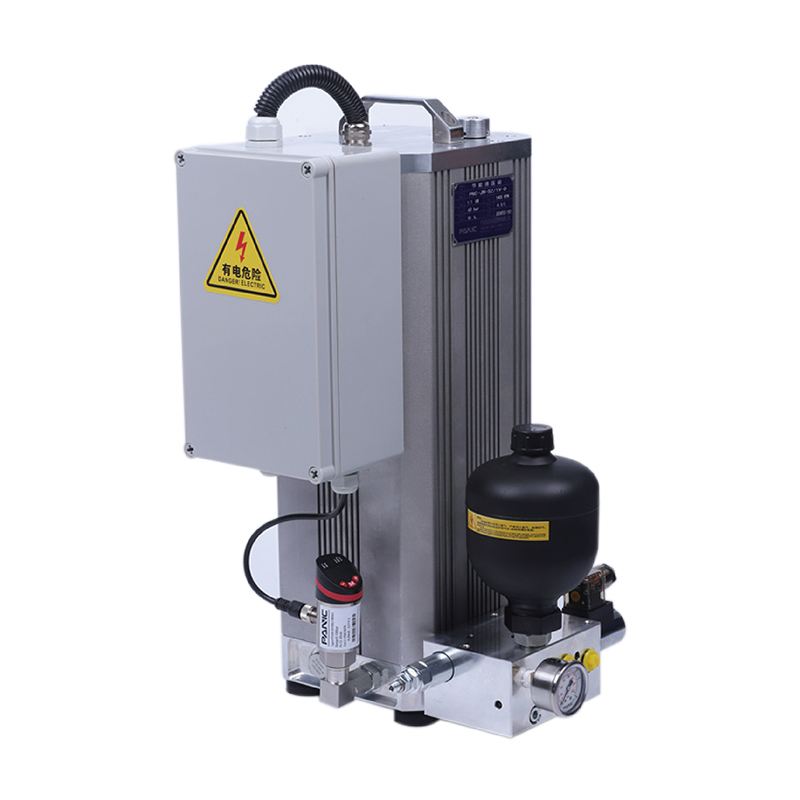
The energy-saving hydraulic station utilizes the working principle of an accumulator, combined with pressure sensors and low-leakage hydraulic compone...
See Details
The V3068 hydraulic valve group is an electric check valve group designed for hydraulic systems. It is mainly used to prevent the backflow of media, e...
See Details
ET series hydraulic lifting platform valve group is specially designed for various hydraulic lifting platforms. It can accurately control the lifting ...
See Details
No. 12 Tongji Road, Simen Town, Yuyao City

+86-0574-62130352
+86-18905846028

+86-0574-62130353

Copyright© Ningbo Panic Hydraulic Technology Co., Ltd. All Rights Reserved. China Hydraulic Power Units Manufacturers

