


 English
 中文简体
中文简体 русский
Hydraulic power unit of full electric stacker
Cat:DC series hydraulic power unit
This hydraulic power unit of full electric stacker is specially designed for full electric stacker. It is integrated by a high-pressure gear pump, a D...
See DetailsContent
Choosing the right hydraulic power unit is like selecting a central air conditioner for your home or an engine for your truck – you need to ensure it has enough power while also considering installation and long-term maintenance.
First, understand what this hydraulic power unit will be used to drive.
Output power: Are you lifting a heavy truck or simply opening a small door? This determines the required pressure.
Speed: Do you want the robotic arm to move as fast as lightning or as steadily as a snail? This determines the pump's flow rate (i.e., the oil delivery speed).
Duration of operation: Does the machine operate occasionally (like an automatic garage door) or continuously 24/7 on an assembly line? Machines performing heavy work require a larger oil tank for heat dissipation.
A hydraulic power unit doesn't rotate on its own; it needs an external power source.
Is electricity readily available? In a factory, a large three-phase motor is usually used, providing powerful and stable operation; for home use or small workshops, a single-phase motor might be the only option.
What if there's no electricity? In outdoor environments, construction sites, or farms, you might need a hydraulic power unit driven by a gasoline or diesel engine.
Different working environments have different requirements for the shape of the hydraulic power unit.
Limited space: For example, when installed in a forklift or small lifting platform, you need a "compact" type, where the oil tank, motor, and pump are all integrated to save space.
High heat dissipation requirements: If there is ample space and the machine performs heavy work, choose a unit with a large oil tank. A larger oil tank allows for faster oil cooling, preventing the machine from overheating and malfunctioning.
The valves on the hydraulic power unit determine how the machine responds to commands.
Manual control: Like old-fashioned excavators, where pulling a lever activates the movement. This is simple and durable, and easy to repair. Electrically controlled operation: You can operate it by pressing a button or touching a screen from your office. This requires the use of solenoid valves, which, although advanced, have certain requirements regarding the electrical circuit environment.
Don't forget the environment in which the machine will operate.
Outdoor or indoor: If you need to work in the harsh winters of the north, your hydraulic power unit may need a heater, otherwise the oil will freeze like sludge.
Clean or dirty: In dusty environments like quarries or flour mills, you must choose the best filters; otherwise, dirt will get into the system and quickly wear out the pump.
Easy to repair: Choose one with commonly available parts. If the filter element gets clogged or the seal leaks, you can buy replacement parts at a nearby hardware store.
Aesthetically pleasing: A hydraulic power unit with neat welds, even paint, and no oil leaks usually indicates good internal workmanship as well.

This hydraulic power unit of full electric stacker is specially designed for full electric stacker. It is integrated by a high-pressure gear pump, a D...
See Details
This DC single acting power unit is designed for mobile hydraulic lifting platforms. It provides an efficient and reliable hydraulic power solution th...
See Details
The hydraulic power unit is specially designed for the integrated shallow buried hydraulic lifting column, It integrates a bidirectional gear pump, AC...
See Details
This hydraulic power unit is specially designed for a split hydraulic lifting column, It integrates a bidirectional gear pump, AC oil-immersed motor, ...
See Details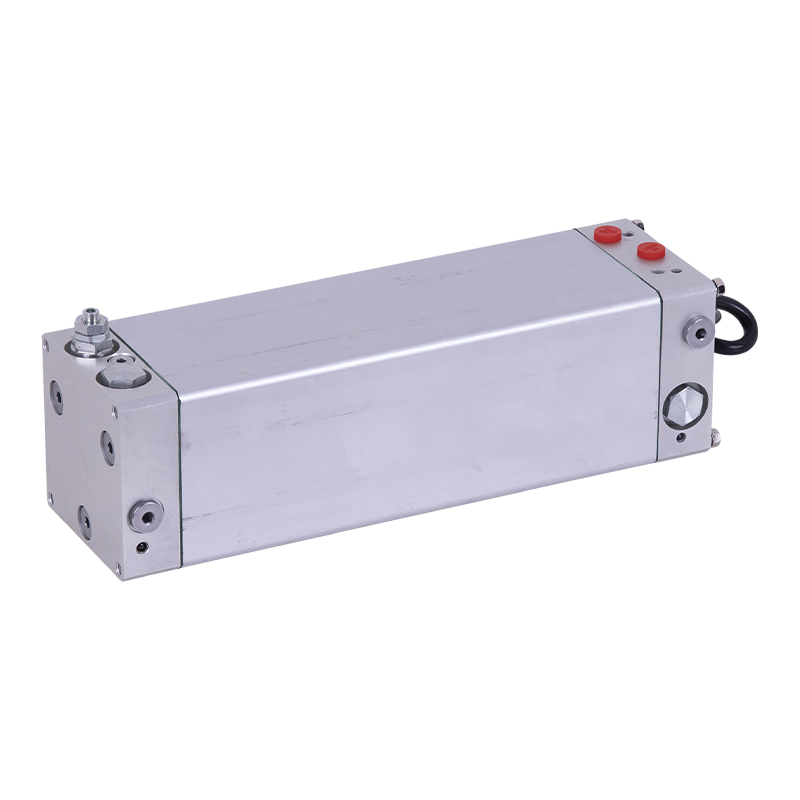
This oil immersed bidirectional pump power unit is designed for various types of mechanical equipment. It integrates a high-pressure bidirectional gea...
See Details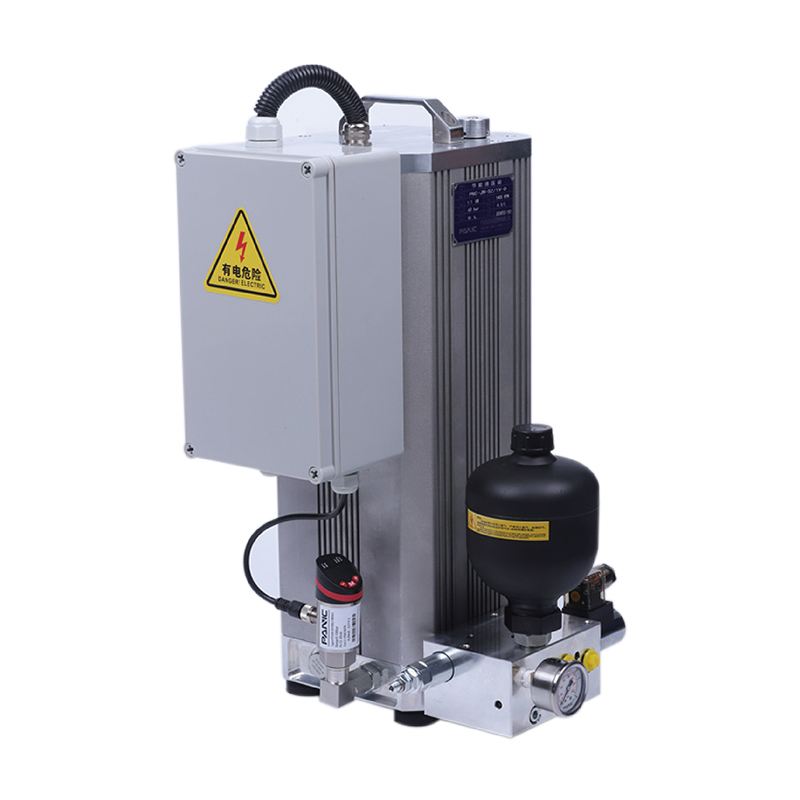
The energy-saving hydraulic station utilizes the working principle of an accumulator, combined with pressure sensors and low-leakage hydraulic compone...
See Details
The V3068 hydraulic valve group is an electric check valve group designed for hydraulic systems. It is mainly used to prevent the backflow of media, e...
See Details
ET series hydraulic lifting platform valve group is specially designed for various hydraulic lifting platforms. It can accurately control the lifting ...
See Details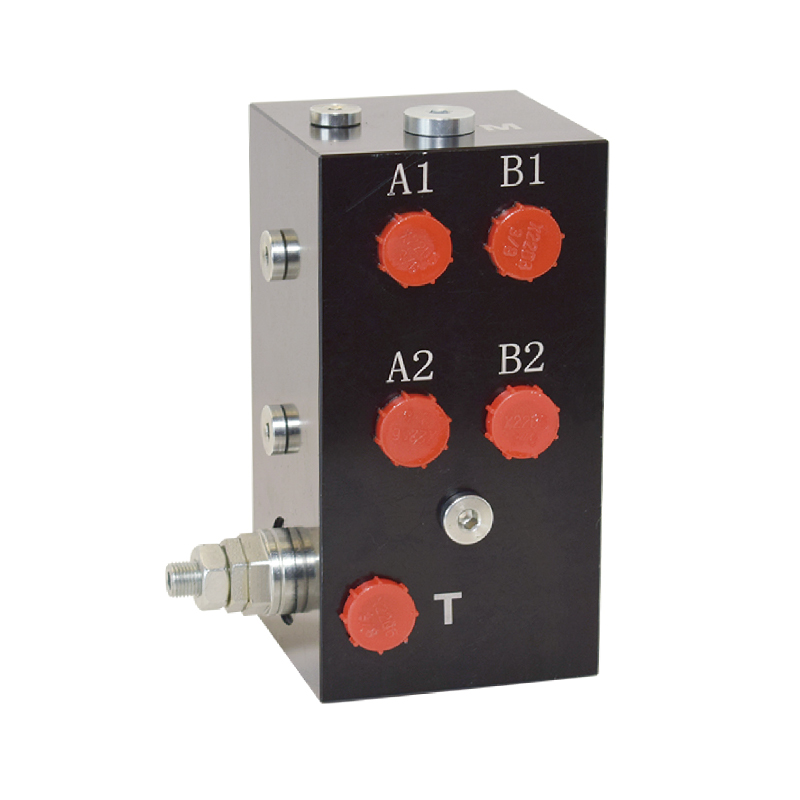
The hydraulic valve block centrally installs various hydraulic valves through the internal precision flow channel, solves the problems of bloated and ...
See Details
The hydraulic solenoid valve is a key component in the hydraulic system that controls the opening and closing or reversing of the hydraulic oil passag...
See Details
No. 12 Tongji Road, Simen Town, Yuyao City

+86-0574-62130352
+86-18905846028

+86-0574-62130353

Copyright© Ningbo Panic Hydraulic Technology Co., Ltd. All Rights Reserved. China Hydraulic Power Units Manufacturers

